

Chefhola Mediterranean Rices Rice Rice
$4.95
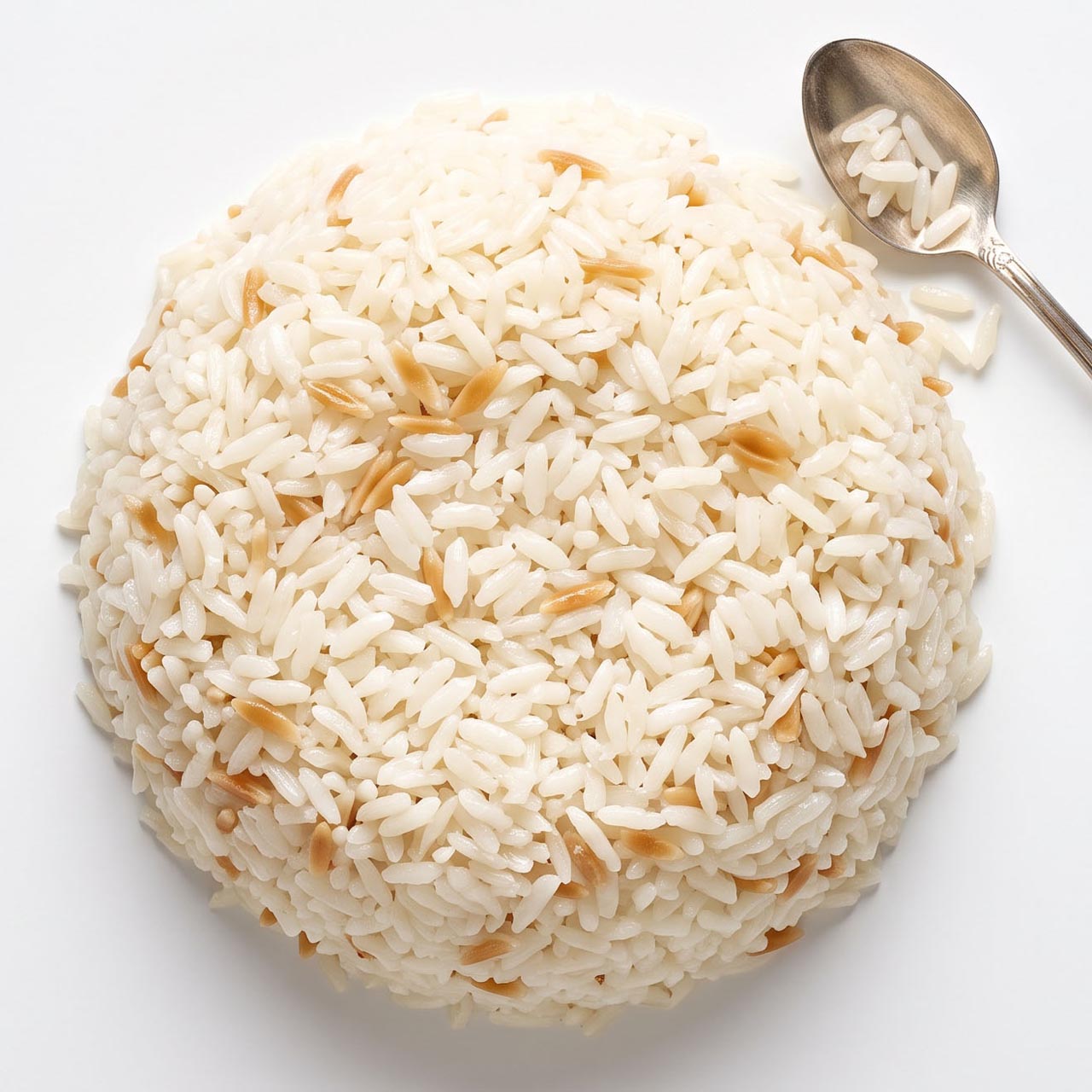
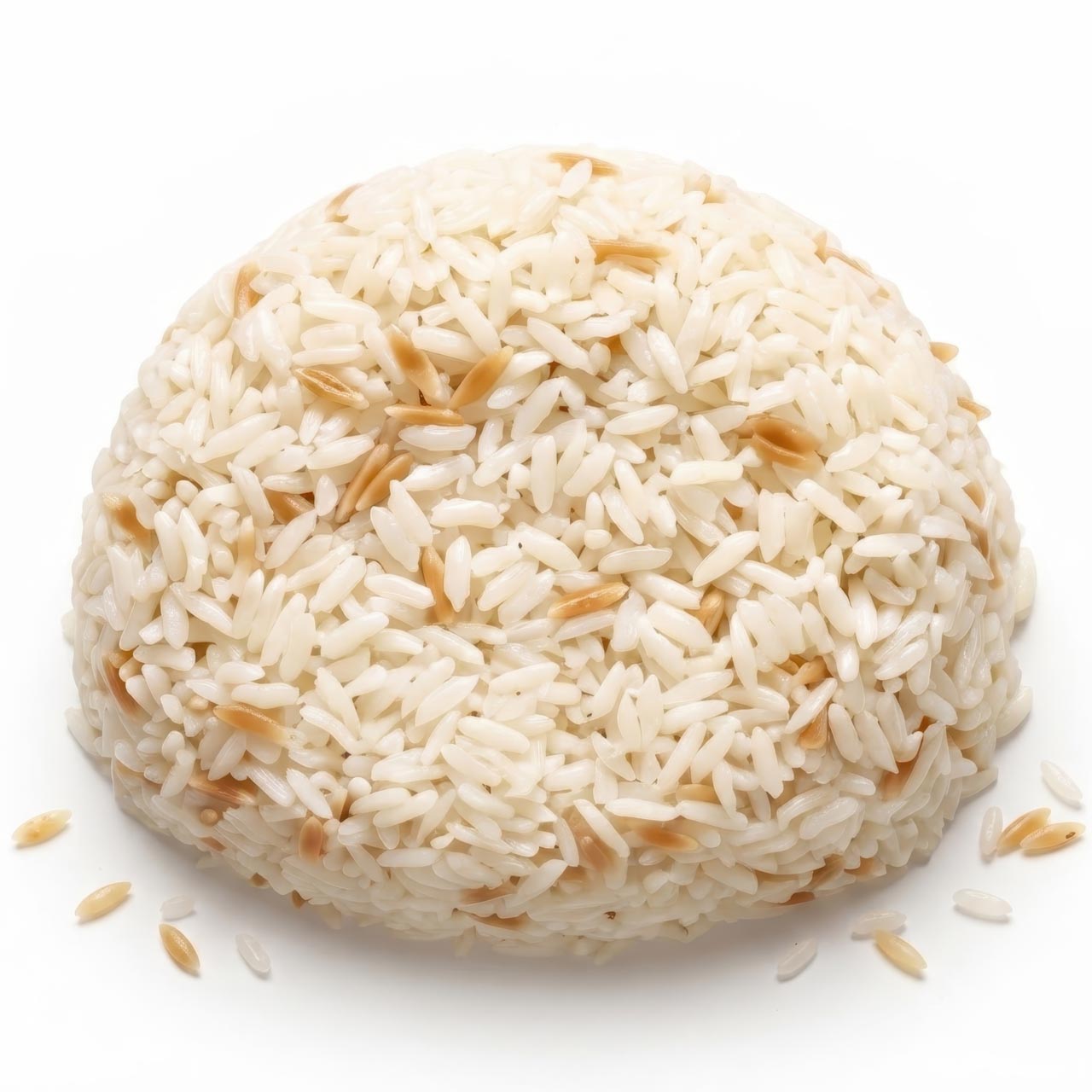
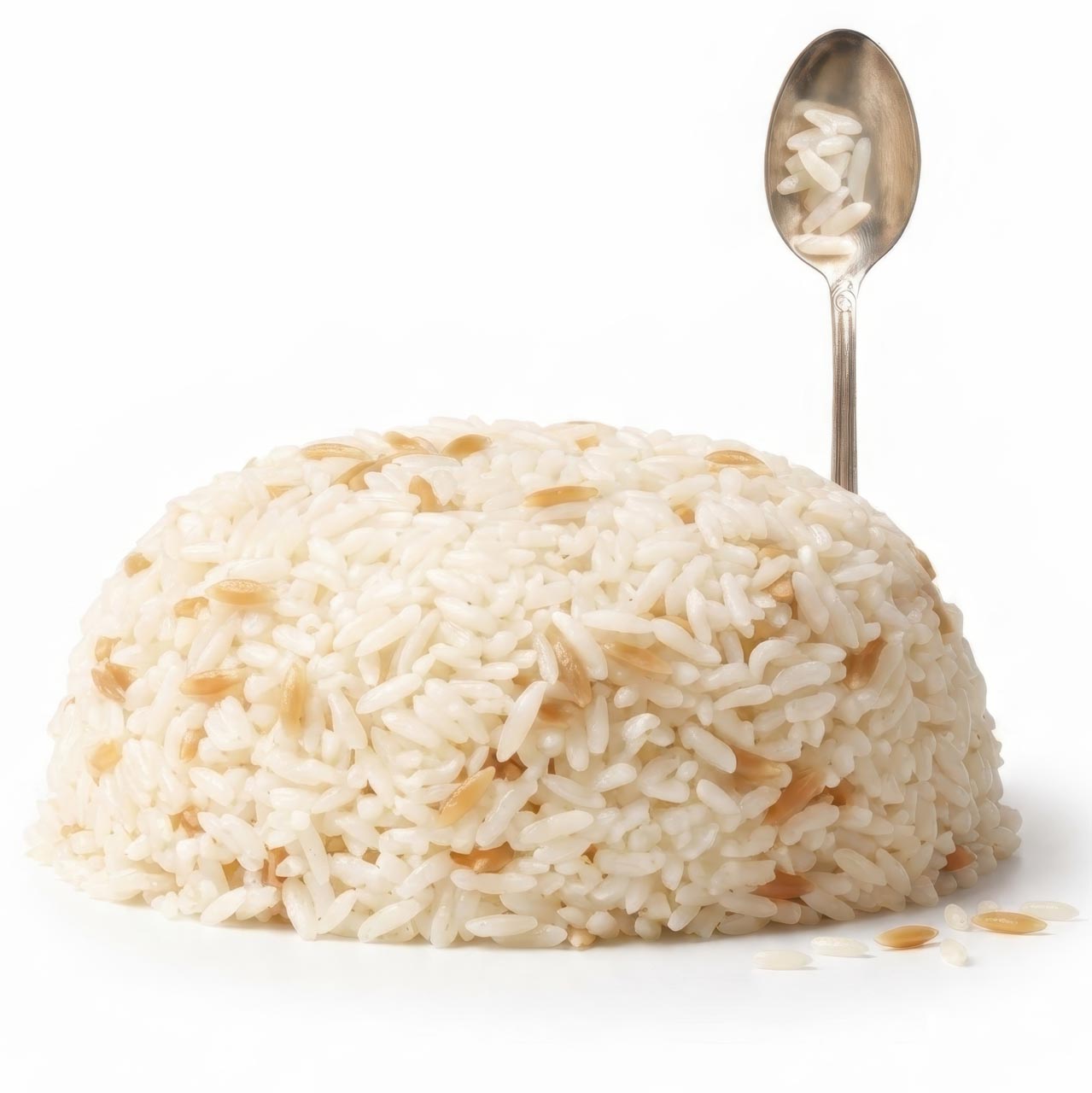
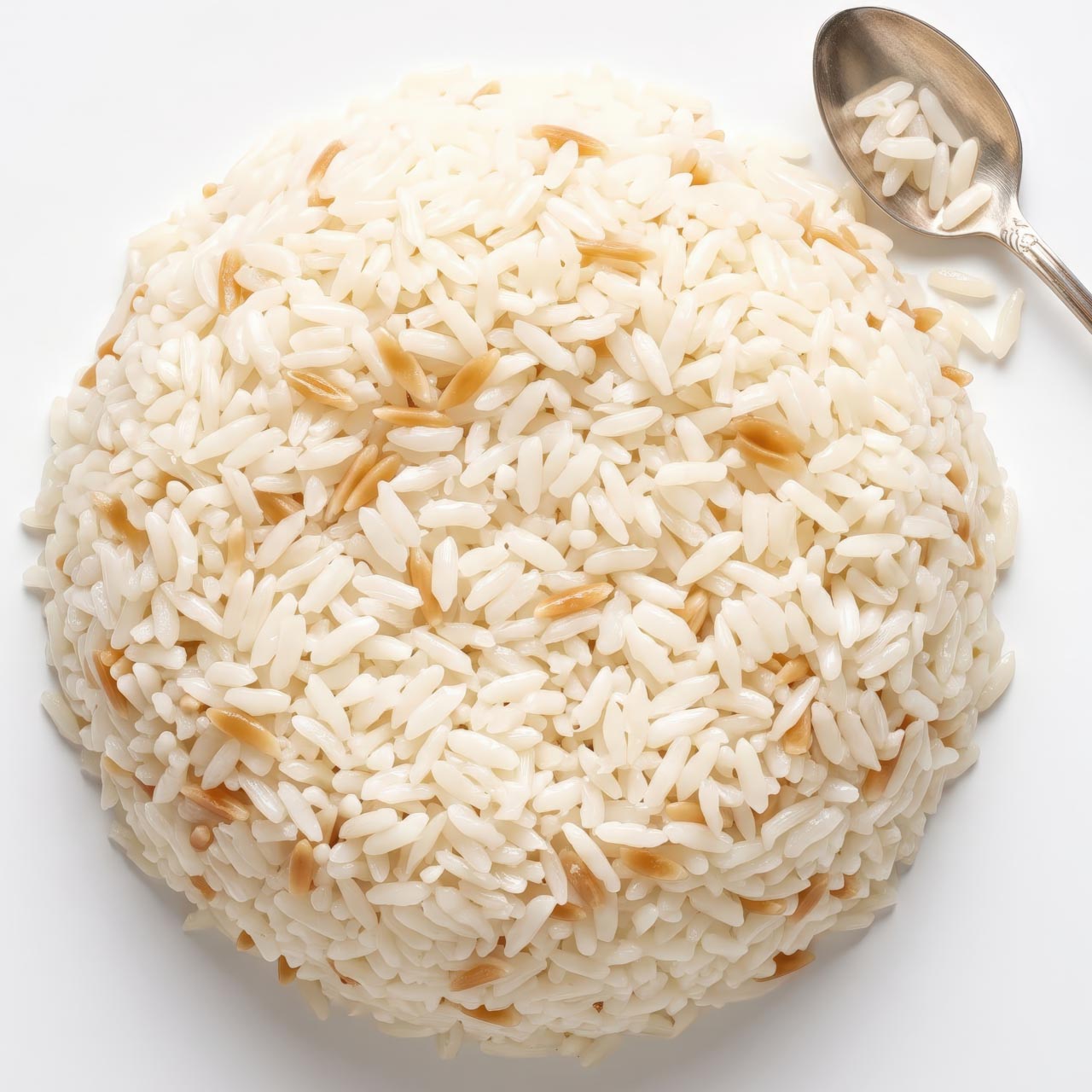
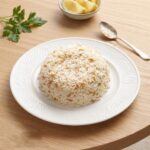
Experience the purest form of culinary mastery with traditional Turkish Rice Pilaf. Long revered as the cornerstone of Turkish cuisine and the undisputed king of side dishes, this recipe delivers a shimmering, light, and delicious masterpiece where every perfectly cooked grain stands beautifully apart. Whether you are standardizing a premium restaurant menu or elevating a home-dining experience, this dish is the ultimate benchmark of quality.
Rice Pilav
Dish Summary
Experience the purest form of culinary mastery with traditional Turkish Rice Pilaf. Long revered as the cornerstone of Turkish cuisine and the undisputed king of side dishes, this recipe delivers a shimmering, light, and delicious masterpiece where every perfectly cooked grain stands beautifully apart. Whether you are standardizing a premium restaurant menu or elevating a home-dining experience, this dish is the ultimate benchmark of quality.
Key Features:
- Flawless Texture: Expert starch-removal and steaming techniques guarantee a separate, non-mushy, grain-by-grain finish.
- Premium Ingredients: Specifically calibrated for high-starch Baldo or Osmancık rice varieties.
- Versatile Pairing: The perfect, easy-to-digest carbohydrate foundation to balance rich, protein-based main courses.
- Dietary Friendly: Naturally gluten-free with an easy dairy-free substitution available.
Historical Context
Rice boasts a rich, millennia-spanning lineage, traveling from the fertile crescent of Mesopotamia and the Far East directly to the heart of Anatolia. In the grand kitchens of the Ottoman Palace, a flawlessly executed pilaf was never just a side dish—it was an ultimate status symbol and the rigorous benchmark by which a grand feast was judged. The deep cultural reverence for this dish is perfectly captured in the historic Turkish proverb: “Pilavdan dönenin kaşığı kırılsın” (May the spoon of the one who turns back from the pilaf be broken), symbolizing the unwavering determination and respect associated with this culinary tradition.
Recipe and Ingredients
The secret to this traditional masterpiece lies in a strict, fundamental formula: meticulously removing excess starch, coating every single grain by sautéing it in a blend of premium fats, and steaming the rice with a mathematically perfect water ratio.
Ingredients
- 2 cups Baldo or Osmancık rice (Premium varieties high in starch for optimal water absorption)
- 3 cups boiling water or rich chicken stock (A strict 1:1.5 ratio is essential for the perfect texture)
- 2 tbsp high-quality butter
- 1 tbsp olive oil (Crucial for preventing the butter from burning during the sauté phase)
- 5 tsp sea salt
- 2–3 drops fresh lemon juice (The secret to keeping the cooked grains bright and white)
Preparation Process
- Soaking: Submerge the rice in warm, salted water for a minimum of 20 minutes. Afterward, rinse it thoroughly through a strainer until the water runs completely clear, ensuring all excess starch is removed.
- Sautéing: Melt the butter and olive oil in a heavy-bottomed pot. Add the washed rice and sauté over medium heat for 3–4 minutes until the edges of the grains become slightly translucent.
- Cooking: Carefully pour in the boiling hot water (or chicken stock). Add the sea salt and lemon juice, giving the mixture one gentle, final stir to distribute the ingredients.
- Steaming: The moment the liquid returns to a boil, reduce the heat to your stove’s lowest setting. Drape a clean paper towel across the top of the pot and tightly secure the lid. Cook until all liquid is fully absorbed (approximately 12–15 minutes).
- Resting: Turn off the heat and leave the pot completely undisturbed. Allow the pilaf to rest and set for at least 20 minutes before serving.
Cooking Tips
- The Hot Water Rule: Always use boiling water or hot stock. This provides a necessary temperature “shock” that locks the structure of the rice grains.
- Avoid Stirring: Do not over-mix or disturb the rice once it begins absorbing the liquid. Agitation will break the fragile grains, releasing internal starches and resulting in a mushy texture.
Presentation
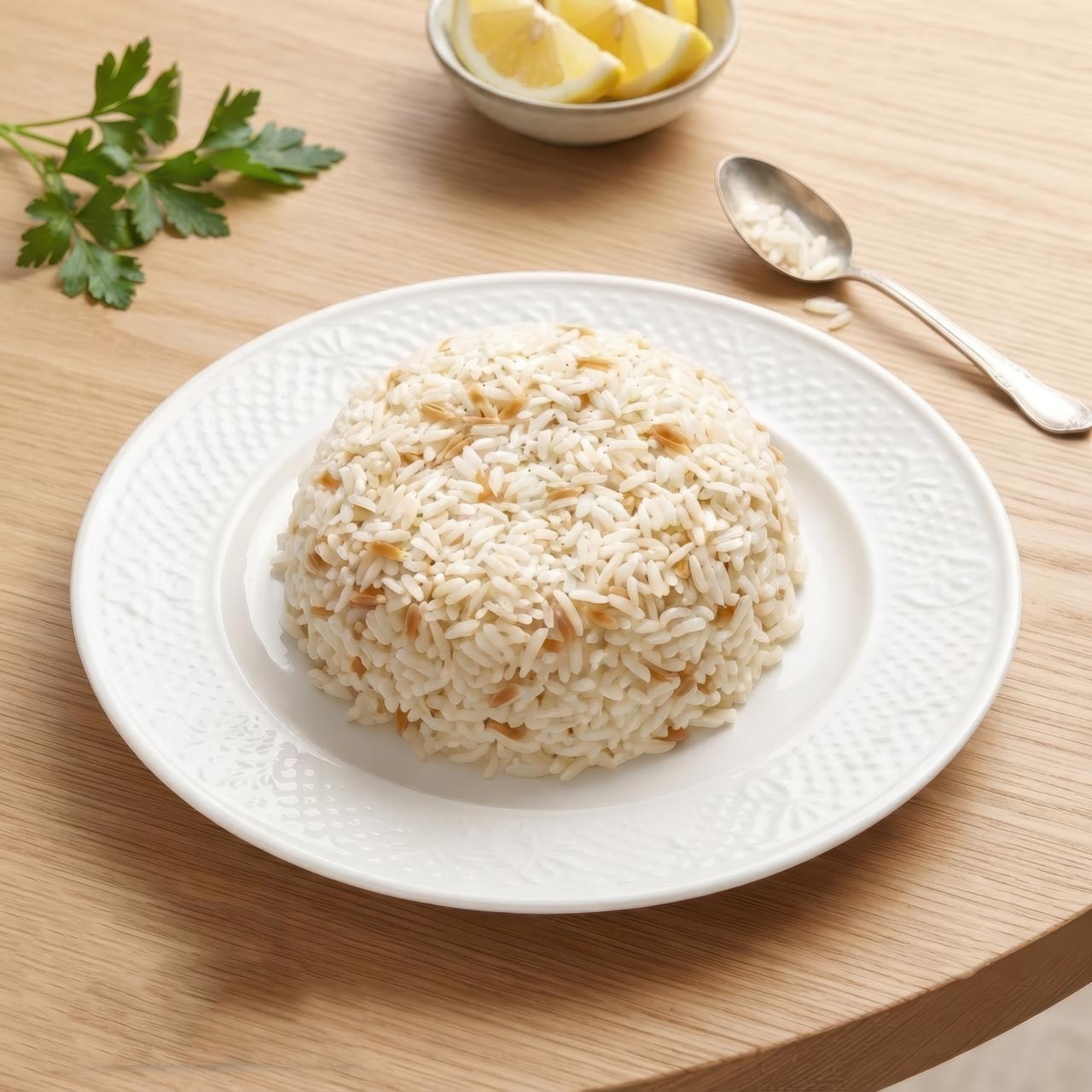
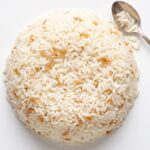
For a truly elegant, professional plating, pack the rested pilaf gently into a ramekin, small bowl, or shaping mold, and invert it onto the plate. Garnish the gleaming rice with a pinch of freshly cracked black pepper or a sprinkle of finely chopped parsley for a vibrant pop of color.
Nutritional Values (Per 150g Serving)
| Nutrient | Amount |
| Calories | 220 kcal |
| Carbohydrates | 45g |
| Protein | 4g |
| Fat | 3g |
Category and Global Standing
Within the hierarchy of Turkish cuisine, this dish is officially categorized as a “Basic Starch Side.” It shares a prestigious global standing with other world-renowned foundational rice dishes, such as steamed jasmine rice in the Far East, artisanal risotto in Italy, and spiced pilafs throughout the Middle East.
Who is this for?
This dish is expertly suited for anyone requiring a strict gluten-free diet, as well as athletes, professionals, and families needing a delicious, reliable, and high-quality source of daily carbohydrates.
Allergy Warnings
- Dairy Sensitivity: Because the traditional recipe features butter, individuals with dairy allergies or lactose intolerance should substitute the butter entirely with olive oil or a plant-based alternative.
- Blood Sugar: Please note that white rice has a high glycemic index, which may cause sensitivity for individuals monitoring their blood sugar levels.
Why should you eat this?
Beyond its incredible taste, a properly cooked pilaf provides fast, clean energy and is incredibly easy to digest. It acts as the ultimate flavor balancer when served alongside heavy, savory protein dishes. Furthermore, learning to cook it perfectly is a rite of passage that will fundamentally improve your overall kitchen discipline and timing.
Useful Information & Resources
- Harvard T.H. Chan School of Public Health – The Nutrition Source
- Pro Tip: The glycemic index of rice can actually be optimized and slightly lowered depending on your specific cooking and cooling methods.
FAQ
Why does the pilaf turn out mushy?
This is almost always caused by user error: either the rice was agitated and stirred too much during the cooking process, or the strict 1:1.5 water-to-rice ratio was exceeded.
How do I ensure the rice is grain-by-grain?
The flawless texture is achieved in the prep phase. You must thoroughly wash and rinse the rice after soaking to strip away the sticky surface starch before it ever hits the pan.
Is chicken stock mandatory?
No, it is not required. However, using a high-quality chicken or bone broth will significantly deepen the savory flavor profile of the final dish.
Can I reheat pilaf?
Yes. To revive the texture without drying it out, add a small splash of water to the rice and gently steam it covered over low heat.
Zero Waste Note
Never throw away leftover rice! You can easily repurpose yesterday’s pilaf to create a comforting, hearty “Rice Soup,” or mix the cold grains into a vegetable batter to fry up crispy, delicious “Rice and Vegetable Patties.”
#RicePilaf #TraditionalCuisine #ZeroWasteCooking #GrainByGrain #TurkishCuisine #HealthyEating
| Color | Beige, Black, Blue, Brown, Yellow |
|---|






Related products
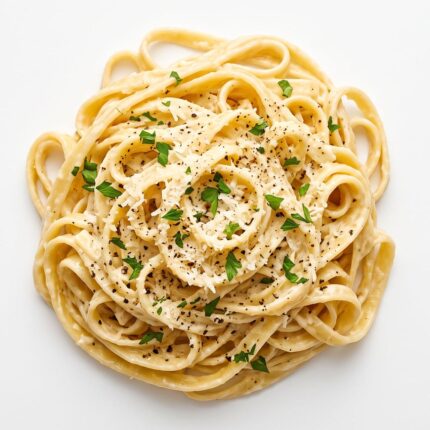
Chefhola Mediterranean Long Pasta Fettuccine
Experience the silky texture of authentic Italian pasta with Fettuccine, a classic variety whose name beautifully translates to "little ribbons." Featuring flat, long strands approximately 6–8 mm wide, this pasta serves as the ultimate canvas for rich, creamy, and meat-based sauces, including the legendary Alfredo. Crafting the homemade version elevates your culinary journey, delivering a unique, melt-in-your-mouth textural experience that standard dried pasta simply cannot replicate.
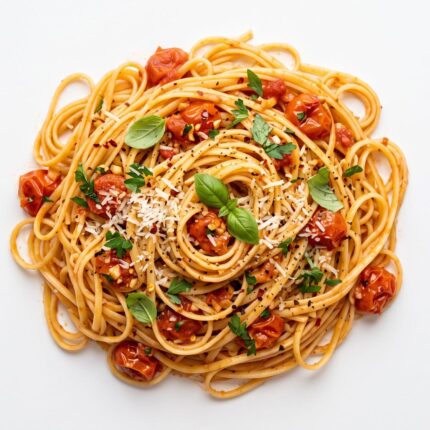
Chefhola Mediterranean Long Pasta Linguine
Welcome to the authentic taste of the Italian coast. Linguine—affectionately translating to "little tongues" in Italian—is a premium pasta variety renowned for its unique flat and oval cross-section. Designed to elevate your culinary creations, it is the ultimate pairing for fresh seafood, vibrant pesto, or delicate oil-based sauces.
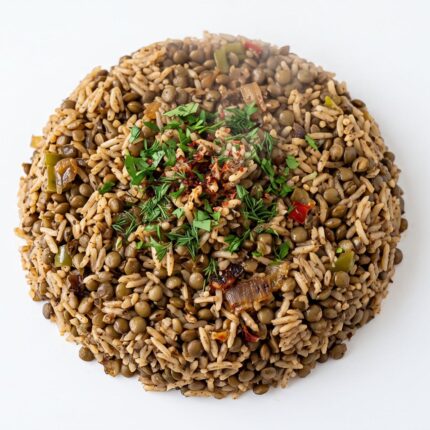
Chefhola Mediterranean Rices Firik Rice
Experience the crown jewel of Gaziantep's tables. Firik pilaf is a premium smoked bulgur dish that brings authentic Anatolian flavor right to your kitchen. Crafted from immature wheat heads smoked to perfection, this artisan grain delivers a bold, characteristic aroma and a rich, smoky taste that elevates any meal.
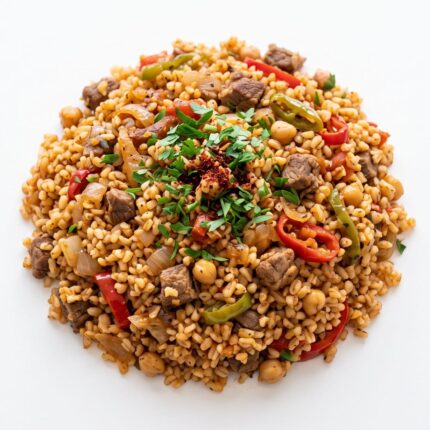
Chefhola Mediterranean Rices Tavern Classic Rice
Transform your dinner table with a complete feast packed into a single, vibrant dish. Unlike plain rice pilafs, Meyhane Pilavı delivers an intense, savory explosion of ripe tomatoes, crisp peppers, and aromatic onions. Colorful, highly nutritious, and wonderfully fragrant, this versatile Anatolian classic shines perfectly as a deeply satisfying main course or as a premium accompaniment to your favorite meat dishes.
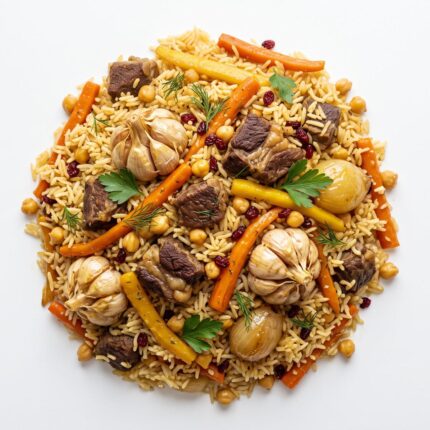
Chefhola Mediterranean Rices Uzbek Rice
Step into a world of rich culinary tradition with our authentic Uzbek Plov. Far more than just a meal, this prestigious Central Asian classic is a time-honored ritual. It masterfully unites tender lamb, vibrant yellow carrots, sweet onions, hearty chickpeas, and premium rice in a massive, traditional cauldron (kazan). Perfectly seasoned with warm aromatics, it delivers a uniquely hearty texture that commands the center of any dining table.
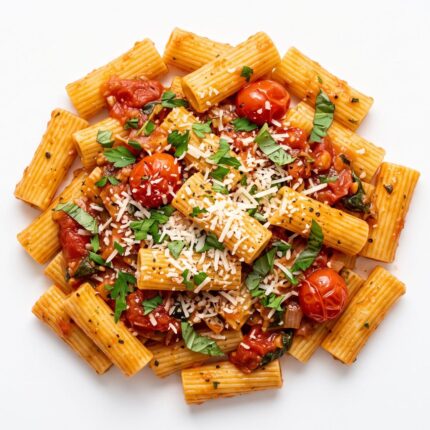
Chefhola Mediterranean Short Pasta Rigatoni
Bring the vibrant flavors of Sicily directly to your dining table with Rigatoni alla Norma, the signature culinary masterpiece of Catania! This beloved pasta dish features a rich, velvety tomato sauce, golden cubes of fried eggplant, and aromatic fresh basil, all crowned with savory, grated Ricotta Salata cheese. It delivers the ultimate balance of Mediterranean freshness and gourmet heartiness.
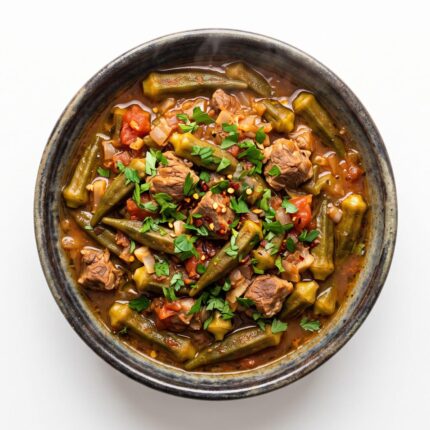
Chefhola Mediterranean Vegetable Dishes Okra
Experience a classic Turkish culinary masterpiece where the delicate, unique texture of fresh okra meets the vibrant acidity of lemon and vine-ripened tomatoes. Light, refreshing, and deeply nutritious, this dish is expertly balanced through traditional techniques to deliver perfect tenderness without any of the undesirable "sliminess." Enjoy it steaming hot as a comforting side, or chilled as a refreshing Mediterranean appetizer.
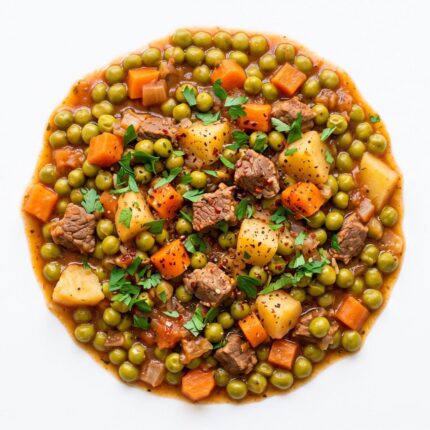
Chefhola Mediterranean Vegetable Dishes Peas
Welcome the vibrant freshness of spring right to your dining table with this light, nutritious, and effortlessly practical classic. A true Mediterranean delight, this dish beautifully harmonizes the natural sweetness of fresh peas with the hearty, earthy aromas of carrots and potatoes—all perfectly balanced by a rich extra virgin olive oil finish.
Reviews
There are no reviews yet.