


Chefhola Bakery Pides Plain Pide
$6.50
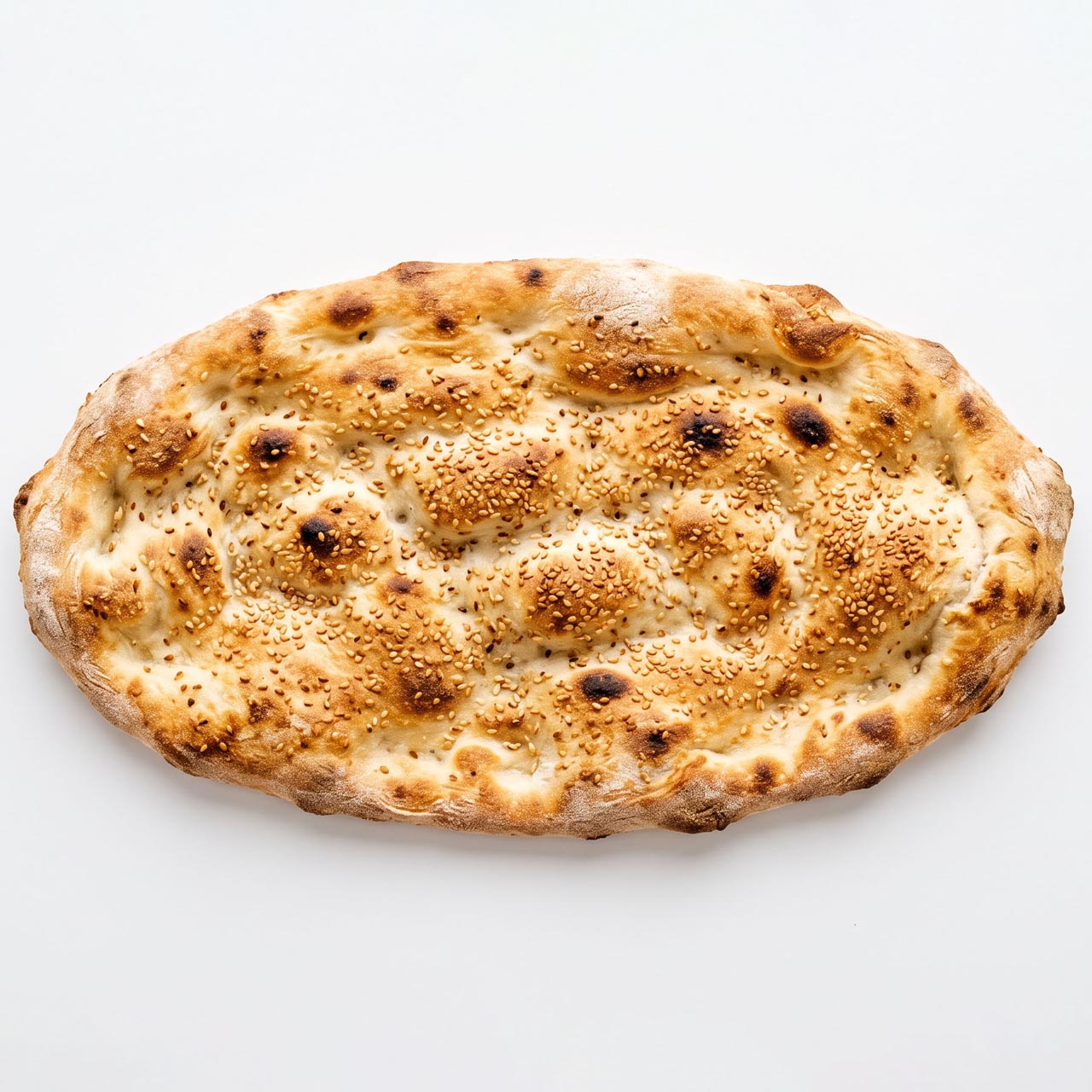
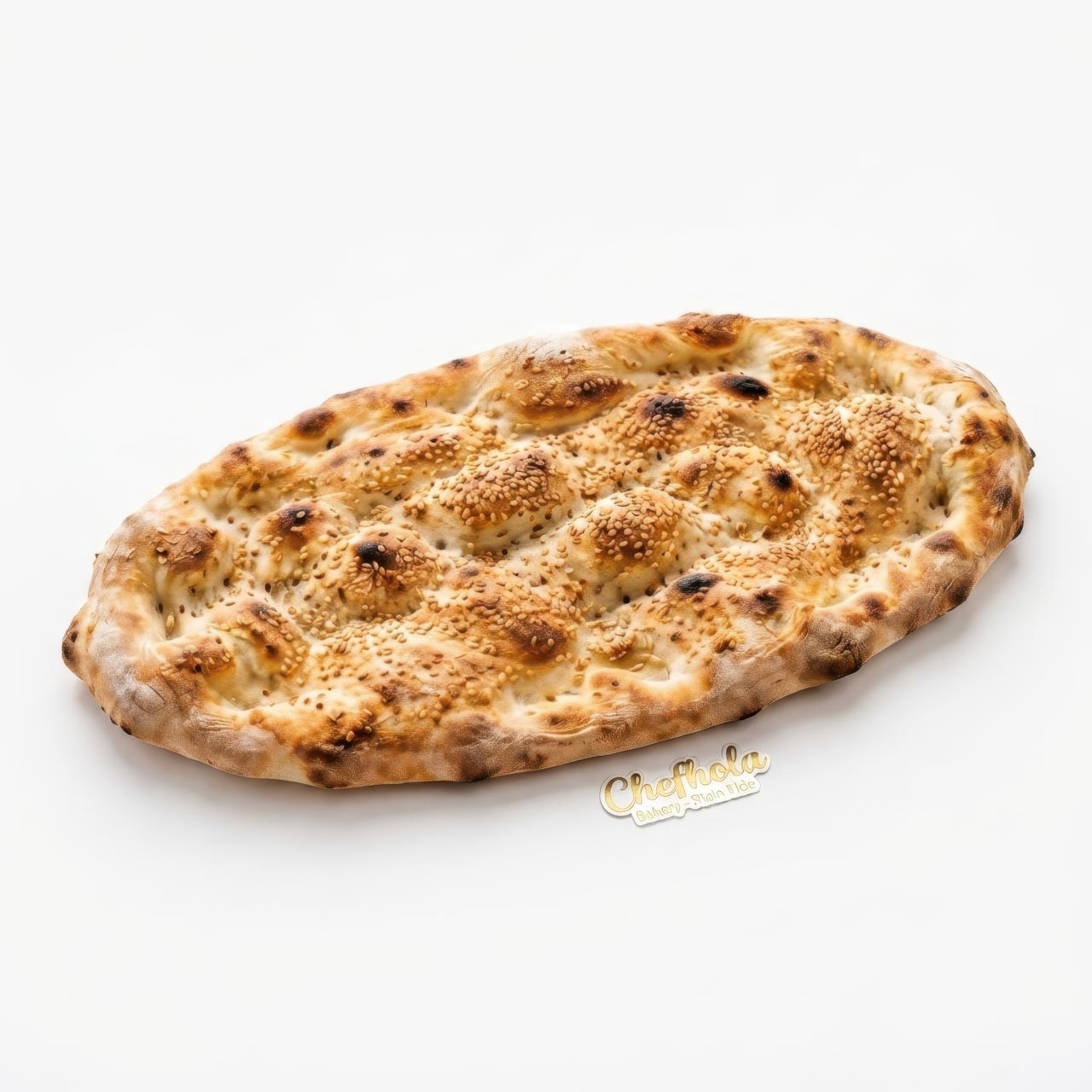
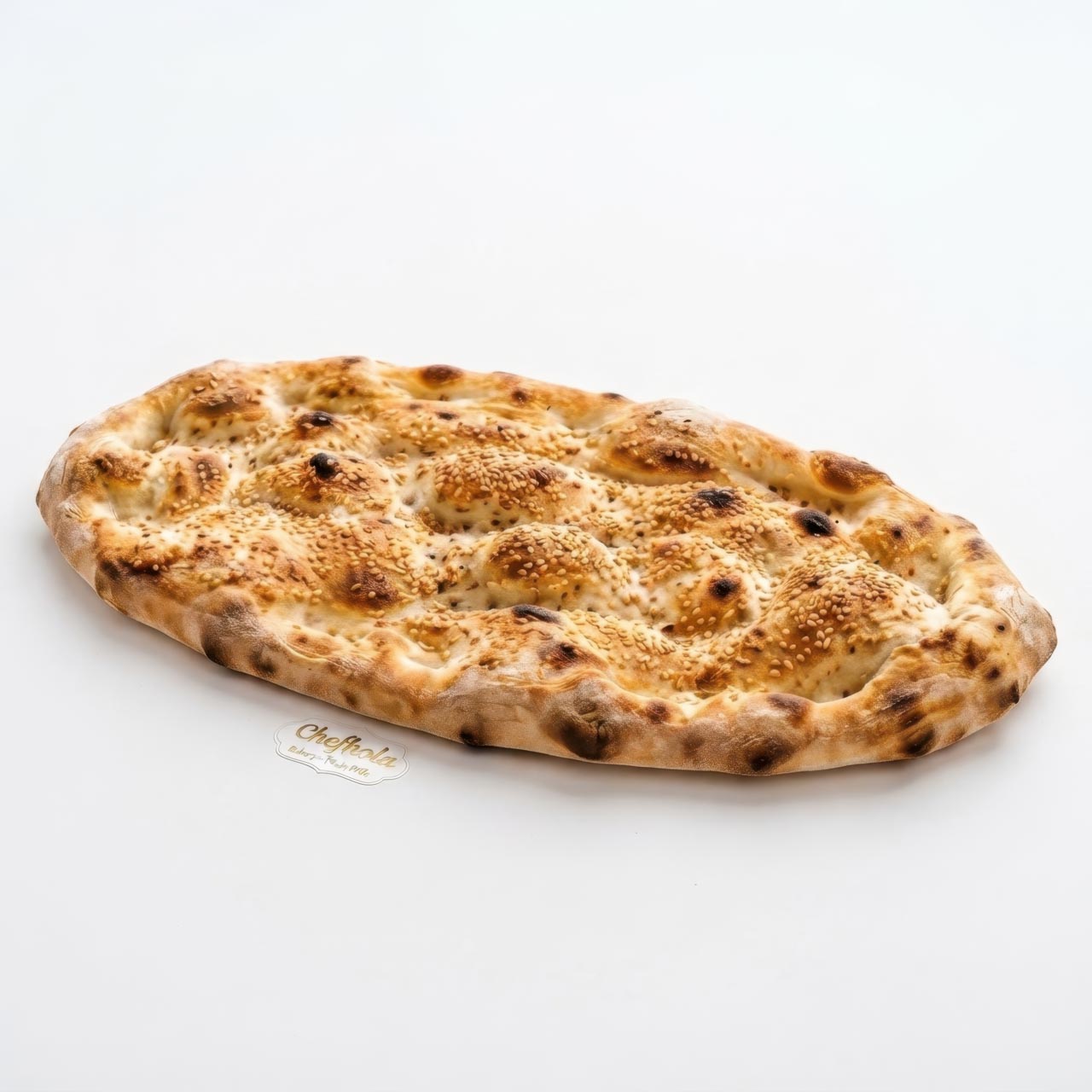
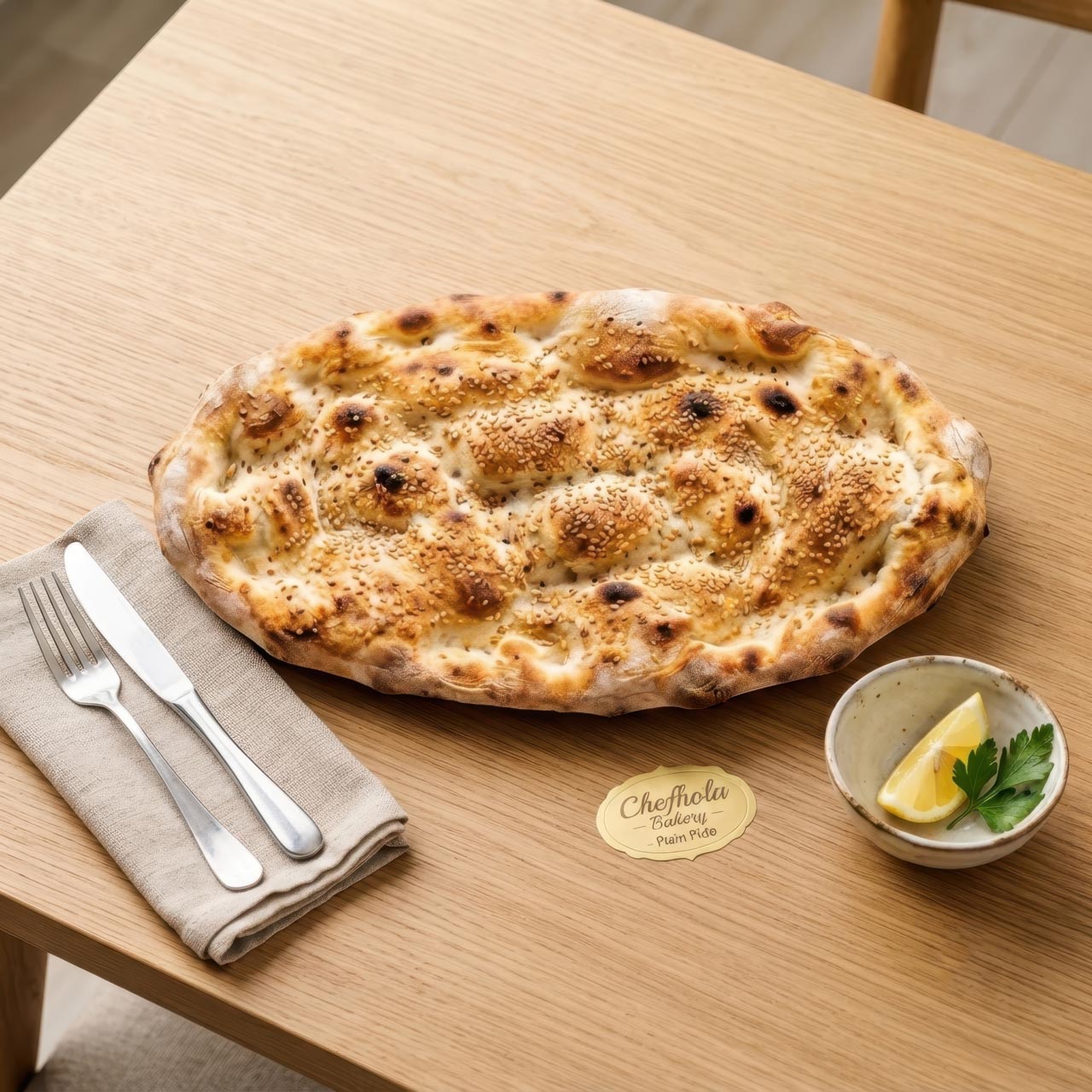
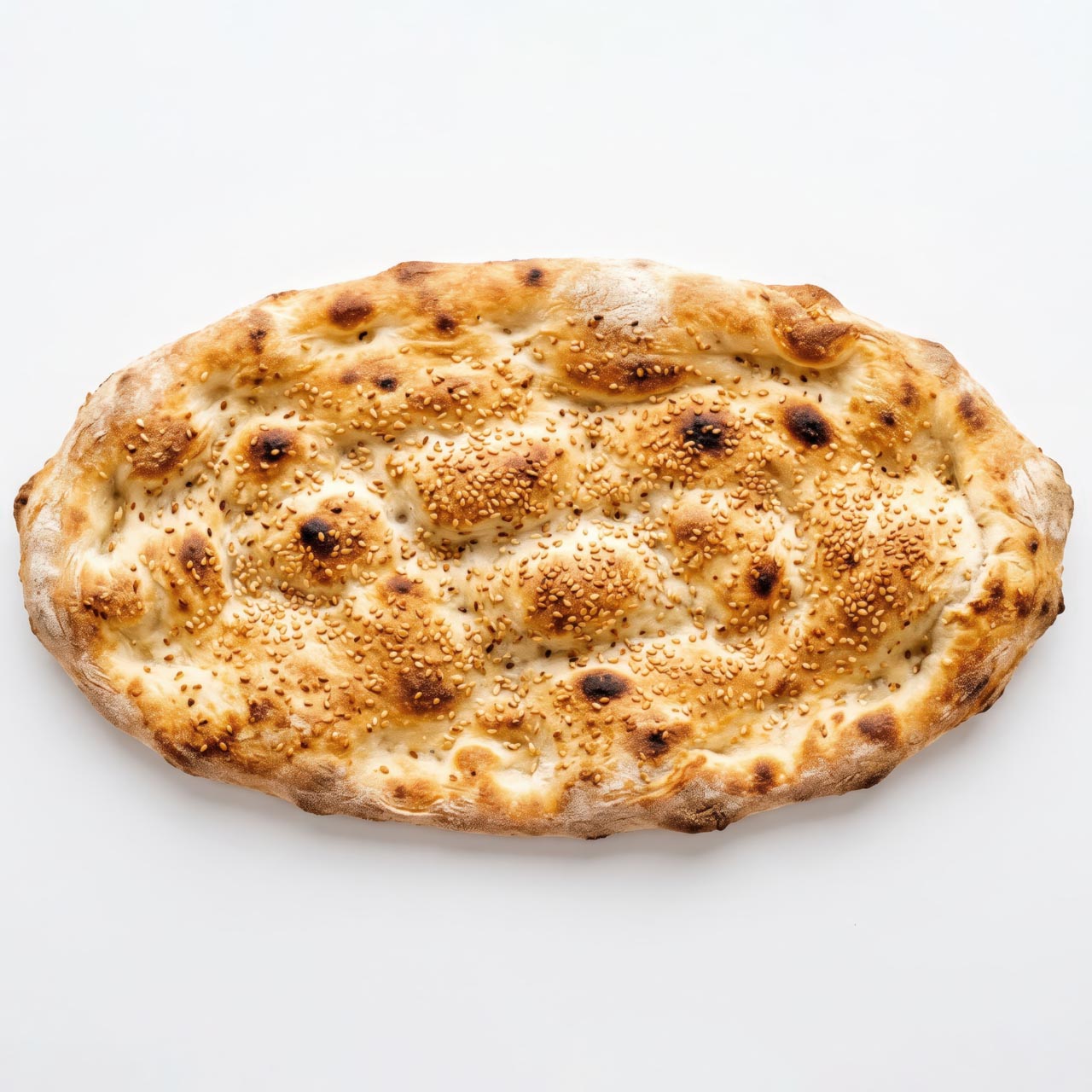
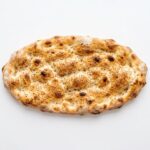
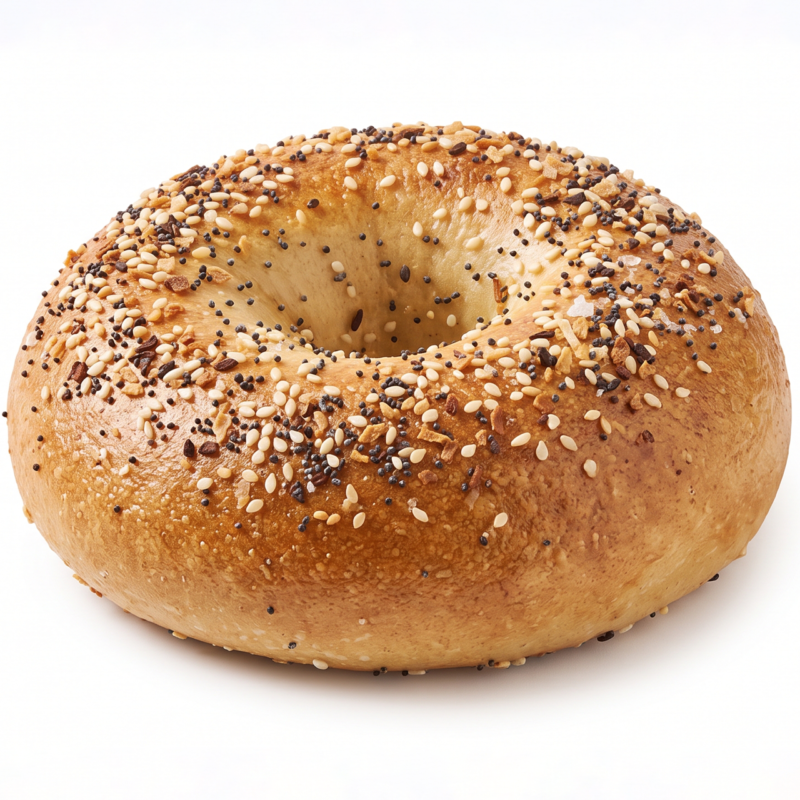
Bring the authentic, artisanal taste of Türkiye directly into your home kitchen. Plain pide is a classic, high-temperature baked pastry that delivers the ultimate textural contrast: a delightfully crispy, golden-brown exterior giving way to a cloud-like, soft interior. Crowned with aromatic sesame and nigella seeds, this premium flatbread is an indispensable, mouth-watering companion to any meal.
Traditional Anatolian Plain Pide (Flatbread)
Dish Summary
Bring the authentic, artisanal taste of Türkiye directly into your home kitchen. Plain pide is a classic, high-temperature baked pastry that delivers the ultimate textural contrast: a delightfully crispy, golden-brown exterior giving way to a cloud-like, soft interior. Crowned with aromatic sesame and nigella seeds, this premium flatbread is an indispensable, mouth-watering companion to any meal.
Historical Story
Experience a recipe steeped in centuries of heritage. Pide is the magnificent Anatolian evolution of the ancient flatbread traditions from the nomadic cultures of Central Asia. Elevated during the Ottoman era, it became a highly sought-after bakery specialty—particularly during the month of Ramadan. Over generations, it has transcended being just a side dish to become a true cultural icon meant to be shared.
Recipe and Ingredients
Crafted for the passionate home baker, this classic wheat flour-based recipe is expertly optimized to guarantee bakery-quality results in a standard home oven.
- Premium Flour: 500g (high-protein bread flour for optimal chew and structure)
- Water: 350ml (lukewarm)
- Yeast: 1 packet instant dry yeast (10g)
- Salt: 1 teaspoon
- Sugar: 1 teaspoon (essential for yeast activation)
- Signature Topping: 1 egg yolk and 1 tablespoon yogurt (for the perfect golden glaze), generously sprinkled with sesame seeds and nigella seeds.
Preparation Process
- Preparation: Whisk the lukewarm water, sugar, and yeast together. Allow the mixture to sit for 5 minutes to activate and become frothy.
- Kneading: Place the flour and salt in a large mixing bowl. Create a well in the center and pour in the activated yeast mixture. Knead vigorously for about 10 minutes until you achieve a smooth, soft dough that no longer sticks to your hands.
- Proofing: Cover the dough with a damp cloth and let it rest in a warm environment for 45-60 minutes, or until it has impressively doubled in volume.
- Shaping: Transfer the proofed dough to a lightly floured surface. Shape it into a rustic oval or circle. Use your fingertips to press down firmly, creating the iconic, textured “pide” indentations.
- Baking: Bake in a fully preheated oven at 220°C for 15-20 minutes, watching until the crust develops a rich, golden-brown finish.
Recipe Tips
- Humid Environment: Place a small oven-safe container of water on the bottom rack while baking. The steam ensures the crumb remains luxuriously soft.
- Baking Stone: For a truly professional, pizzeria-quality crispy bottom, bake your pide directly on a preheated baking stone.
Serving
For the ultimate tasting experience, serve the flatbread warm right out of the oven. It is the perfect vessel for dipping into regional soups or enjoying alongside a refreshing glass of cold ayran (traditional yogurt drink).
Nutritional Values (Per Serving – Approximate)
| Nutrient | Amount |
| Calories | 220 kcal |
| Carbohydrates | 45g |
| Protein | 7g |
| Fat | 1g |
Category and Place in World Cuisine
- Category: Pastry / Breads
- World Cuisine: A hallmark staple of Turkish culinary arts, sharing celebrated characteristics with Italian Focaccia and Middle Eastern Khubz.
Who Is This For?
This recipe is a crowd-pleaser that appeals to all age groups. It is highly recommended for large family gatherings, holiday feasts, and anyone looking to recreate authentic, traditional flavors from scratch.
Allergy Warnings
- Gluten: Contains wheat flour. This recipe is not suitable for individuals with Celiac disease or severe gluten intolerance.
Why Should You Eat This?
Take control of your nutrition without sacrificing taste. Unlike mass-produced industrial breads found in supermarkets, this homemade plain pide is entirely free of chemical preservatives and artificial dough conditioners. Crafted with fresh, wholesome ingredients under your strict control, it offers a healthier, immensely more flavorful alternative for your family table.
Useful Information and Resources
- Harvard T.H. Chan School of Public Health: For more insights on building a balanced diet, their “Healthy Eating Plate” provides excellent information on the long-term health benefits of incorporating complex carbohydrate sources, like whole wheat, into your daily routine.
Popular Questions and Answers
- Q: What should I do to prevent my pide from being hard?
- A: Immediately wrap the flatbread in a clean, breathable kitchen cloth as soon as it comes out of the oven. This traps its natural steam, softening the crust beautifully.
- Q: Can I use whole wheat flour?
- A: However, whole wheat absorbs more moisture, making the dough heavier. You will need to incrementally add a little more lukewarm water to achieve the right consistency.
- Q: How can I use leftover stale pide?
- A: Transform it into gourmet “crispy bread” croutons for your soups by chopping it into small cubes and toasting them in the oven.
- Q: Why doesn’t the dough rise?
- A: Yeast is highly sensitive to temperature. If your water is too hot, it will kill the yeast; if it is too cold, the yeast remains dormant. Always use lukewarm water that feels comfortably warm to the touch without burning.
Zero Waste Note
Maximize your ingredients! If you find yourself with leftover pide past its prime, do not throw it away. Cube the bread, toss it generously with extra virgin olive oil and dried thyme, and bake until crispy. You will prevent food waste while creating a premium, delicious topping for your fresh salads.
Hashtags
#PlainPide #Homemade #TraditionalFlavors #ZeroWasteKitchen #BreadArt #AnatolianCuisine
Note: This recipe is for general informational purposes. Nutritional values may vary slightly depending on the specific brand of flour and the exact measurements used in your kitchen.
| Color | Beige, Black, Blue, Brown, Yellow |
|---|






Related products

Chefhola Bakery Breads Hamburger Bread
Chefhola Bakery Mini Sandwiches Cheddar Sandwich
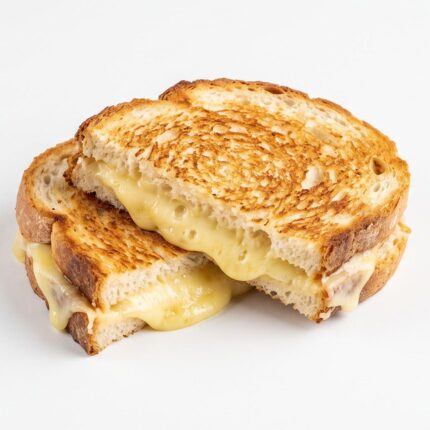
Experience the ultimate comfort food with our signature Kasseri Cheese Sandwich. Merging warm, perfectly melted cheese with an irresistibly crispy bread texture, this global classic is ready in just minutes. It stands as an indispensable choice for a revitalizing breakfast or a lightning-fast lunch for those on the go.
Chefhola Bakery Mini Sandwiches CheeseCrusted Bun Sandwich
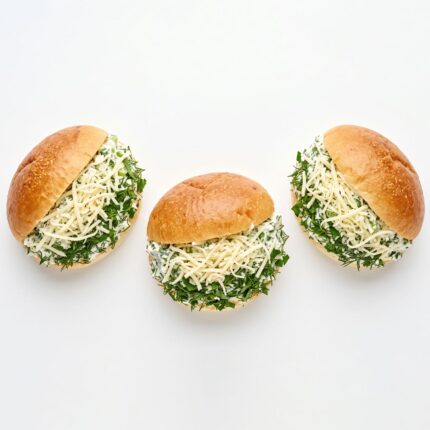
Indulge in a true culinary icon of Turkish cuisine. The Sakallı sandwich is a visually striking, undeniably satisfying treat that brings the vibrant street and cafe culture of Istanbul right to your plate. Named for the generous coating of shredded kashar cheese that distinctively overflows from its edges like a "beard," this delightful snack boasts a rich, creamy labneh center that makes every bite memorable.
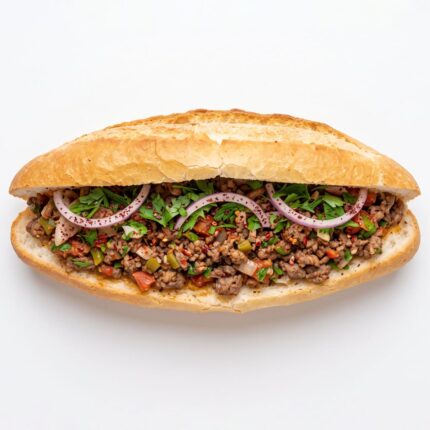
Chefhola Bakery Mini Sandwiches Savory Ground Beef Sandwich
Upgrade your comfort food experience with our modern take on the classic ground meat sandwich. This practical, filling, and wildly popular dish masterfully blends finely ground meat with fresh vegetables and a rich, savory, slightly tomato-based sauce, all served warm inside pillowy soft sandwich buns.

Chefhola Bakery Pastries Spinach Shredded Pastry
Bring the refined elegance of Ottoman palace cuisine directly to your dining table. Talaş böreği takes its name from its signature light, ultra-flaky outer layer that shatters perfectly upon the first bite—resembling delicate wood shavings (talaş). This elegant, "bundle-style" spinach delicacy marries the earthy, wholesome aroma of fresh greens with the rich, indulgent texture of premium cheese, creating a gourmet experience that elevates any meal.
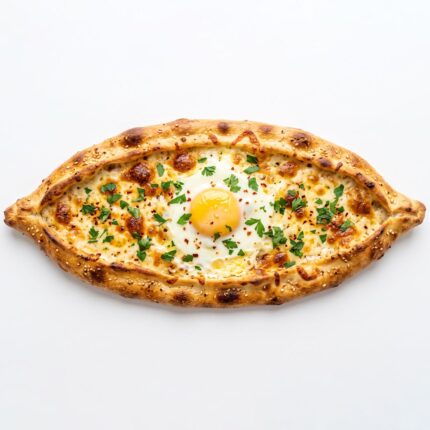
Chefhola Bakery Pides Egg Pide
Bring the authentic flavors of a traditional Turkish bakery straight to your kitchen table! Egg Pide is an indispensable, hearty, and irresistibly crispy pastry that serves as a show-stopping main meal or a decadent breakfast. This iconic dish features a masterfully thin, hand-rolled dough folded into a signature "boat" shape. It is generously stuffed with a rich cheese or savory minced meat filling, and crowned with a perfectly cooked, runny egg in the final moments of baking.
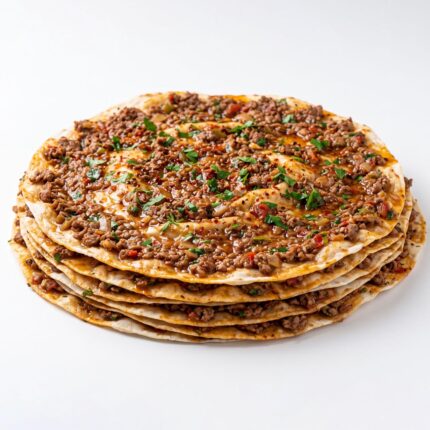
Chefhola Bakery Pides Kayseri Yaglamasi
Transform your dining table with Kayseri Yağlaması, a spectacular Central Anatolian delicacy that builds a savory tower of flavor. By alternating incredibly thin, hand-rolled flatbreads (şebit) with a rich, spiced minced meat sauce, this visually stunning dish delivers an unforgettable gourmet experience.
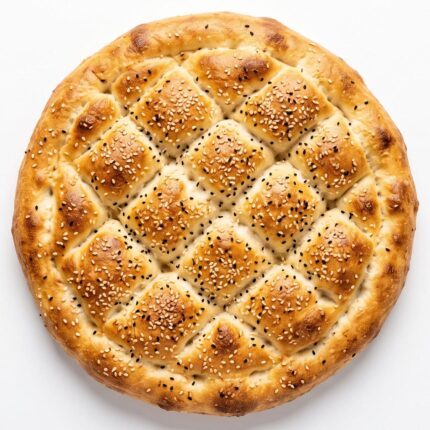
Chefhola Bakery Pides Ramadan Pide
Bring the authentic taste of tradition into your home with the Ramadan Pita (Ramazan Pidesi). As the indispensable centerpiece of the Ramadan table, this leavened Turkish bread offers a multi-sensory culinary experience. Whether you are breaking a fast or simply looking for the perfect artisanal bread to accompany your meals, the Ramadan pita delivers unmatched flavor and texture.
Reviews
There are no reviews yet.