
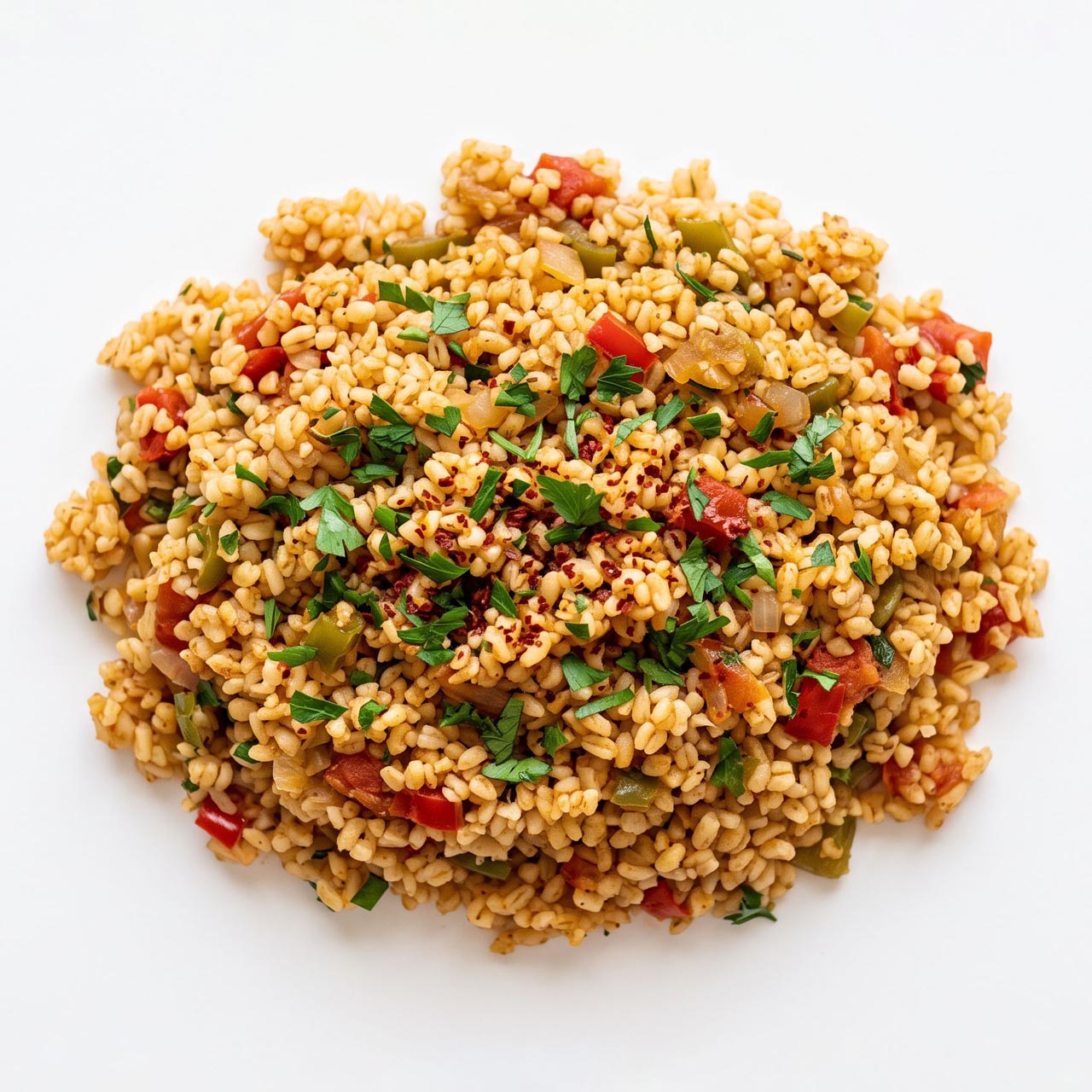
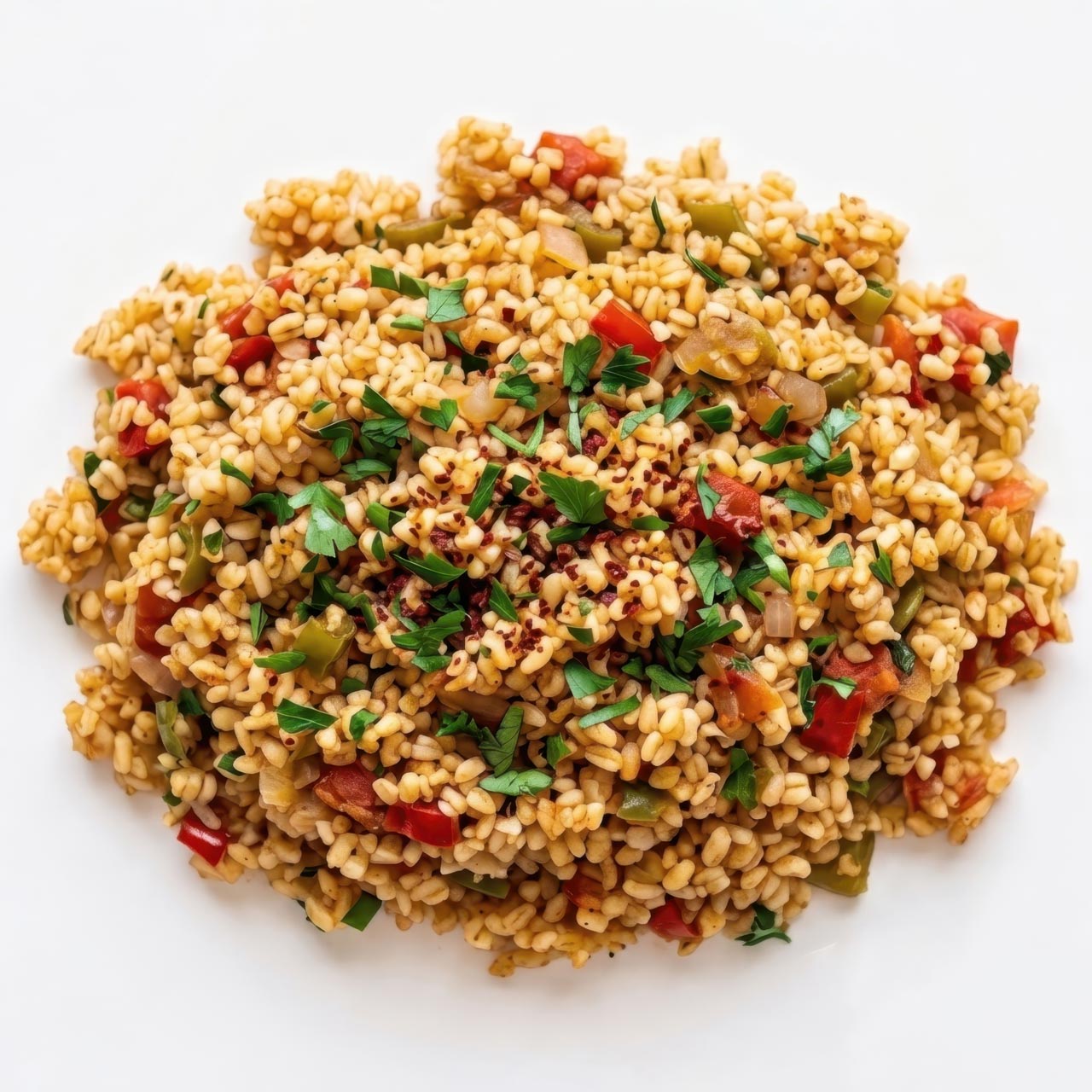
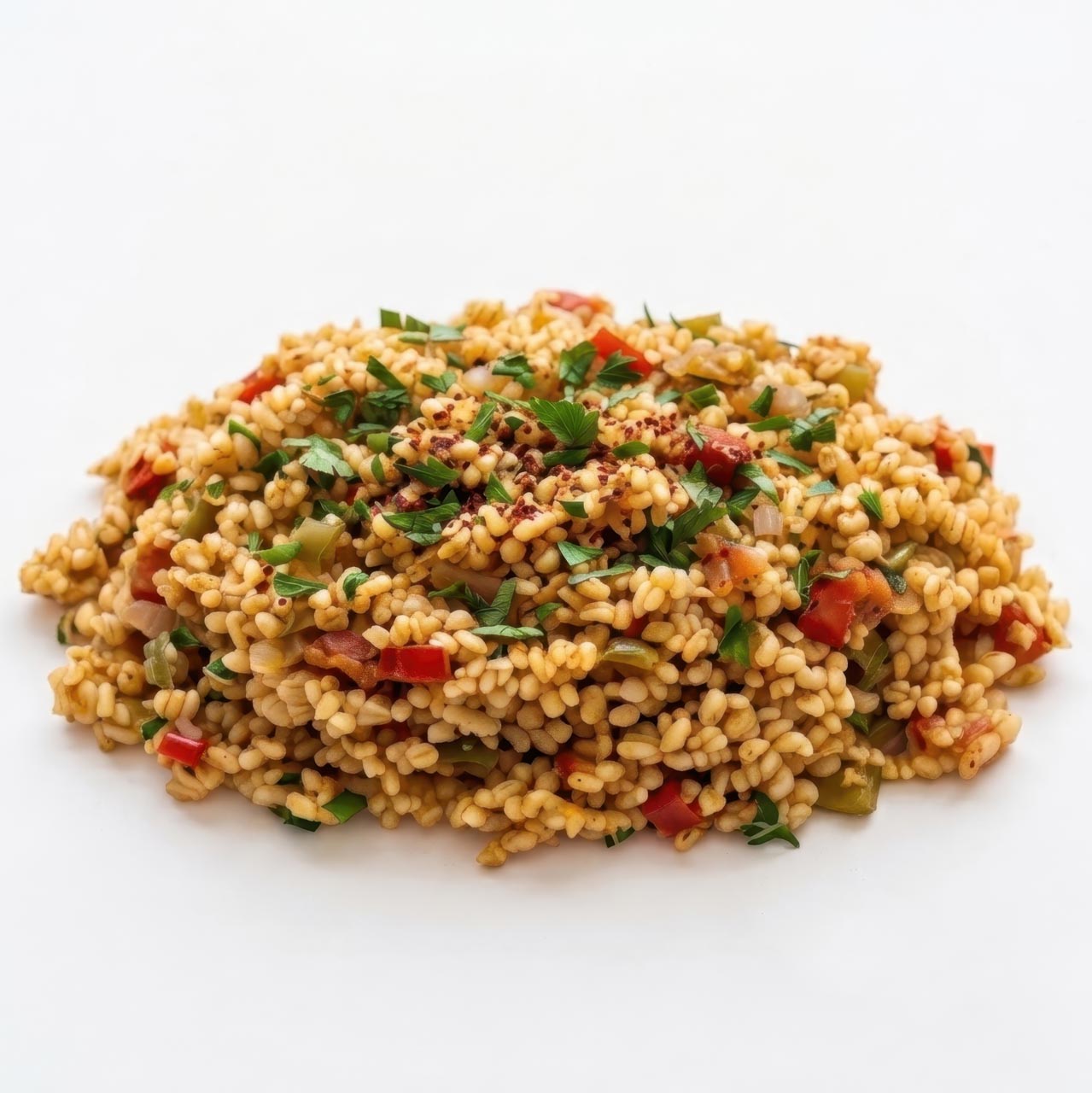
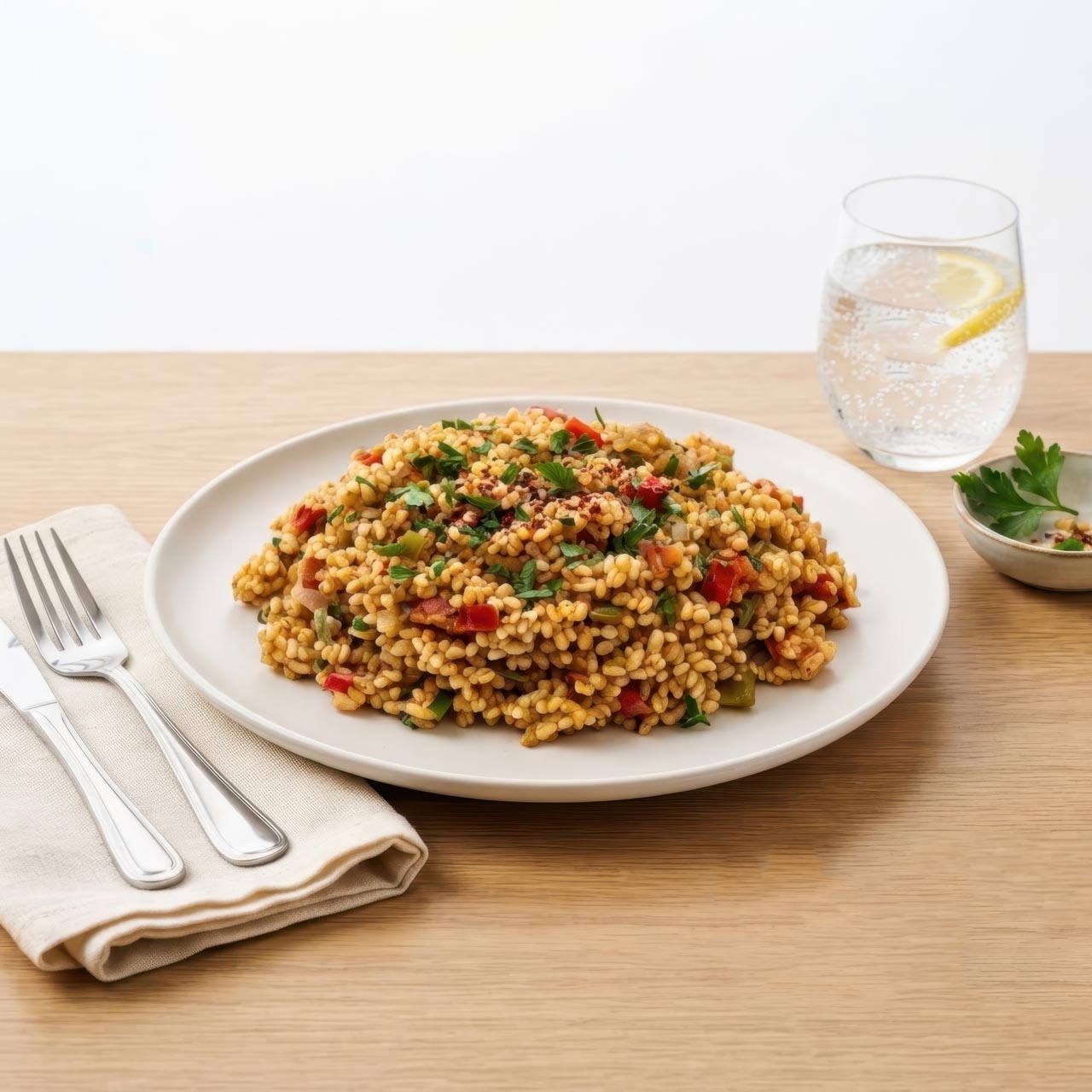
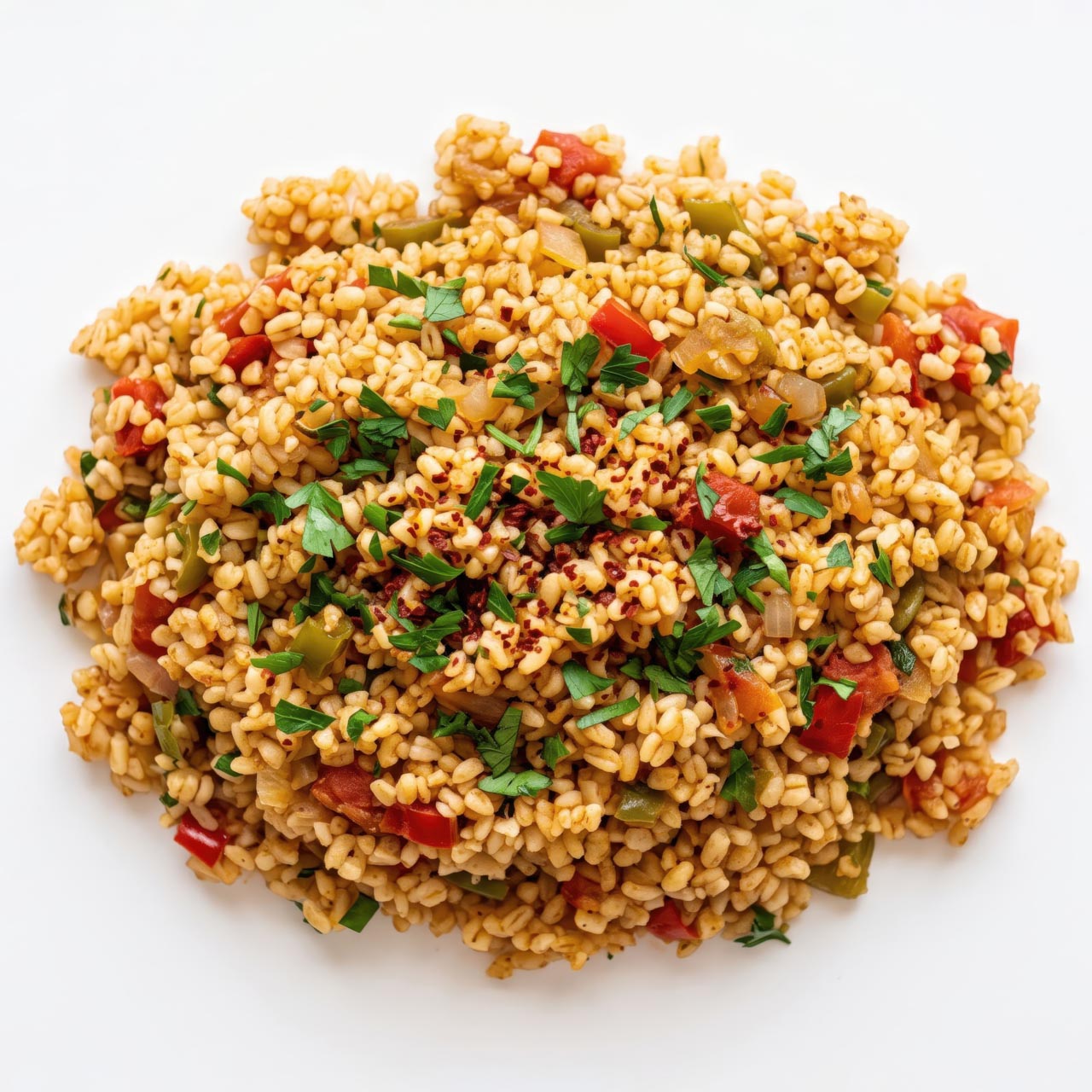

Chefhola Mediterranean Rices Bulgur Rice
$429.00
Consequat a scelerisque suspendisse vel et eget eu vitae adipiscing nibh scelerisque semper cum adipiscing facilisis adipiscing est accumsan lorem vestibulum. Aliquet mus a aptent ullam corper metus accumsan. Habitasse a purus nec ipsum a urna ac ullamcorper varius metus blandit posuere.
Traditional Bulgur Pilaf: The Cornerstone of Anatolian Cuisine
Summary
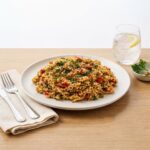
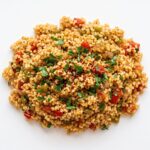
Bulgur pilaf is a healthy source of carbohydrates that forms the foundation of Anatolian cuisine, made from whole wheat that is boiled, dried, and cracked. This pilaf, combined with the flavor balance of tomatoes, peppers, and onions, is both filling and nutritious.
Historical Background
Bulgur is one of the oldest processed foods in human history, dating back to Mesopotamian civilizations thousands of years ago. The boiling and drying method (the “dövme” process), discovered to store grain for long periods, allowed bulgur to preserve its nutritional value. Although known as a “poor man’s dish” in Ottoman cuisine, it has actually held a place of honor on the tables of people from all walks of life due to its nutritional richness and ability to keep one full for a long time.
Recipe and Ingredients
A basic tomato bulgur pilaf is based on sautéing onions, peppers, and tomatoes in butter/olive oil, blending them with bulgur, and then cooking by adding water (or broth).
Ingredient List
- Pilaf-grade Bulgur: 2 cups
- Onion: 1 medium-sized, finely chopped
- Green Pepper: 2-3 pieces
- Tomato: 2 medium, grated or finely diced
- Tomato Paste: 1 teaspoon
- Butter: 1 tablespoon
- Olive Oil: 2 tablespoons
- Hot Water or Chicken Broth: 4 cups
- Spices: Salt, dried mint, red pepper flakes
Preparation Process
- Sautéing: Add the butter and olive oil to the pot. Add the onions and sauté until translucent.
- Vegetables: Add the peppers and sauté for another 2 minutes. Then, add the tomato paste and tomatoes and continue cooking until the raw smell of the paste is gone.
- Combining: Add the rinsed and drained bulgur, sautéing for 3 minutes so it integrates with the other ingredients.
- Cooking: Add the hot water (or broth) and salt. Close the lid, bring to a boil over high heat, then cook over low heat until it absorbs all the water.
- Resting: After removing from the heat, place a paper towel over the pot and let it rest (steam) for at least 15 minutes.
Recipe Tips
- Ratio: For the perfect consistency, the ratio of 1 part bulgur to 2 parts water is ideal.
- Flavor: Using chicken or meat broth for at least part of the liquid significantly increases the depth of flavor.
- Shine: Adding a tiny bit of cold butter at the end of cooking and stirring it in gives the pilaf a beautiful shine.
Presentation
Serve hot, garnished with finely chopped parsley. Serving it with homemade yogurt or pickles is a traditional preference.
Nutritional Values (Per Serving – Approx.)
| Nutrient | Amount |
| Calories | 250 kcal |
| Carbohydrates | 45g |
| Protein | 8g |
| Fiber | 7g |
Category and Place in World Cuisine
- Category: Turkish Cuisine / Side Dish.
- Context: It falls into the “Whole Grains” class in world cuisine and is a popular side dish, especially in Mediterranean and Middle Eastern cuisines.
Best For
Vegans, vegetarians, athletes, and anyone who makes healthy eating a lifestyle.
Allergy Warnings
Contains gluten. Not suitable for Celiac patients.
Why should you eat this?
It has a low glycemic index, which raises blood sugar levels more steadily compared to white rice pilaf. Because it is high in fiber, it supports the digestive system and provides a feeling of fullness for a long time.
Popular Questions and Answers
- Why should bulgur be washed? To remove excess starch and clean away any dust or residues.
- How do you prevent the pilaf from becoming mushy? Cook over low heat and avoid stirring too much after adding the water.
- Which type of bulgur is better? For pilaf, coarse-grained başbaşı or pilavlık bulgur should be preferred.
- Can diabetics consume it? It is much more suitable than rice pilaf, but portion control is important.
Zero Waste Note
Bulgur pilaf is a great “cleanup” meal for utilizing leftover vegetables (tomatoes, peppers) in the kitchen. Additionally, you can repurpose leftover bulgur pilaf the next day by adding it to soups or incorporating it into vegetable salads.
#BulgurPilaf #TurkishCuisine #HealthyEating #WholeGrains #TraditionalRecipes #ZeroWaste #HealthyRecipes
| Color | Beige, Black, Blue, Brown, Yellow |
|---|

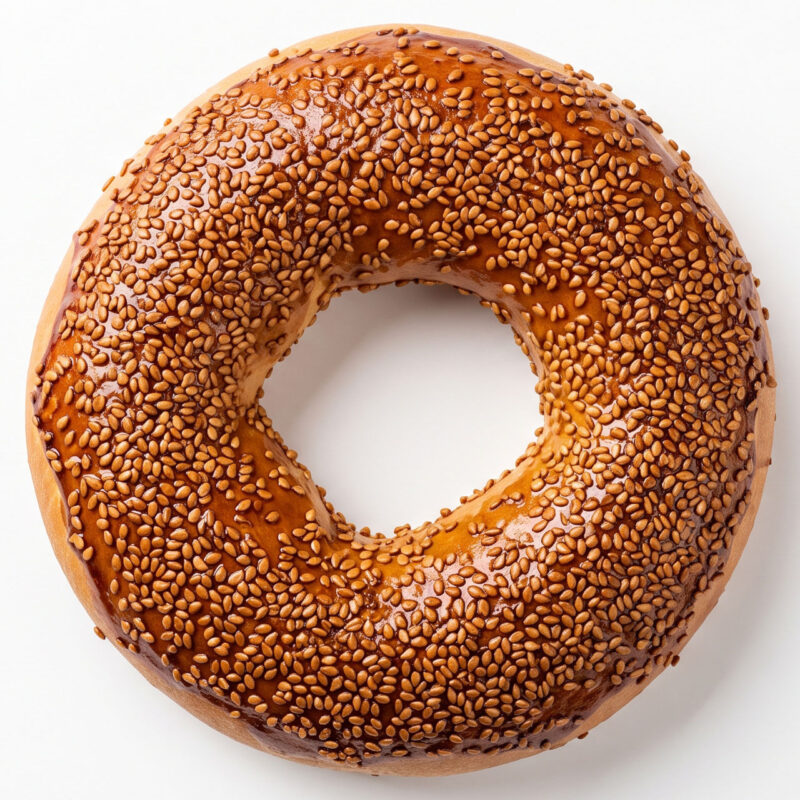





Related products
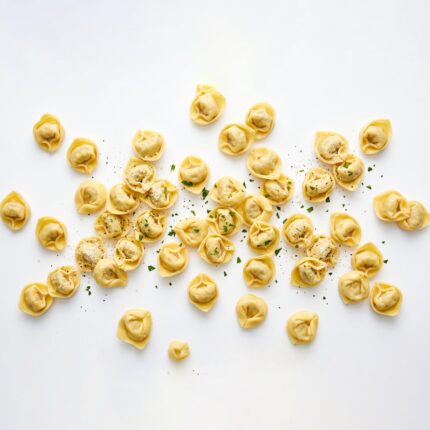
Chefhola Mediterranean Filled Pasta Tortellini
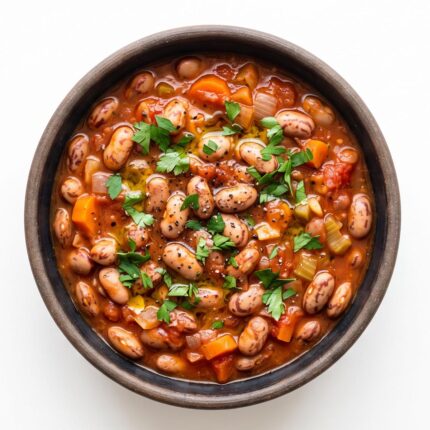
Chefhola Mediterranean Legumes Kidney Beans
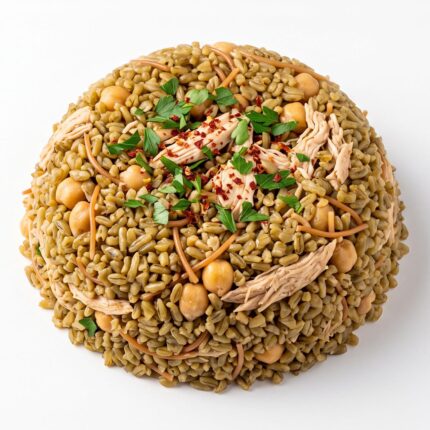
Chefhola Mediterranean Rices Firik Rice
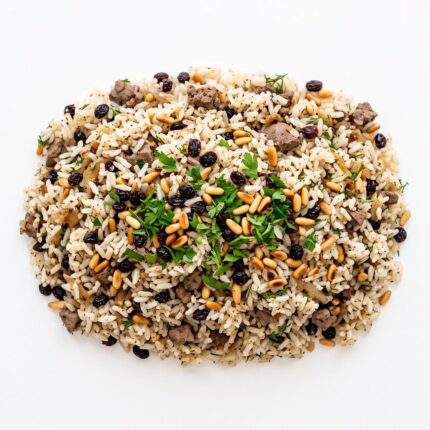
Chefhola Mediterranean Rices Inner Rice
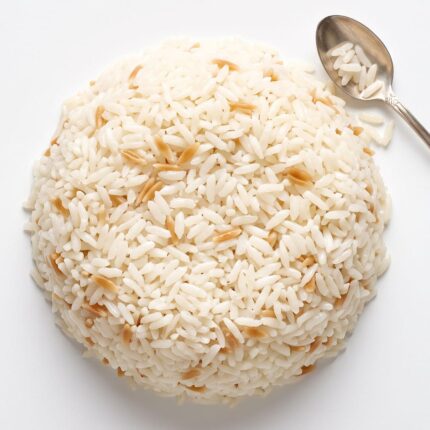
Chefhola Mediterranean Rices Rice Rice
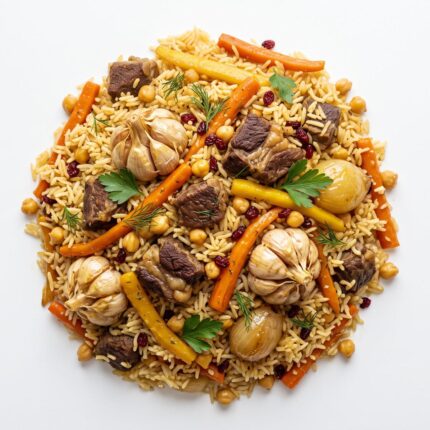
Chefhola Mediterranean Rices Uzbek Rice
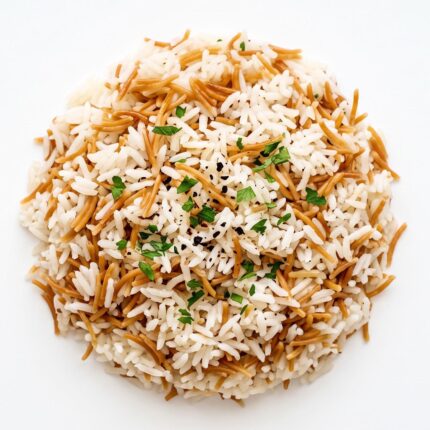
Chefhola Mediterranean Rices Vermicelli Rice
Reviews
There are no reviews yet.