The Strategic Impact of Visual and Video Recipes on Hospitality Brands and Search Engine Visibility

The Strategic Impact of Visual and Video Recipes on Hospitality Brands and Search Engine Visibility
Executive Summary
For modern hotel and restaurant owners, transitioning from traditional text-based recipes to comprehensive visual ecosystems (featuring high-quality pictures and videos) is no longer a luxury; it is a critical operational and marketing strategy. This report details the technical advantages, brand-building impact, and overall return on investment (ROI) generated by integrating rich media and structured data into culinary content.
The Strategic Impact of Visual and Video Recipes on Hospitality B1
The Strategic Impact of Visual and Video Recipes on Hospitality A1
The Strategic Impact of Visual and Video Recipes on Hospitality D2
1. Brand Building and Customer Perception
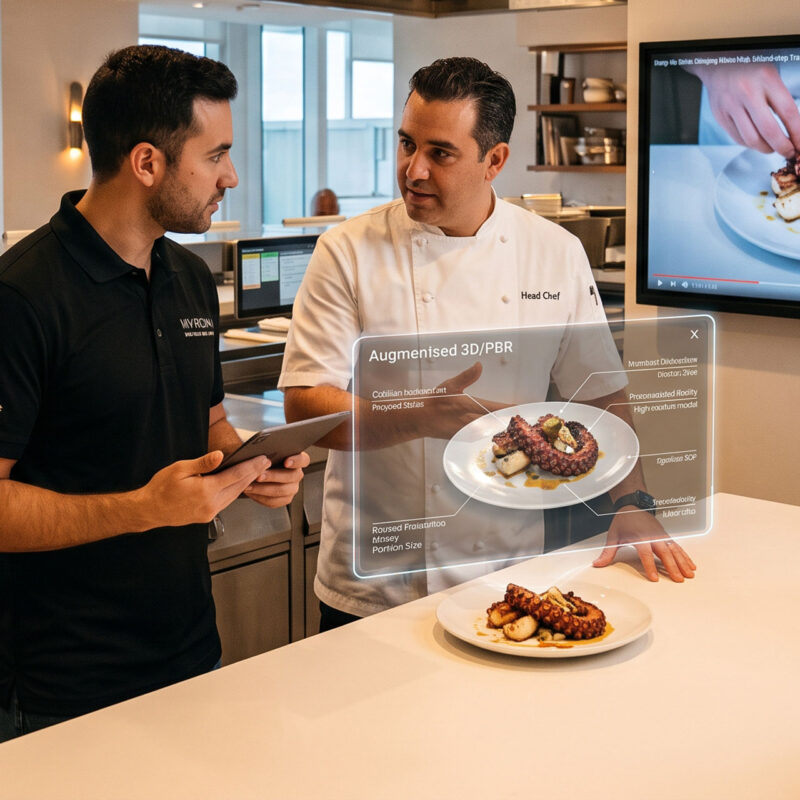
Visual consistency acts as the foundation of a restaurant’s digital promise. When a brand standardizes its visual output—from high-definition plating maps to dynamic video recipes—it establishes a sensory narrative that significantly influences consumer behavior.
-
Revenue Growth: Organizations that maintain consistent brand presentation across all touchpoints experience an average revenue increase of 23%.
-
Sales Impact: Integrating professional food photography into digital and physical menus has been shown to increase sales by 20–45%.
-
Flavor Perception: Visuals dictate taste expectations; 60% of diners state that the aesthetic presentation of a dish influences their perception of its flavor before they even consume it.
By utilizing dedicated visual styles (such as consistent lighting presets or specific color palettes), a hospitality brand creates a recognizable digital footprint that builds trust and premium positioning.
2. Technical SEO and Google Search Benefits
The core advantage of digital recipes lies in their ability to communicate directly with search engine algorithms through structured data.
Recipe Schema Markup (JSON-LD)
Schema markup is a standardized vocabulary that translates page content into machine-readable data. For culinary content, using Recipe schema allows Google to accurately categorize ingredients, cooking times, and nutritional facts.
-
Rich Results Eligibility: Properly marked-up recipes are eligible to appear as “Rich Results” in Google Search. Instead of plain text, these results feature star ratings, cooking times, calorie counts, and thumbnail images.
-
Carousel Inclusion: High-quality markup allows recipes to be featured in Google’s dedicated mobile recipe carousels, bypassing standard organic search competition.
-
AI-Search Readiness: Structured data grounds AI-driven search engines, ensuring they interpret the business’s culinary entities accurately and match them directly to user search intent.
3. The Advantages of Publishing Videos
While static images are highly effective, integrating video content amplifies engagement and technical visibility exponentially.
-
Cognitive Processing: The human brain processes visual imagery up to 60,000 times faster than text, making video the most efficient medium for conveying complex culinary techniques and brand atmosphere.
-
Enhanced Indexing: Implementing
Videoschema markup alongside recipe data helps Google award specific relevance badges to the content, particularly in Google Image and mobile search results. -
Traffic Generation: Embedding videos optimized with keyword-rich titles and descriptions directly drives additional organic traffic and significantly increases the time users spend on the page (dwell time), which is a positive ranking signal for search engines.
4. Visual Recipes vs. Traditional Text: The Prominence Gap
Businesses relying solely on traditional, text-based recipes face a severe disadvantage in digital recognition.
| Metric | Traditional Text Recipes | Visual & Video Recipes (with Schema) |
| Search Engine Display | Standard blue link and meta description | Rich snippets, images, ratings, and carousels |
| Organic Visibility | Often buried; great formatting goes unseen without SEO | Prominent placement in Featured Snippets and Discover feeds |
| Click-Through Rate (CTR) | Low to Average | Significantly higher due to eye-catching multimedia elements |
| Image Requirements | N/A | Requires 1:1, 4:3, and 16:9 ratios (1200px+ wide) for optimal indexing |
5. Overall Business Contribution and ROI
The integration of visual recipes and technical SEO contributes directly to the bottom line by transforming passive readers into active consumers.
-
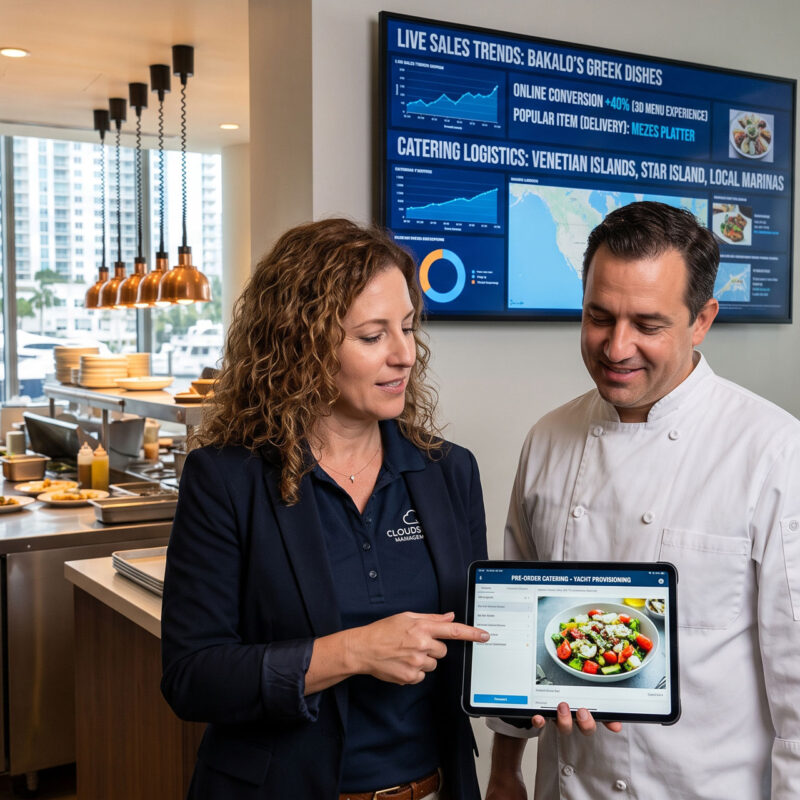
Shoppable Ecosystems: Digital recipes can be converted into direct sales funnels. Using specific integrations, businesses can create “shoppable recipes” that link ingredients directly to online stores, turning recipe views into immediate purchases.
-
Monetization & Partnerships: High search engine rankings driven by visual SEO unlock secondary revenue streams, including premium brand partnerships, affiliate marketing, and ad revenue.
-
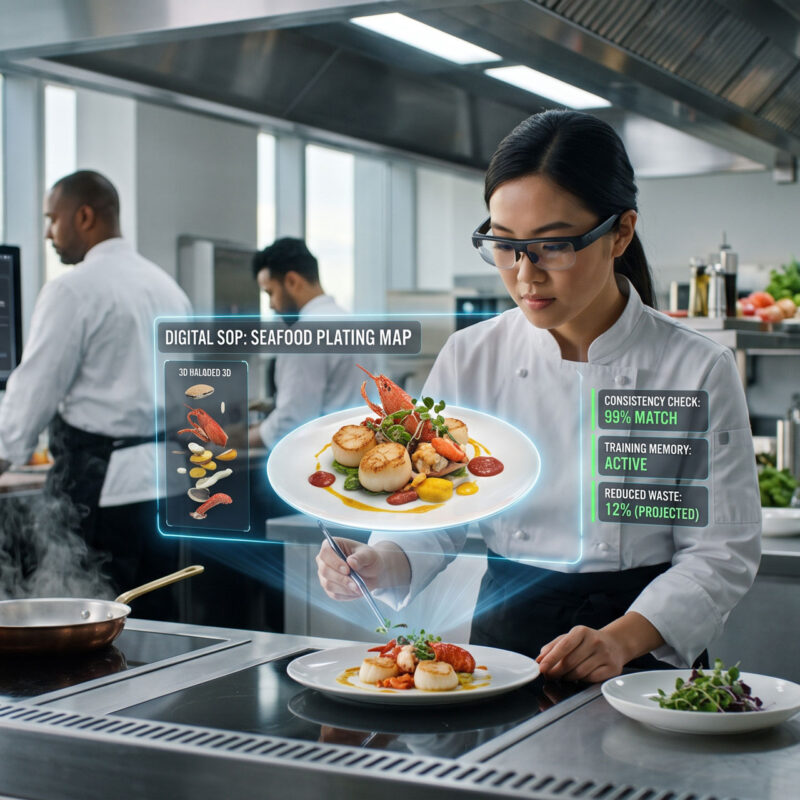
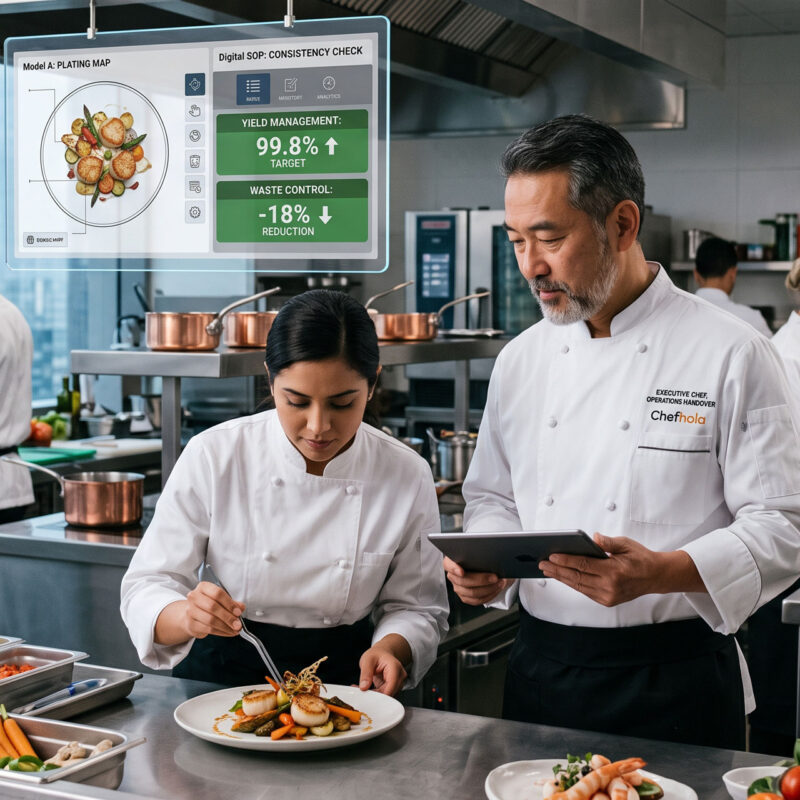
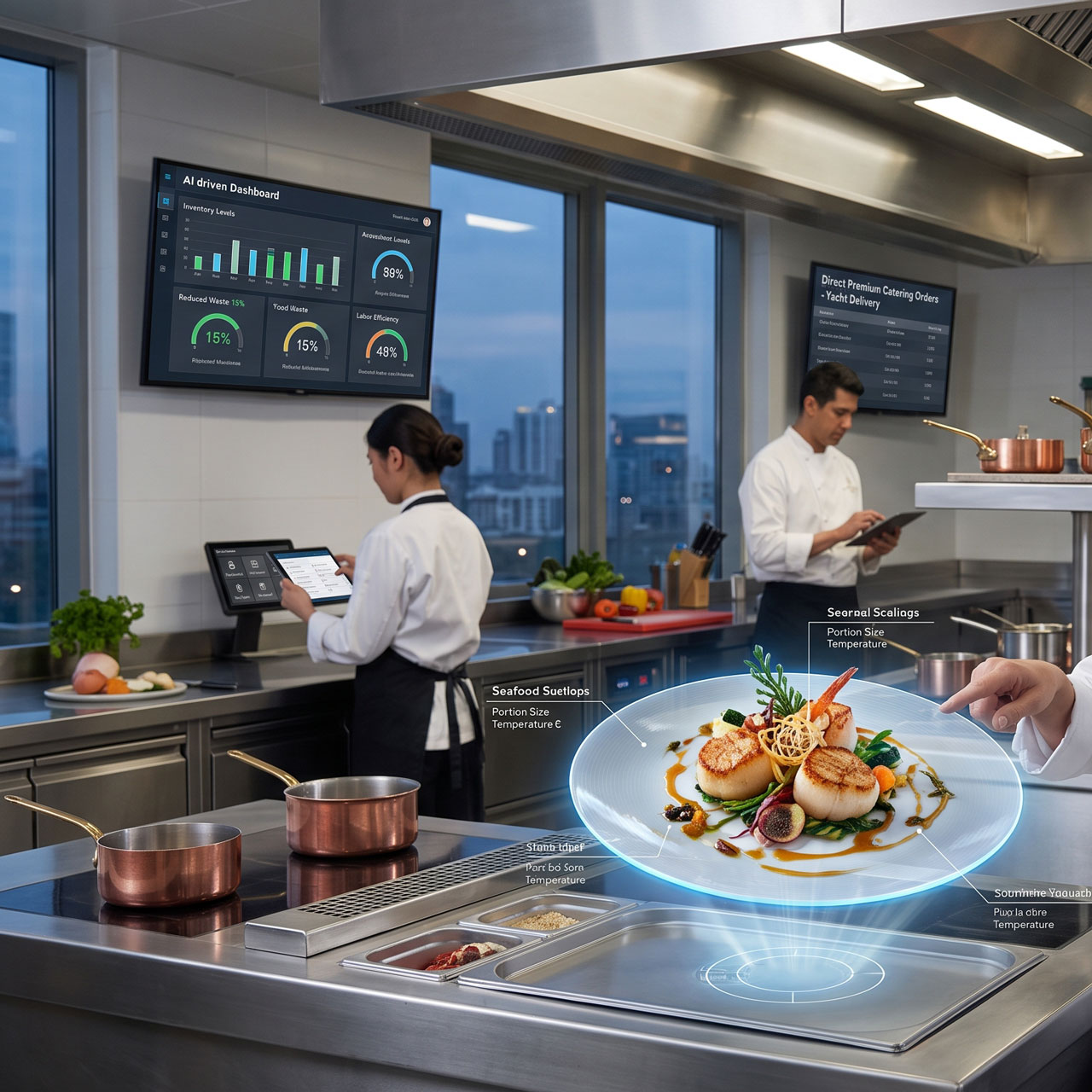
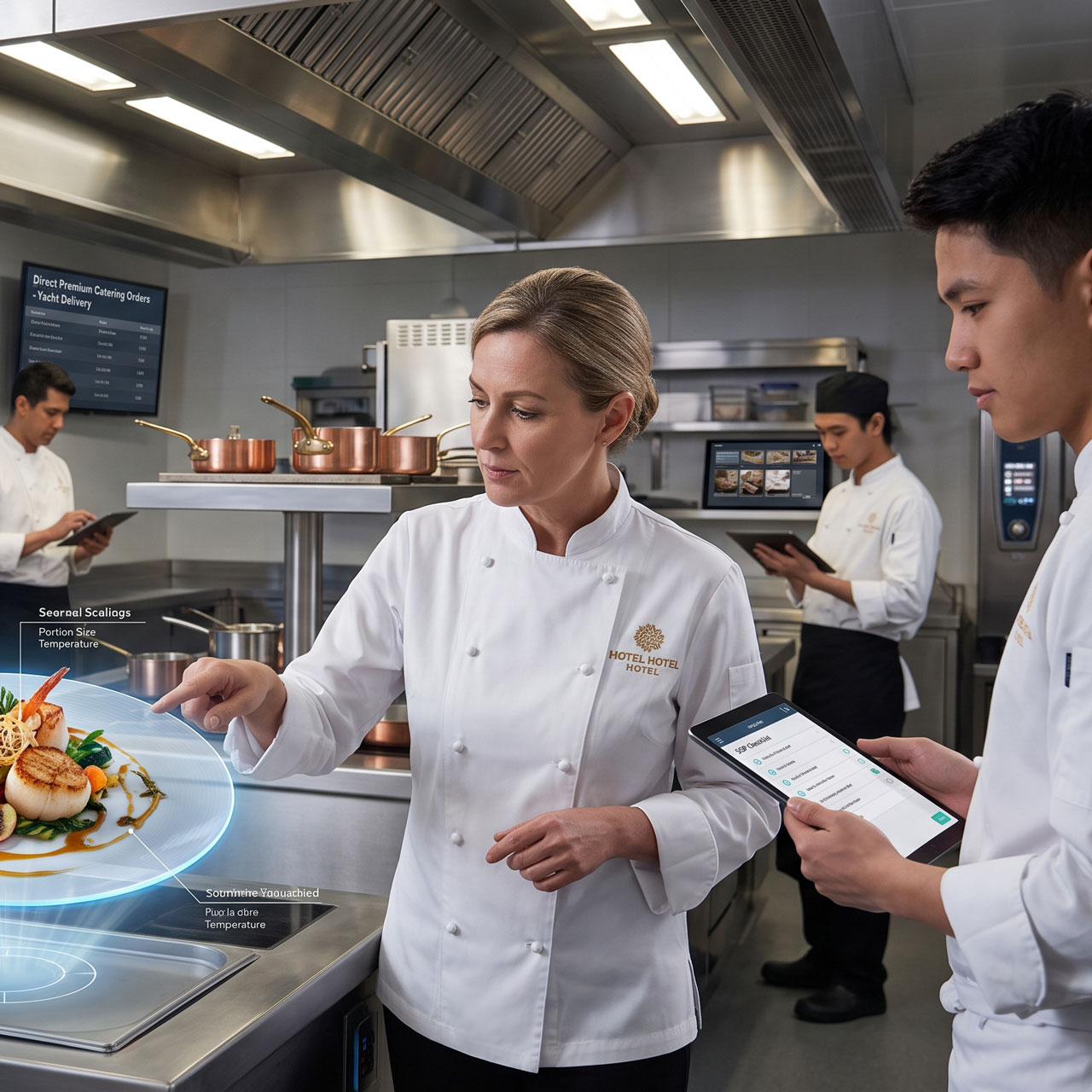
Operational Efficiency: Establishing a public-facing, highly detailed visual recipe database also serves as an internal digital Standard Operating Procedure (SOP), indirectly reducing training costs and ensuring quality standardization across the hospitality enterprise.
External Links for Further Reading
#RestaurantSEO #HospitalityTech #RecipeSchema #BrandBuilding #VisualMarketing #FoodTech #DigitalTransformation #RestaurantManagement