
Chefhola Bakery Breads Phyllo Dough Bread
$3.50
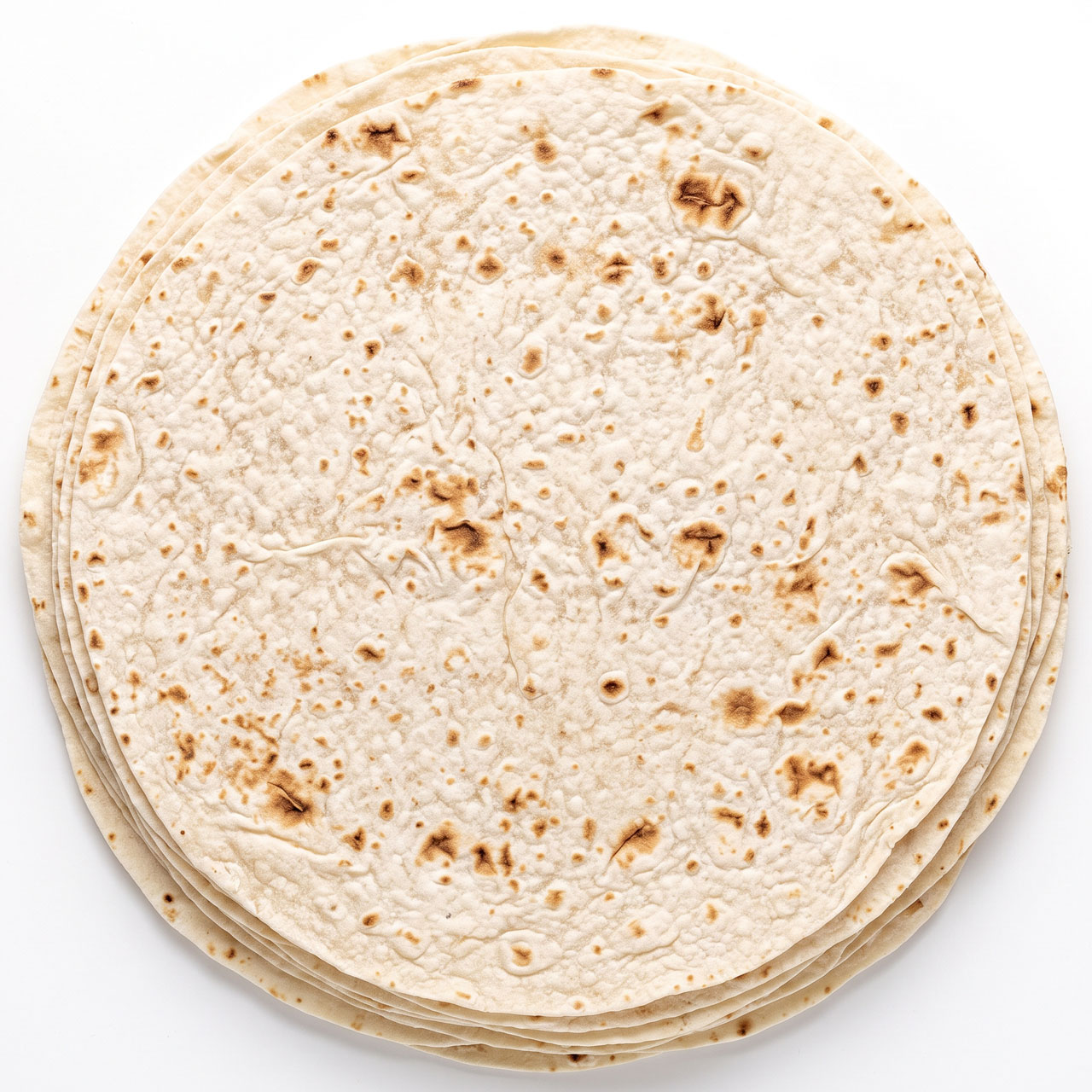
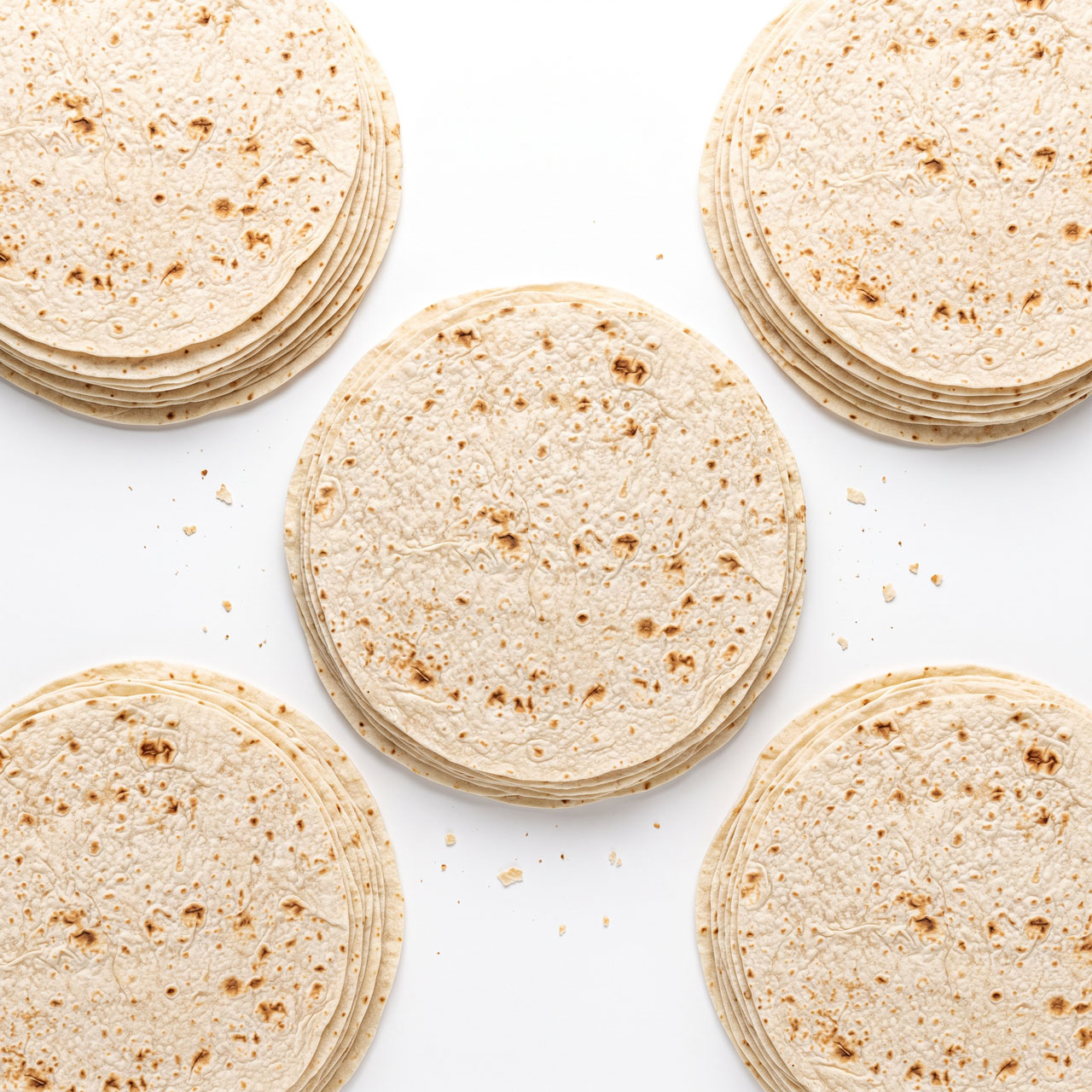
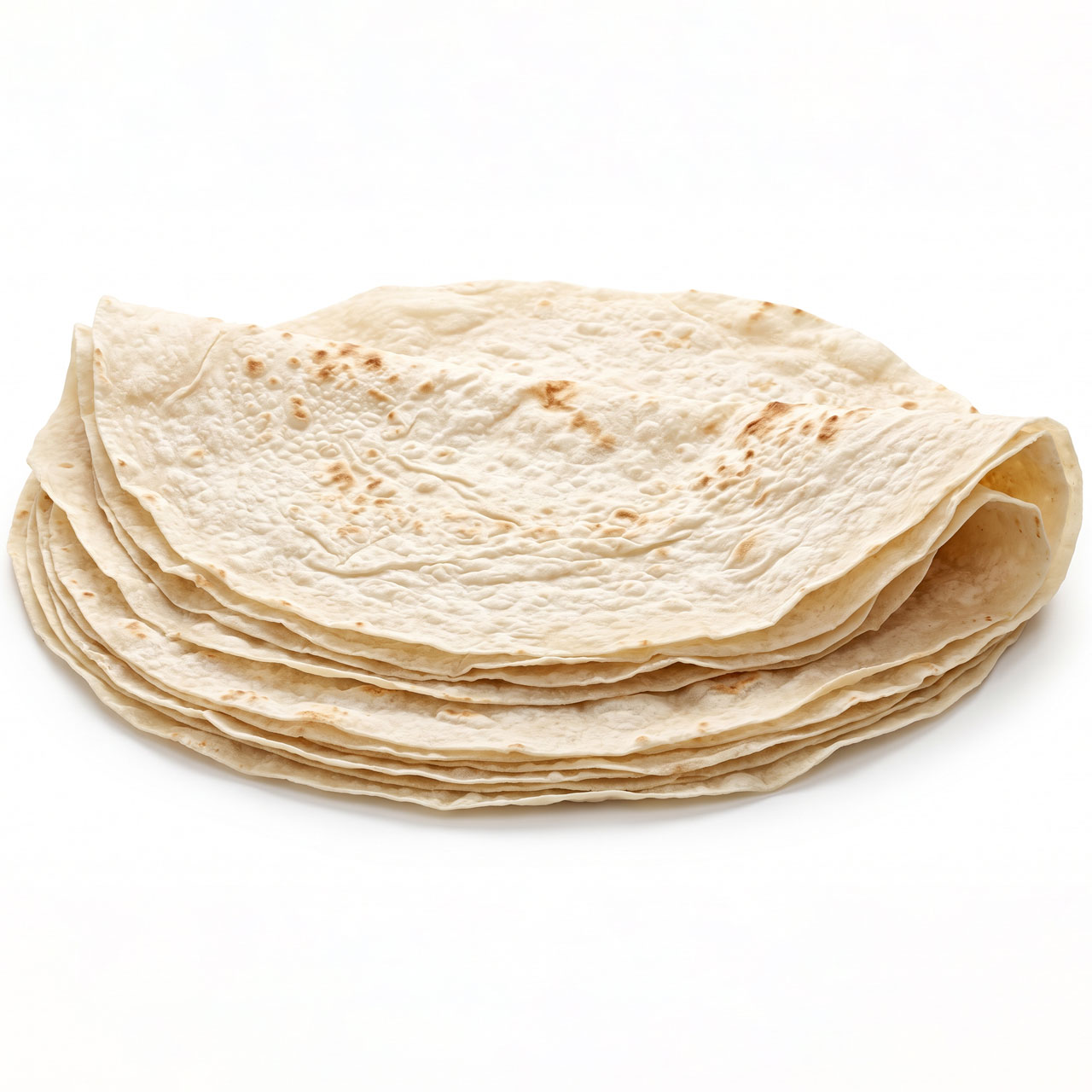
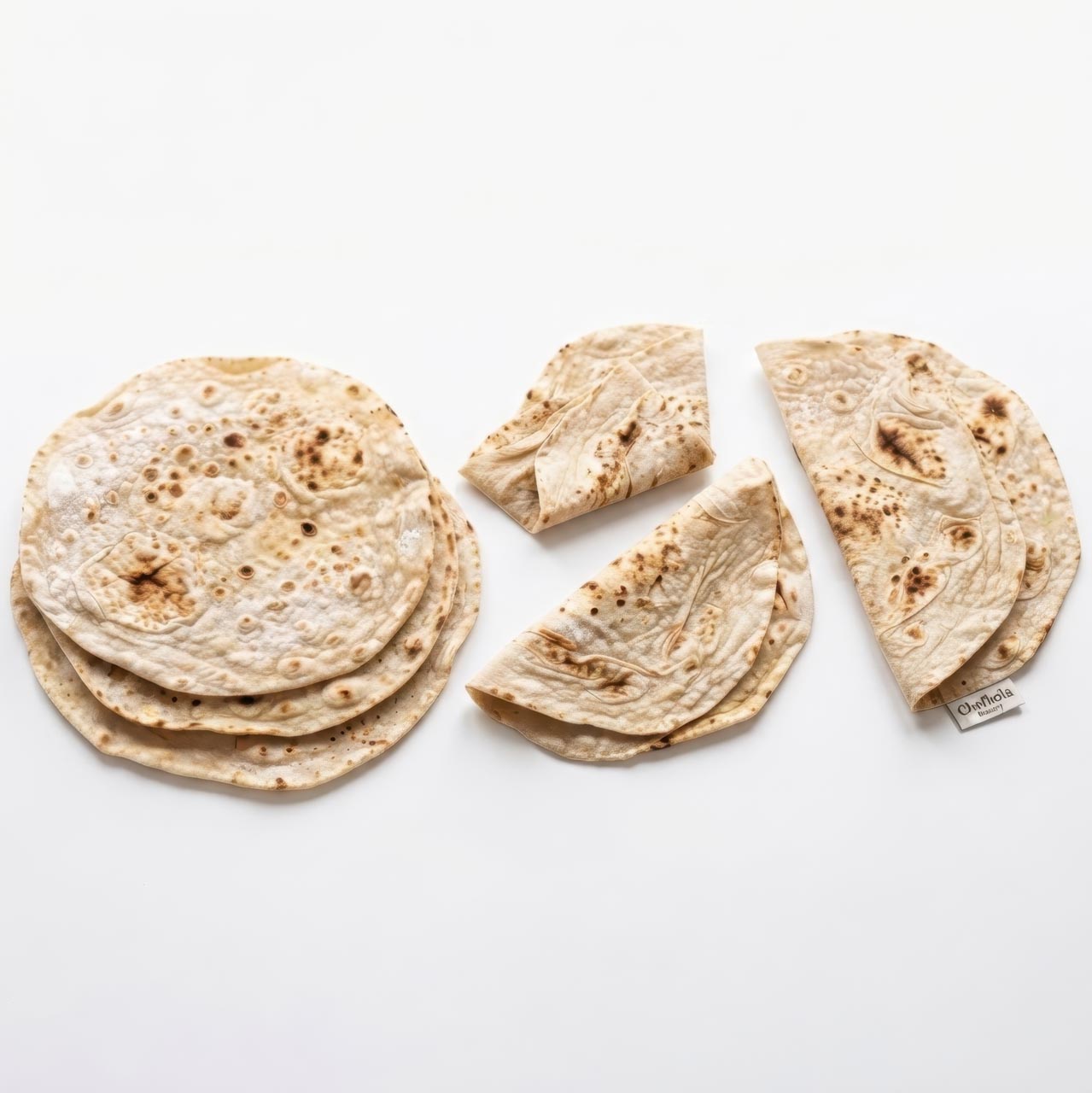
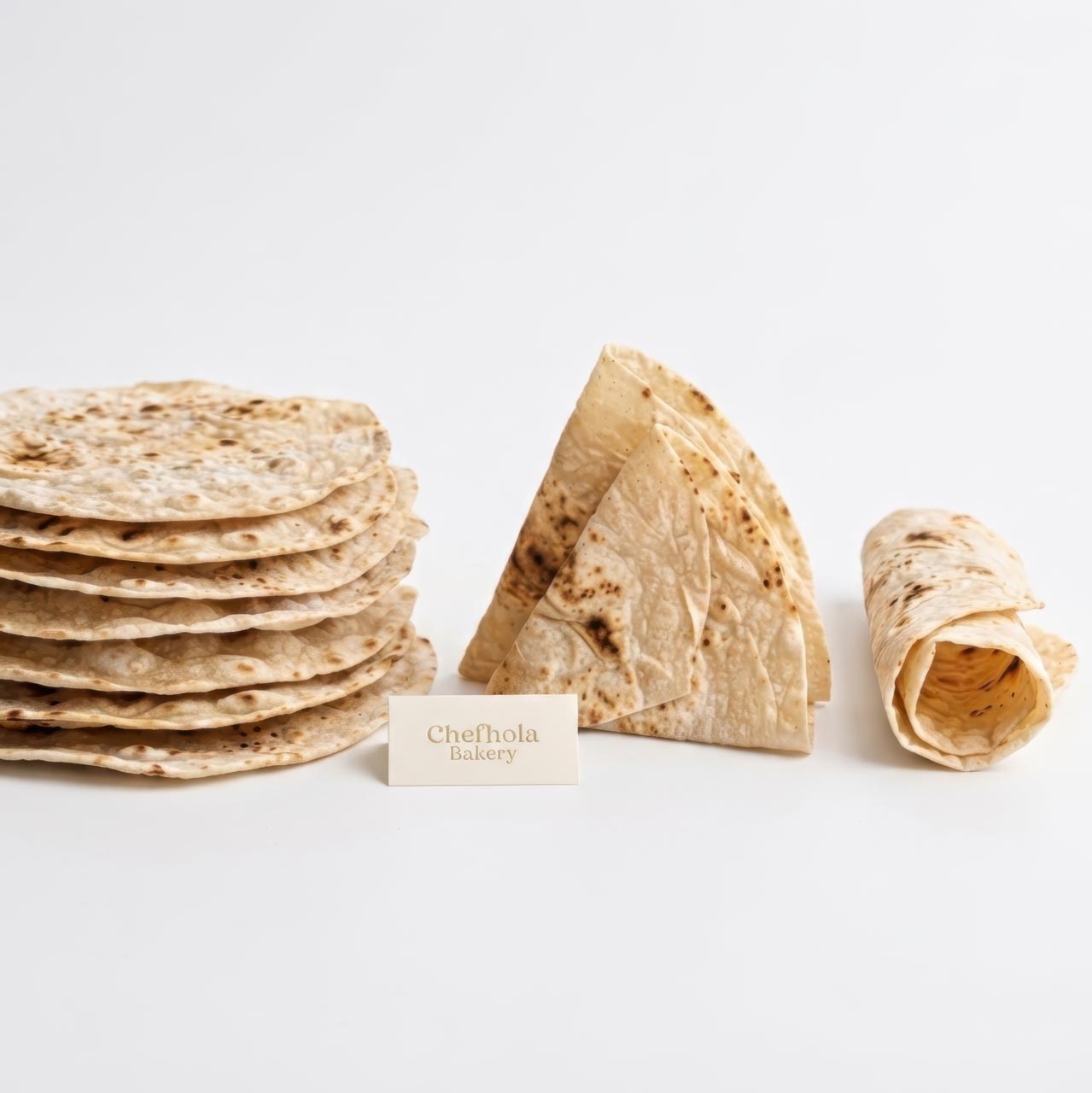
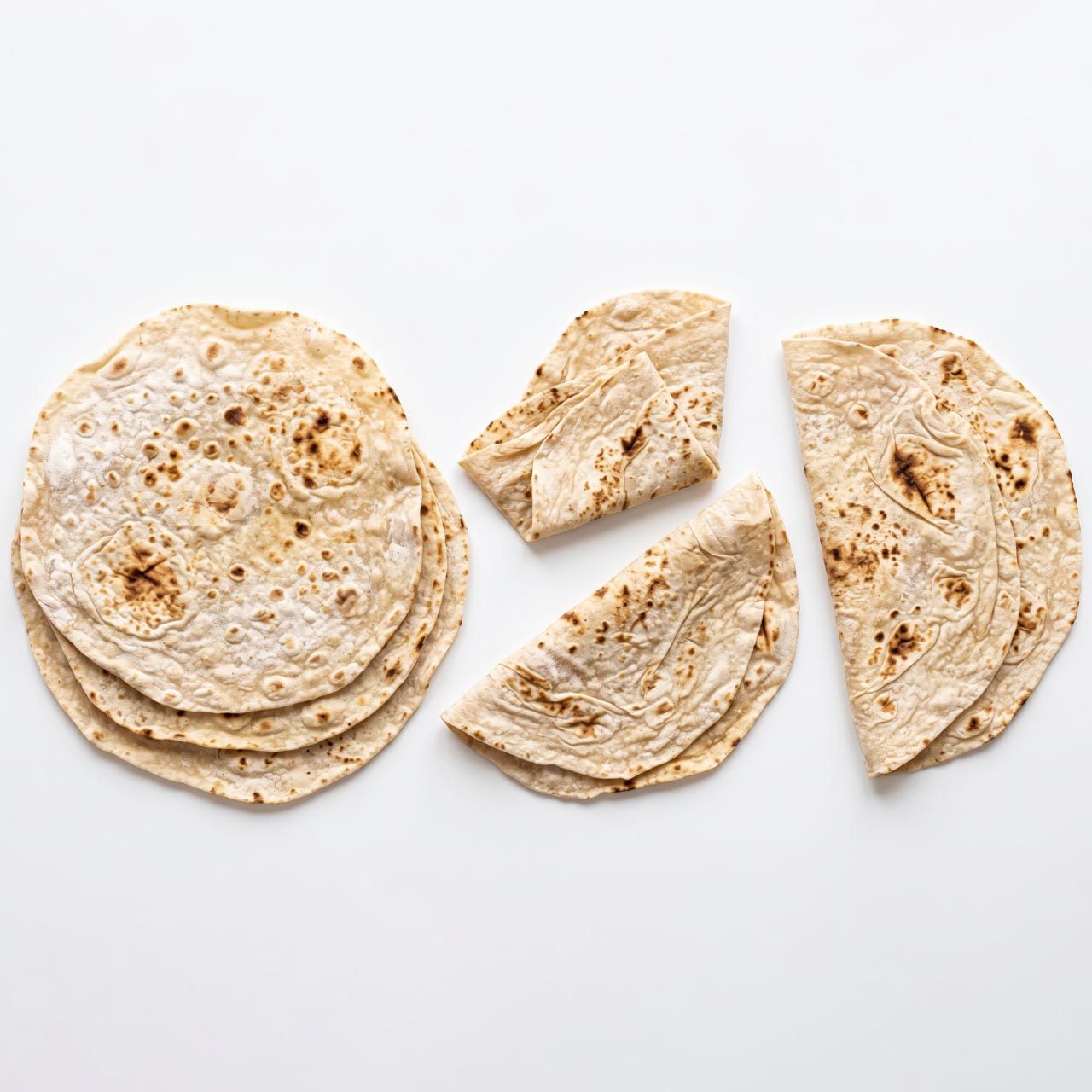
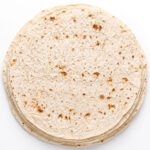
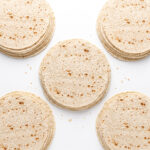
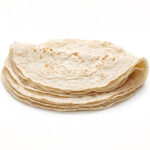
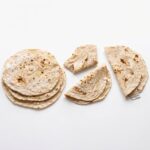
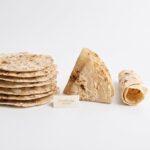
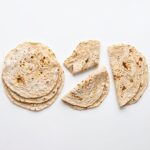
Discover the authentic taste of tradition with Yufka, an unleavened, paper-thin flatbread that serves as the ultimate cornerstone of Anatolian culinary heritage. Perfect for modern pantries yet steeped in centuries of history, this artisanal bread delivers unbeatable practicality without compromising on wholesome quality.
Yufka Bread: A Timeless Flavor of Anatolia
Dish Summary
Discover the authentic taste of tradition with Yufka, an unleavened, paper-thin flatbread that serves as the ultimate cornerstone of Anatolian culinary heritage. Perfect for modern pantries yet steeped in centuries of history, this artisanal bread delivers unbeatable practicality without compromising on wholesome quality.
Key Product Features:
- Exceptional Versatility: The ideal canvas for wraps, layered savory pastries, or fresh table bread.
- Extended Shelf Life: Naturally crafted to last for months without spoiling or losing its integrity.
- Clean Nutrition: A simple, nourishing staple free from commercial preservatives.
Historical Context
The story of yufka is rooted in the nomadic Turkic culture of Central Asia. For nomadic riders traversing vast steppes, it was vital to have a dependable food source that was both incredibly easy to transport and capable of lasting for months. As these communities settled in Anatolia, the masterful technique was carefully preserved. Today, traditional “yufka days”—where the bread is rolled and baked collectively—remain a beautiful, living symbol of social solidarity and community cooperation.
Recipe and Ingredients
Crafting yufka requires nothing more than four premium, fundamental ingredients and the proper rolling technique.
What You Will Need:
- Flour: 1 kg (pastry or “type 550” flour yields the best results)
- Water: 500–600 ml (lukewarm for optimal dough hydration)
- Salt:5 tablespoons
- Vinegar (Optional): 1 tablespoon (highly recommended to increase dough elasticity and tear-resistance)
Preparation Process
- Kneading: Sift the flour into a large mixing bowl to aerate. Form a well in the center, add the salt and lukewarm water, and knead vigorously until you achieve a firm, beautifully smooth dough that pulls away cleanly from your hands.
- Resting: Portion the dough into 20 even dough balls (bezeler). Cover them gently with a damp cloth and allow them to rest for 30 minutes to relax the gluten.
- Rolling: On a well-floured surface, use a traditional rolling pin (oklava) to roll each ball until it is uniformly paper-thin and perfectly sized to match your cooking sac (traditional griddle) or skillet.
- Cooking: Sear on a pre-heated sac or a large non-stick pan. Cook for 1–2 minutes per side until signature light brown, toasted spots emerge.
- Moistening (Optional): For long-term winter storage, leave the freshly baked yufka to dry completely. For immediate, fresh consumption, soften the bread by layering it between clean cloths and lightly misting it with water.
Recipe Tips
- Mastering Thinness: Dust generously with flour while rolling to prevent sticking, but always shake off the excess before hitting the heat to avoid bitter, burnt flour notes.
- Precision Heat Control: Ensure your sac or pan is thoroughly pre-heated. A cooking surface that is too cool will cause the yufka to slowly dry out and become brittle rather than cooking to a perfect, pliable finish.
- Maximum Flexibility: To create a perfectly foldable yufka that won’t crack, sprinkle a light mist of water over the bread immediately after removing it from the heat, then cover it instantly with a cloth to trap the steam.
Serving Suggestions
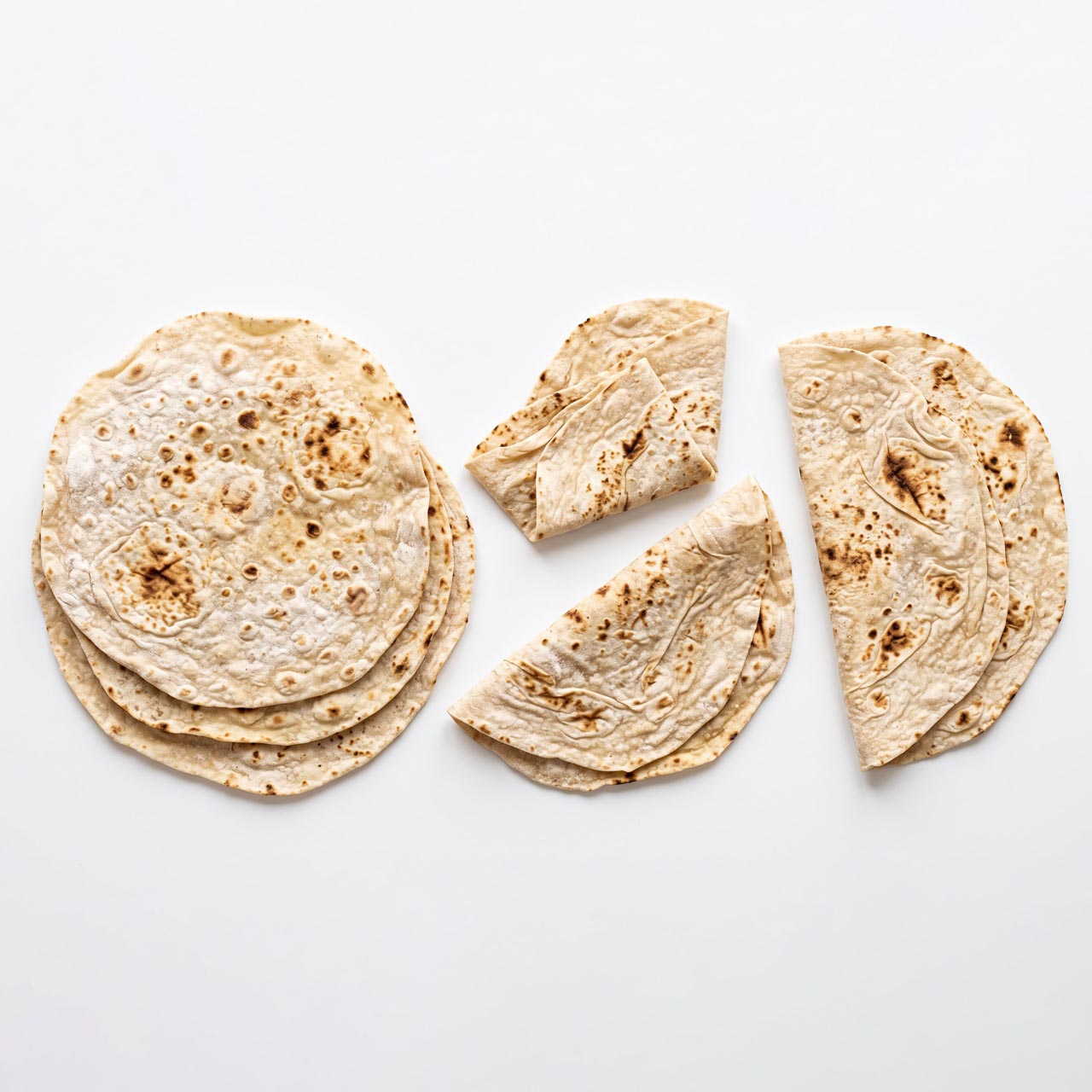
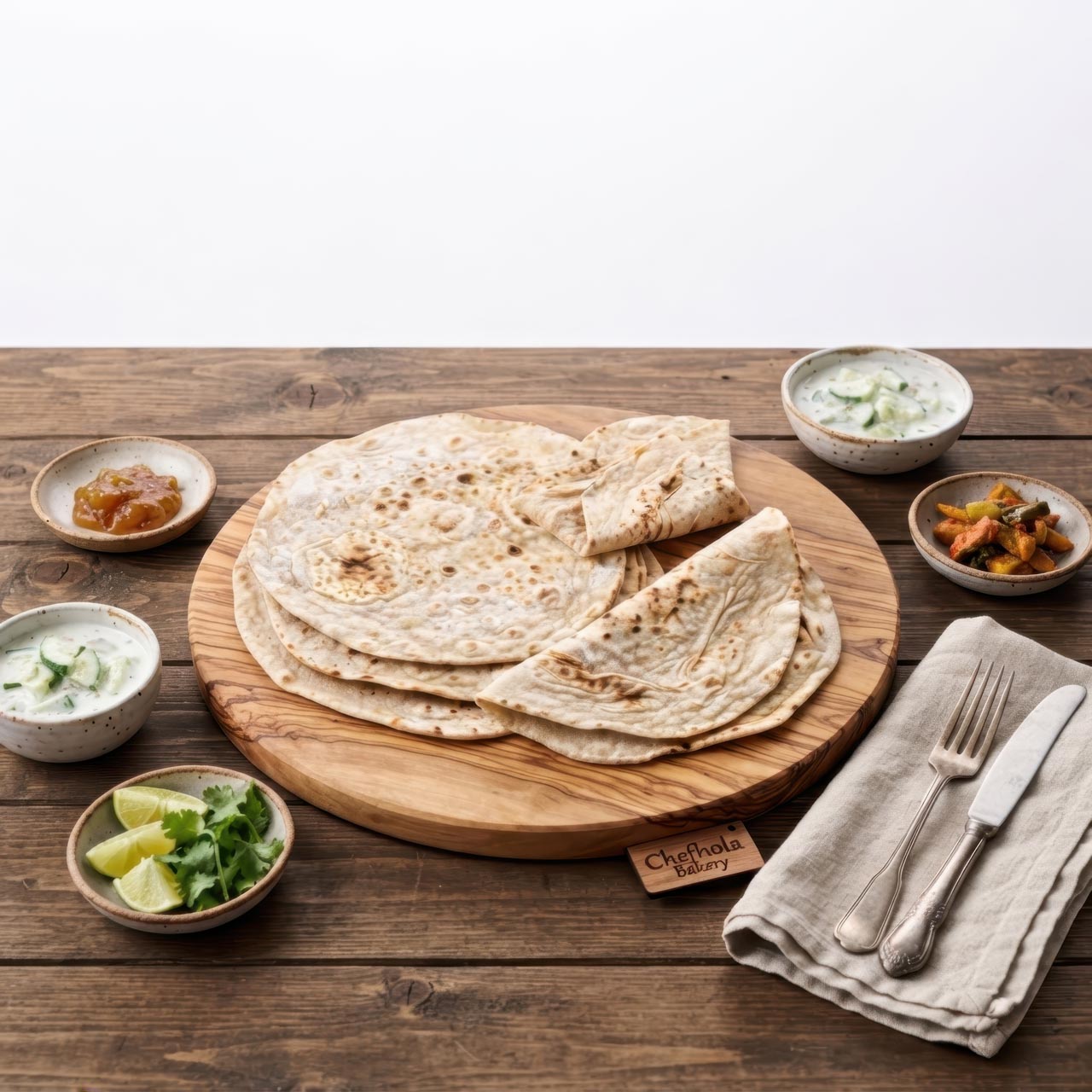
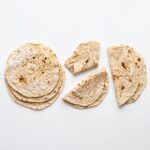
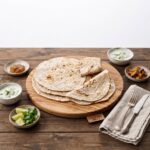
Transform your meals by serving yufka tightly wrapped as a dürüm (stuffed with rich cheeses, fresh greens, or grilled kebab meats). It is equally delicious folded into neat, triangular slices for dipping, or prepared as a traditional Sıkma—tightly rolled and filled with a savory blend of curd cheese (çökelek), fresh parsley, and melted butter.
Nutritional Values
(Approximate per serving)
- Calories: 180 kcal
- Carbohydrates: 38g
- Protein: 5g
- Fiber:5g
- Fat:5g
Category and Global Standing
- Product Category: Bread / Artisanal Dough Products.
- Global Context: Yufka shares the same culinary family tree as the Mexican Tortilla and the Middle Eastern Lavash. However, true Anatolian yufka stands entirely in a league of its own, distinguished by its exceptionally thin, delicate, and crispier structure.
Who is this for?
Yufka is the perfect match for culinary enthusiasts who love authentic, traditional flavors, busy households seeking a practical, bulk-storable bread solution, and anyone looking for a clean-label carbohydrate (Note: Not recommended for gluten-free diets).
Allergy Warning
Contains Gluten. This product is made from wheat flour and is not suitable for individuals with wheat allergies, Celiac disease, or gluten intolerances.
Why should you eat this?
Experience the peace of mind that comes with a completely natural, additive-free bread. Yufka provides a highly satisfying, healthy source of energy with an exceptionally low fat content. Its unmatched practicality and premium texture will elevate everything from a quick breakfast wrap to an elaborate dinner spread.
Helpful Information & Resources
- Storage Longevity: When properly dried and stored in a cool, dry place, yufka will reliably maintain its freshness and flavor profile for months.
- Further Reading: Harvard Health: Carbohydrates
Frequently Asked Questions
- How should I store yufka?
Keep your dried yufka in breathable fabric bags in a cool, dark, and dry pantry away from direct sunlight to maximize its shelf life. - My yufka dried out, what should I do?
Reviving it is effortless! Simply mist it with a few drops of water or wrap it briefly in a damp kitchen towel to instantly restore its soft, pliable texture. - Does yufka cause weight gain?
Yufka is a clean, healthy energy source when enjoyed with proper portion control. Like any carbohydrate-rich food, excessive consumption without a balanced lifestyle can contribute to weight gain. - Can it be stored in the freezer?
Freshly cooked, pliable yufka can be folded, placed in an airtight container or freezer bag, and stored frozen for up to 3 months.
Zero Waste Note
Never throw away leftover or broken yufka! Transform stale pieces into gourmet “Yufka Crisps” by breaking them into bite-sized shards, tossing them with a touch of olive oil and spices, and toasting them in the oven. They make a brilliant, crunchy crouton substitute for rustic soups and fresh salads.
#Yufka #AnatolianCuisine #TraditionalFlavors #BreadRecipe #ZeroWaste #Homemade #HealthyEating #RegionalFlavors
| Color | Beige, Black, Blue, Brown, Yellow |
|---|






Related products
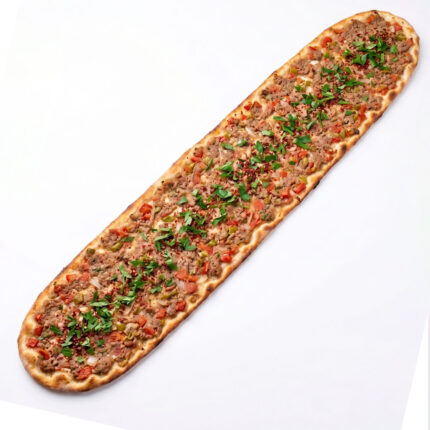

Chefhola Bakery Breads Meat Bread
Experience the ultimate flavor feast of Konya cuisine with Etli Ekmek, an iconic Anatolian delicacy. Masterfully prepared with a finely rolled, crispy dough, it is crowned with a vibrant, specialized mixture of fresh ground meat, onions, tomatoes, and peppers, traditionally baked to perfection in a stone oven over a wood fire. While often compared to lahmacun, Etli Ekmek stands in a league of its own, characterized by its signature length, exceptional thinness, and rich topping density.
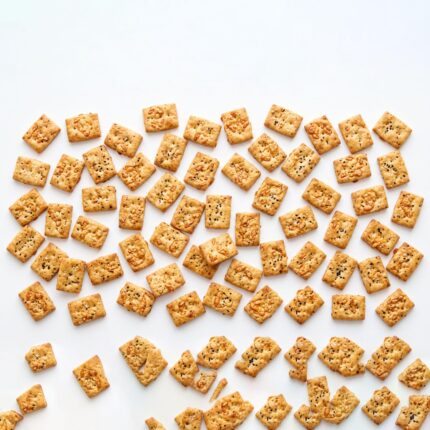
Chefhola Bakery Crackers White Cheese Salted Cracker
Say goodbye to bland, store-bought snacks. This homemade, delightfully crispy, and intensely cheesy snack is about to become your new kitchen staple. Crafted with real, aged cheese and high-quality fats, these crackers deliver a satisfying, melt-in-your-mouth texture and an addictive flavor profile that elevates everyday snacking into a gourmet experience.
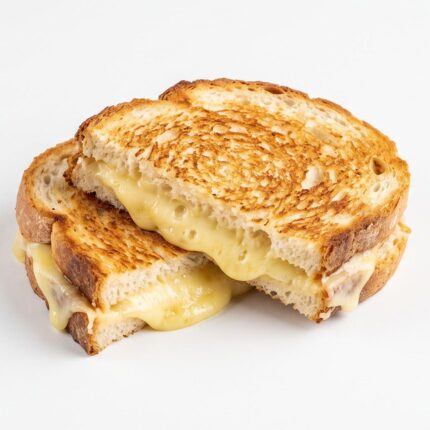
Chefhola Bakery Mini Sandwiches Cheddar Sandwich
Experience the ultimate comfort food with our signature Kasseri Cheese Sandwich. Merging warm, perfectly melted cheese with an irresistibly crispy bread texture, this global classic is ready in just minutes. It stands as an indispensable choice for a revitalizing breakfast or a lightning-fast lunch for those on the go.
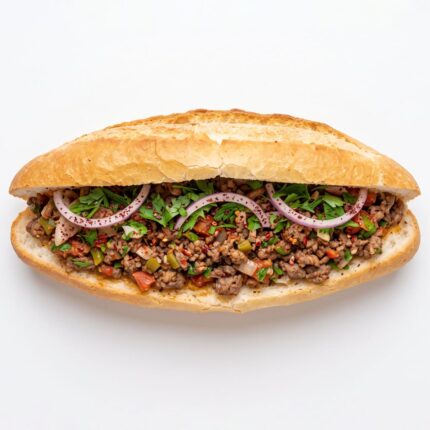
Chefhola Bakery Mini Sandwiches Savory Ground Beef Sandwich
Upgrade your comfort food experience with our modern take on the classic ground meat sandwich. This practical, filling, and wildly popular dish masterfully blends finely ground meat with fresh vegetables and a rich, savory, slightly tomato-based sauce, all served warm inside pillowy soft sandwich buns.
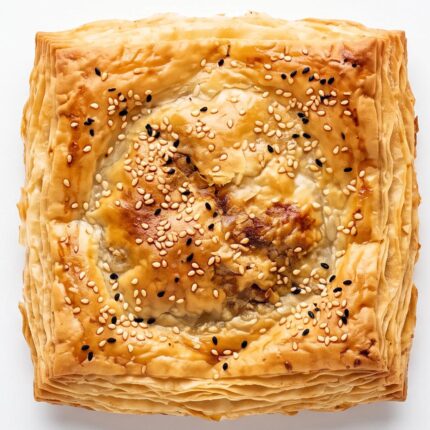
Chefhola Bakery Pastries Minced Meat Shredded Pastry
Treat yourself to Talaş Böreği, a sophisticated, single-portion pastry featuring a rich, spiced filling of minced meat and garden vegetables enveloped in crispy, flaky puff pastry or layered phyllo dough. As an elegant savory centerpiece of Ottoman cuisine, this dish brings gourmet bakery quality directly to your table, appealing perfectly to both the eyes and the palate.
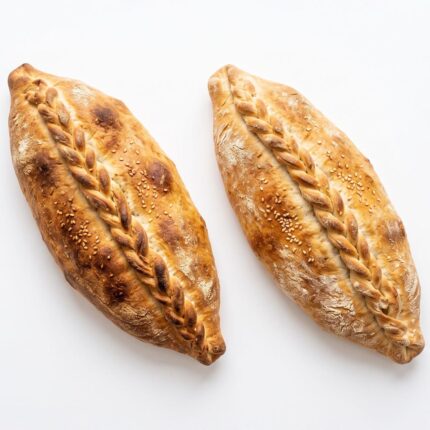
Chefhola Bakery Pides Closed Bread
Welcome to the ultimate comfort food experience! Closed Pita (Kapalı Pide) is one of the most beloved and highly sought-after pastries in Turkish cuisine. This signature "pocket" style pita bread is meticulously crafted by enveloping a rich, savory filling inside thinly rolled, leavened dough. Baked to a flawless golden brown, it delivers a deeply satisfying and delicious culinary experience right to your table.
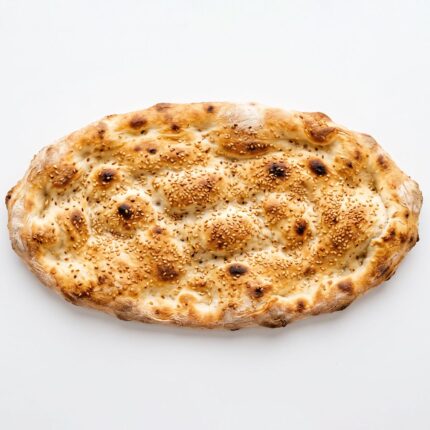
Chefhola Bakery Pides Plain Pide
Bring the authentic, artisanal taste of Türkiye directly into your home kitchen. Plain pide is a classic, high-temperature baked pastry that delivers the ultimate textural contrast: a delightfully crispy, golden-brown exterior giving way to a cloud-like, soft interior. Crowned with aromatic sesame and nigella seeds, this premium flatbread is an indispensable, mouth-watering companion to any meal.
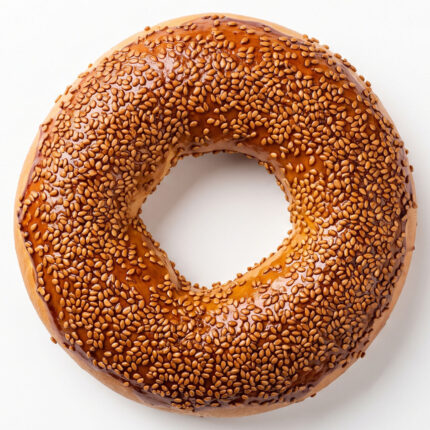
Chefhola Bakery Simit Molasses Simit
Experience the golden crunch of Anatolia. Pekmezli Simit offers a masterclass in texture and flavor, featuring a shatteringly crisp exterior layered over a soft, airy crumb. Coated entirely in toasted sesame seeds and caramelized to perfection with traditional grape molasses, this iconic staple elevates any breakfast table.
Reviews
There are no reviews yet.