
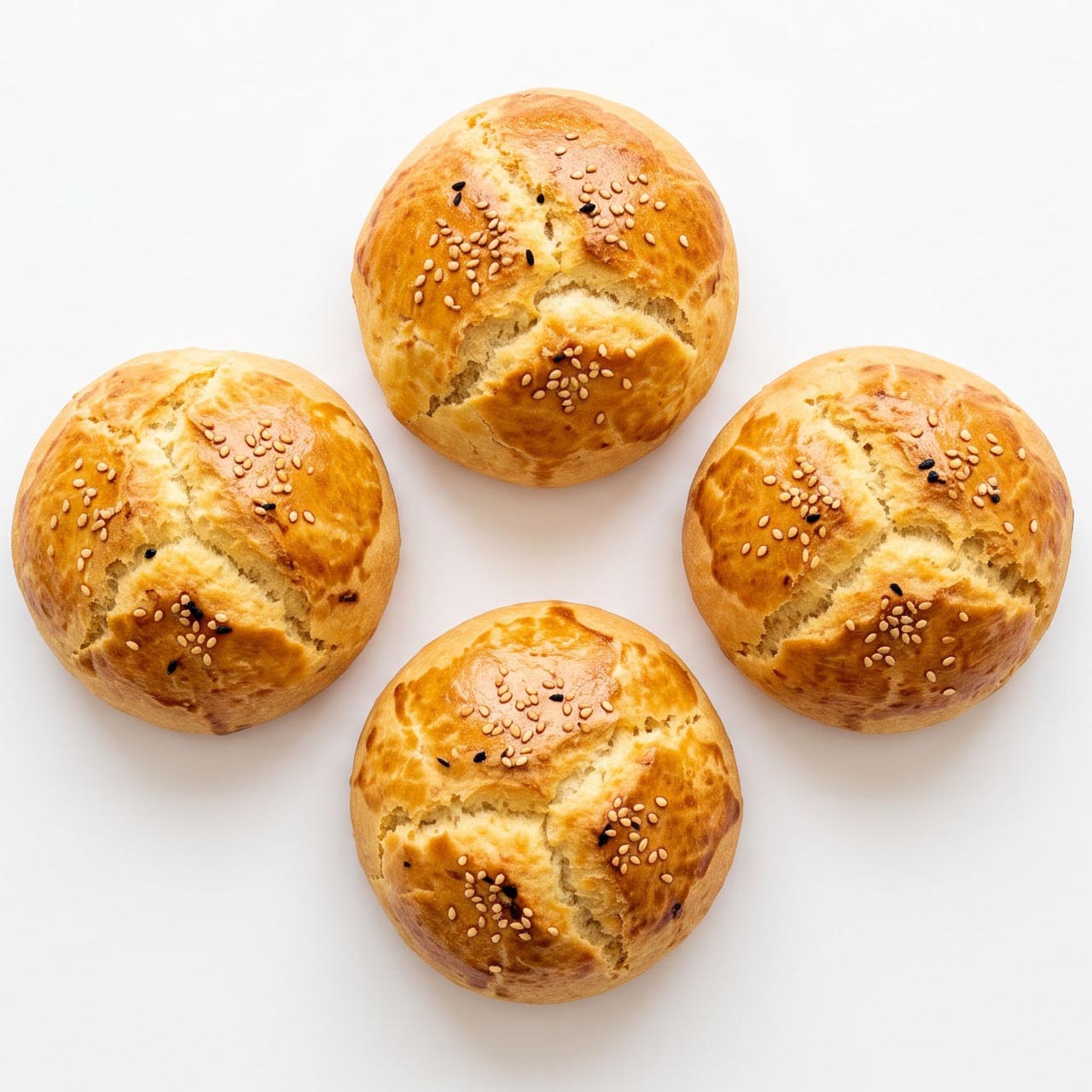
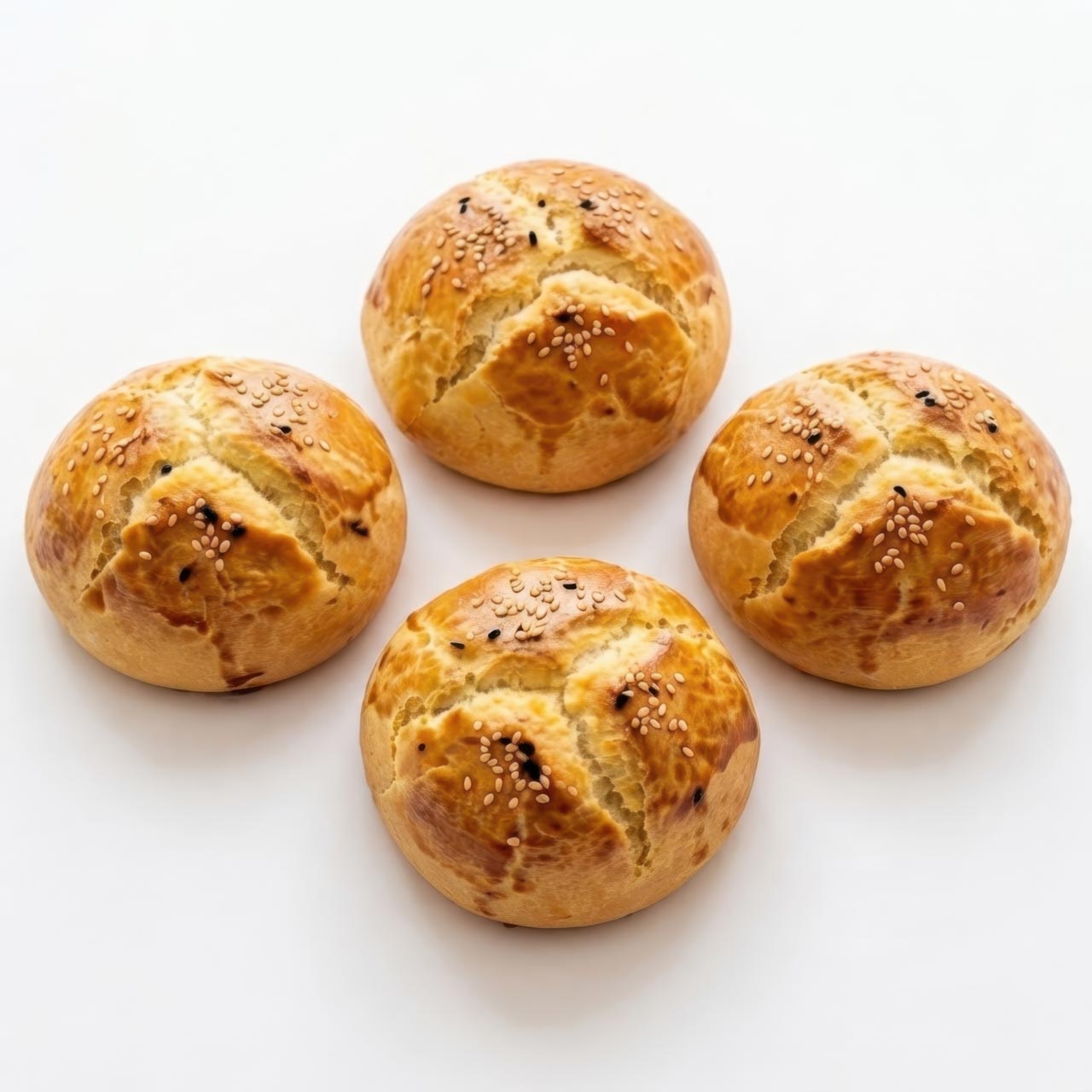
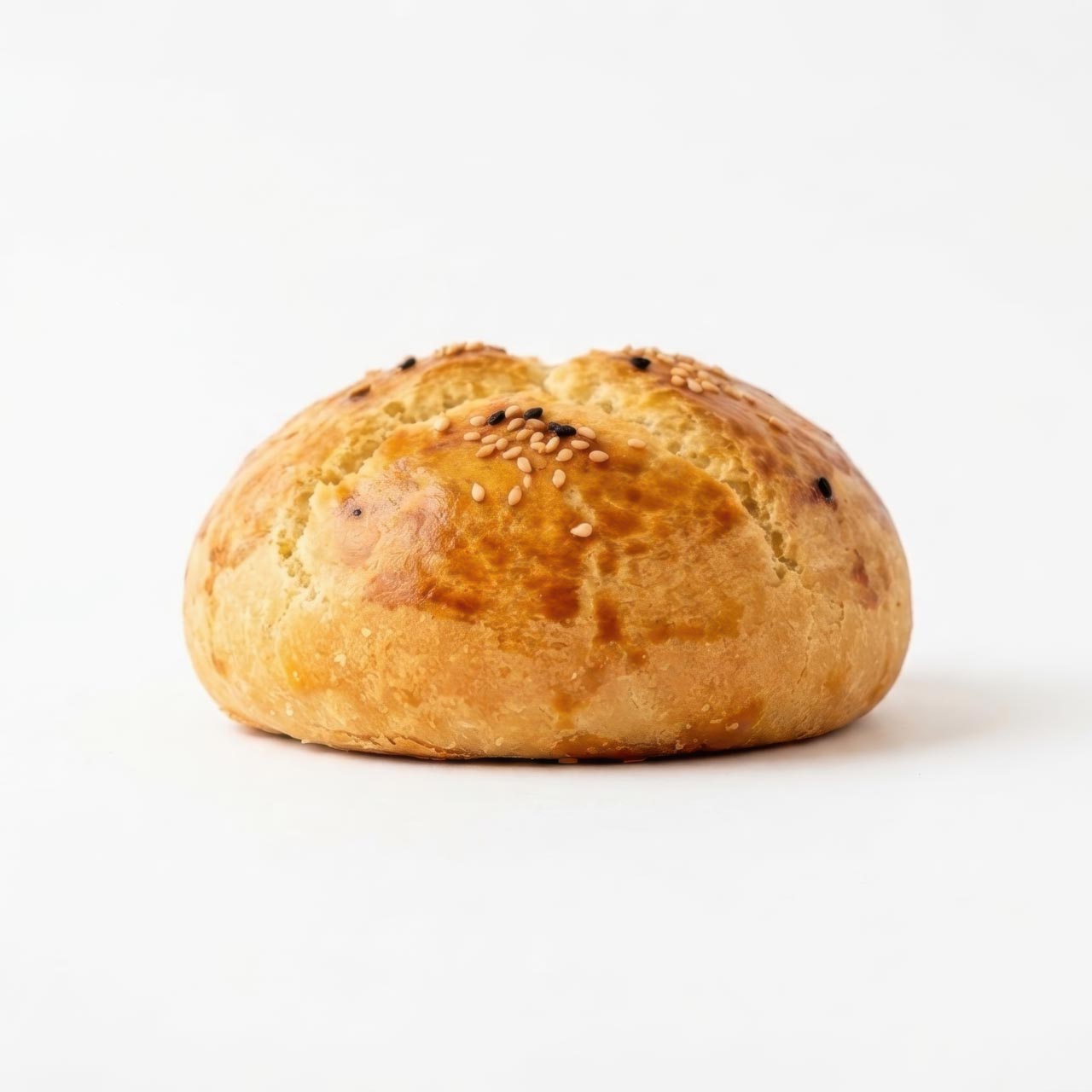
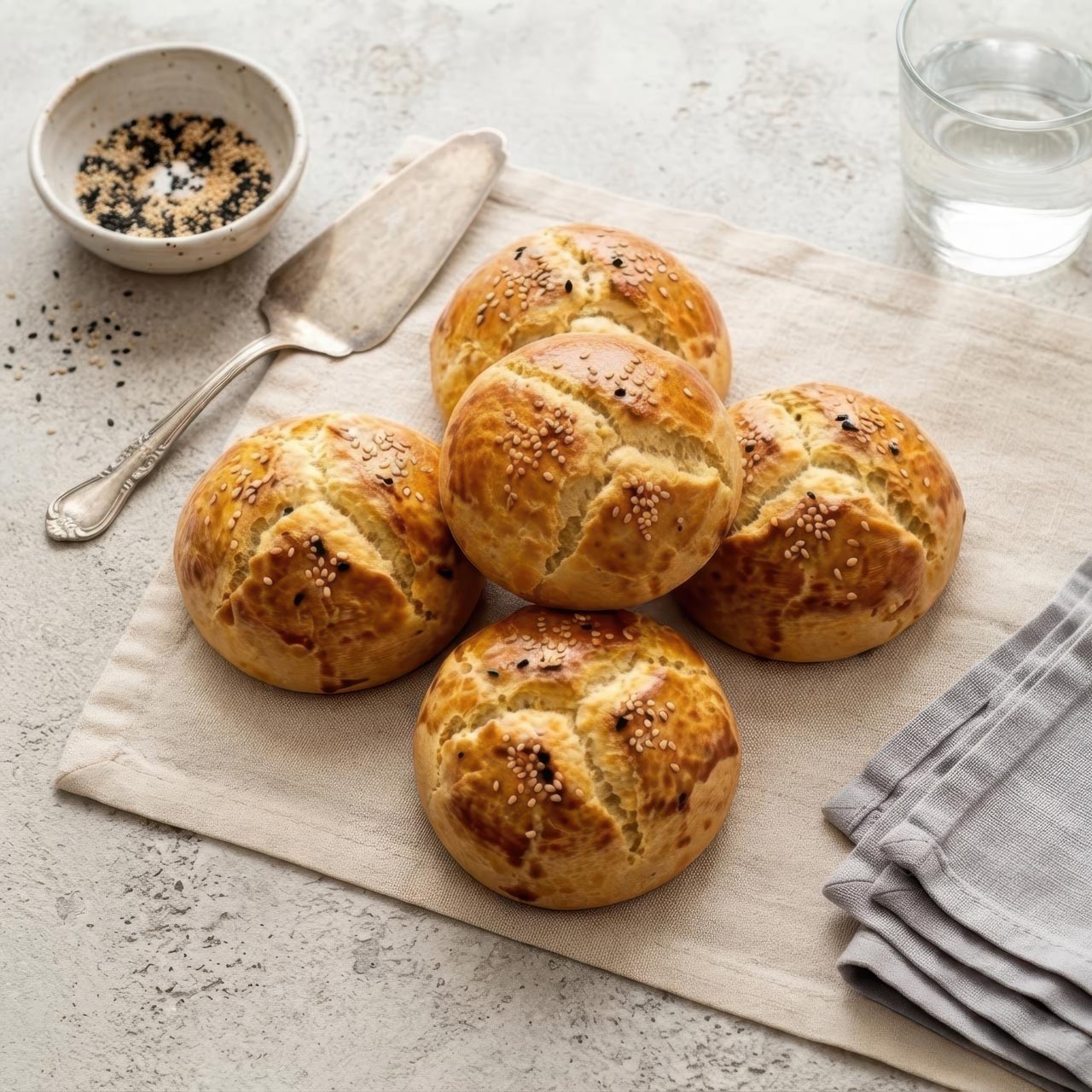
Chefhola Bakery Savory Filled Plain Pastry
$3.00
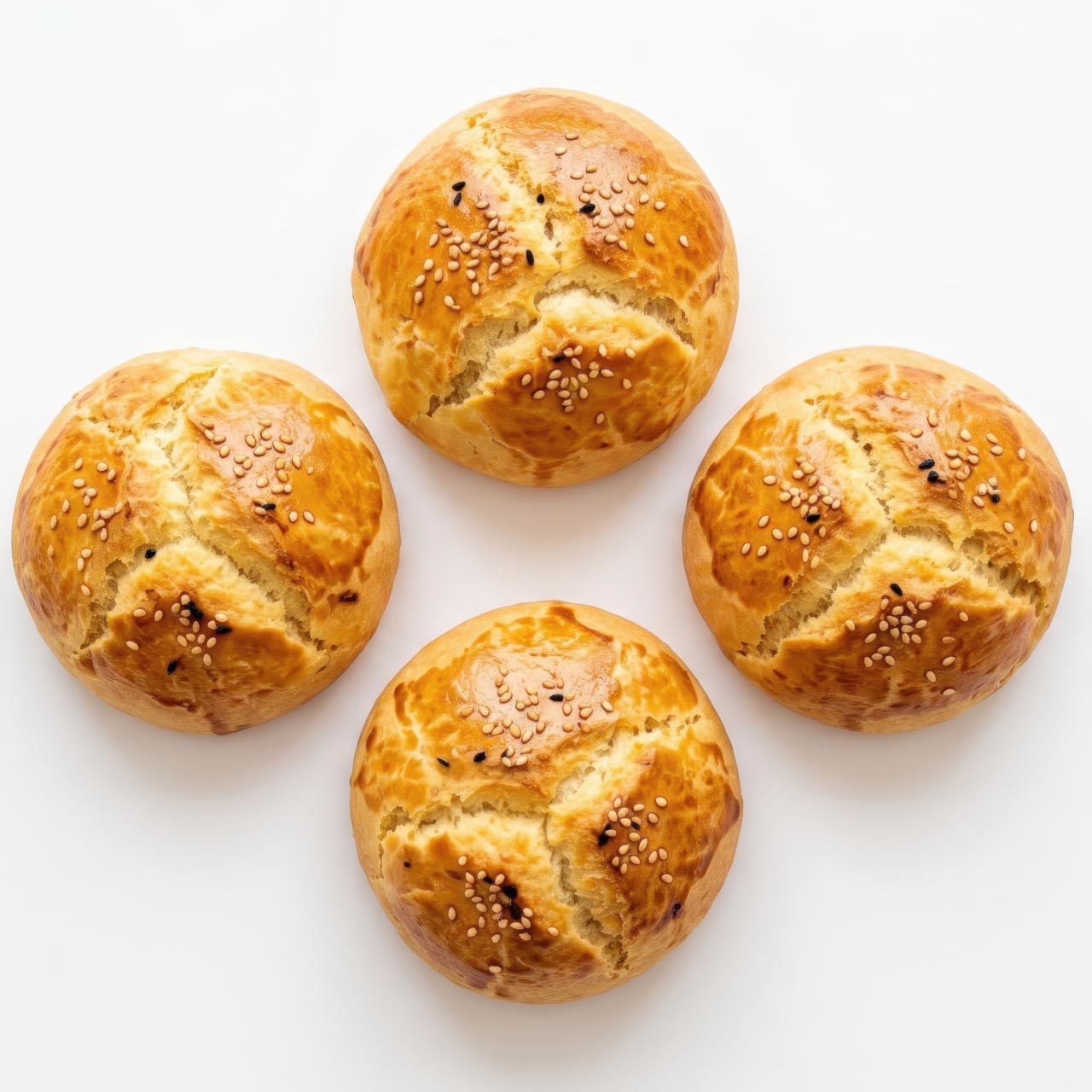
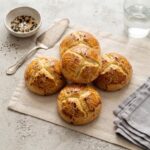
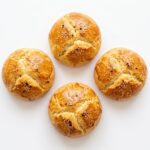
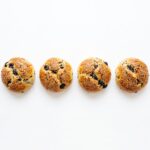
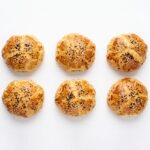
Plain poğaça is one of the most indispensable pastries of Turkish cuisine. With its soft texture, slightly salty nature, and unique aroma, it is the crown jewel of breakfasts, tea times, and school lunches. Being empty inside makes it a perfect base to consume with both sweet and savory accompaniments.
Plain Poğaça: Traditional Flavor and Practicality
Dish Summary
Plain poğaça is one of the most indispensable pastries of Turkish cuisine. With its soft texture, slightly salty nature, and unique aroma, it is the crown jewel of breakfasts, tea times, and school lunches. Being empty inside makes it a perfect base to consume with both sweet and savory accompaniments.
Historical Background
Poğaça has a long history in the Balkans and Anatolian geography. Its etymological root comes from the Hungarian word “pogácsa”. Evolving as part of the “çörek” (bun/pastry) culture in Ottoman cuisine, this flavor has over time become one of the strongest representatives of Turkish breakfast culture. The “plain” version is a traditional form that highlights the beauty of simplicity and the authentic taste of the dough.
Recipe and Ingredients
This recipe ensures a slightly browned exterior and a cotton-soft texture inside.
Ingredients List
For the dough:
- 1 cup warm milk
- 1 cup warm water
- 1 cup vegetable oil
- 1 packet dry yeast (10g)
- 2 tablespoons granulated sugar
- 1 teaspoon salt
- 2 eggs (one yolk separated for the top)
- 5-6 cups flour (add gradually and with control)
For the topping:
- 1 egg yolk
- Optional nigella seeds or sesame seeds
Preparation Process
1.Yeast Activation:Wait 5 minutes.
Mix the warm milk, water, sugar, and yeast in a bowl and let it sit for 5 minutes.
2.Mixing:
Add the vegetable oil, egg whites, and salt. Gradually add the flour until you get a soft dough that doesn’t stick to your hands.
3.Fermentation:45-60 minutes.
Cover the dough and let it rest in a warm environment for about 45-60 minutes, until it doubles in volume.
4.Shaping:
Tear off tangerine-sized pieces from the fermented dough and roll them into balls. Place them on a baking tray lined with parchment paper.
5.Tray Fermentation:15-20 minutes — critical for softness.
Let them rest on the tray for another 15-20 minutes.
6.Baking:180°C (350°F) for 20-25 minutes.
Brush the tops with egg yolk. Bake in a preheated oven until the tops are golden brown.
Recipe Tips
- Temperature: The milk and water must be warm for the yeast to activate; however, if they are too hot, they will kill the yeast.
- Softness: Do not knead your dough too stiffly. A dough that slightly sticks to the hands will yield softer results when baked.
- Pro Tip: If you cover the baked poğaças with a clean kitchen cloth right after taking them out of the oven, they will stay softer by trapping their own steam.
Presentation
Served with freshly brewed Turkish tea, alongside feta cheese, olives, and sliced tomatoes/cucumbers. You can also establish a sweet-salty balance by adding a little honey or jam on the side.
Nutritional Values (Per Portion – Approximate)
| Nutrient | Amount |
| Calories | 220 kcal |
| Carbohydrates | 32g |
| Protein | 5g |
| Fat | 8g |
Dish Category and Place in World Cuisine
Turkish cuisine / Pastries (Börek/Çörek category). Its equivalent in world cuisine shares a texture similar to a “brioche” or a savory “bun”.
Target Audience
Suitable for all age groups. It is especially ideal for those who need a quick breakfast, for children’s lunchboxes, and for tea time lovers.
Allergy Warnings
- Gluten: Not suitable for celiac patients as it contains wheat flour.
- Egg: Carries a risk for those with egg allergies.
- Lactose: Contains dairy (milk).
Why Should I Eat This?
A homemade poğaça contains no preservatives compared to store-bought products. It is a practical energy source that meets your carbohydrate needs and brings a sense of comfort to your kitchen with its fresh-out-of-the-oven aroma.
Useful Information and Sources
- Harvard T.H. Chan School of Public Health: Healthy Eating Plate – You can make your poğaça healthier by switching to whole wheat flour for your carbohydrate choices.
Popular Questions and Answers
- Why did my poğaça become hard? You might have added too much flour. Always ensure the dough remains soft.
- Can I use fresh yeast instead of dry yeast? Yes, you can use half a block (20-25g) of fresh yeast instead of 1 packet of dry yeast.
- Can I prepare the dough the night before? Yes, you can prepare the dough and let it rest in the refrigerator using the cold fermentation method.
- What should I do to prevent my poğaças from going stale? After they cool completely, store them in an airtight container or a sealed bag.
Zero Waste Note
Do not throw away leftover stale poğaças. You can dice them and bake or toast them in a pan to use as “croutons” on soups, or break them into small pieces and leave them outside for the birds.
Hashtags:
#PlainPogaca #TurkishCuisine #Homemade #BreakfastJoy #TraditionalFlavors #Pastry #PracticalRecipes
External Links
- Harvard T.H. Chan School of Public Health – Healthy Eating Plate
- Wikipedia – Pogača (Historical and Regional Context)
| Color | Beige, Black, Blue, Brown, Yellow |
|---|






Related products

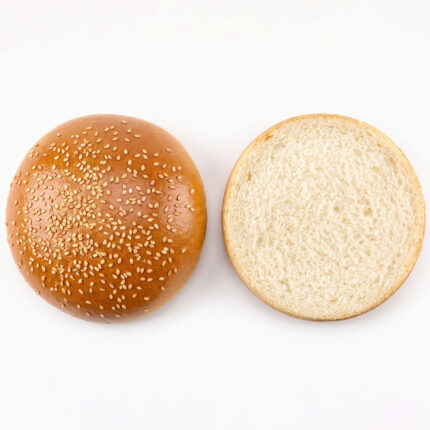
Chefhola Bakery Breads Hamburger Bread
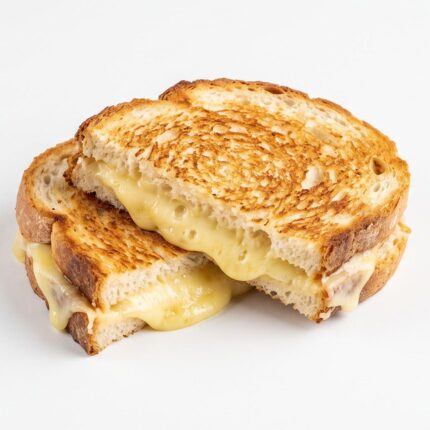
Chefhola Bakery Mini Sandwiches Cheddar Sandwich
Experience the ultimate comfort food with our signature Kasseri Cheese Sandwich. Merging warm, perfectly melted cheese with an irresistibly crispy bread texture, this global classic is ready in just minutes. It stands as an indispensable choice for a revitalizing breakfast or a lightning-fast lunch for those on the go.
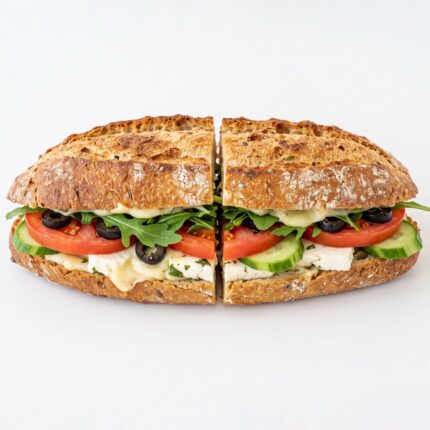
Chefhola Bakery Mini Sandwiches White Cheese Sandwich
The grilled cheese sandwich is a timeless culinary classic, universally celebrated as the perfect harmony of practicality and flavor. Crafted by layering premium cheese between two slices of artisanal bread, it serves as one of the most fundamental and satisfying forms of nutrition. Whether enjoyed as a cold bite on the go or toasted to golden perfection on a griddle, this versatile staple adapts effortlessly to any mealtime craving.
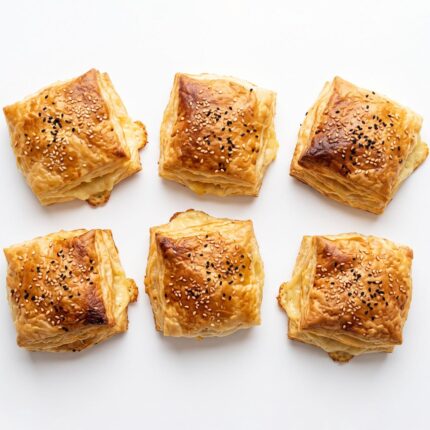
Chefhola Bakery Pastries Cheddar Shredded Pastry
Discover the irresistible crunch of Kaşarlı Talaş Böreği, a quintessential Turkish pastry designed to elevate your breakfast spread or afternoon tea. Featuring a meticulously crafted, flaky puff pastry exterior that gives way to a rich, molten core of premium kaşar (kasseri) cheese, this savory delight is the ultimate fusion of gourmet flavor and everyday convenience.
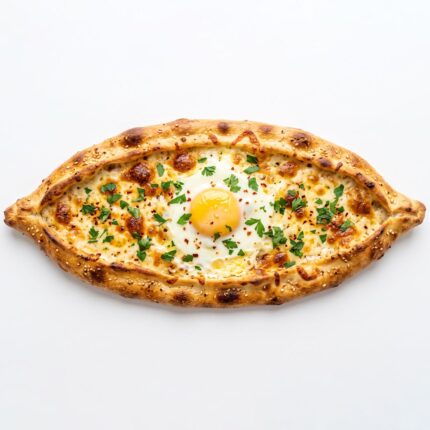
Chefhola Bakery Pides Egg Pide
Bring the authentic flavors of a traditional Turkish bakery straight to your kitchen table! Egg Pide is an indispensable, hearty, and irresistibly crispy pastry that serves as a show-stopping main meal or a decadent breakfast. This iconic dish features a masterfully thin, hand-rolled dough folded into a signature "boat" shape. It is generously stuffed with a rich cheese or savory minced meat filling, and crowned with a perfectly cooked, runny egg in the final moments of baking.
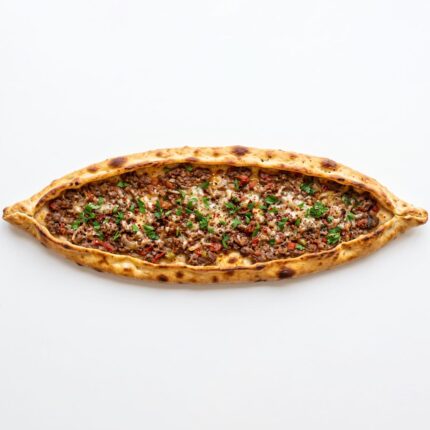
Chefhola Bakery Pides Minced Meat Pizza
Experience an indispensable Turkish culinary masterpiece right in your own kitchen. Our traditional Minced Meat Pide (Kıymalı Pide) features a vibrant, spiced mixture of minced meat and fresh vegetables, generously spread over a thinly rolled, artisan leavened dough. Baked at high temperatures to achieve a perfect golden crust, it delivers a rich, satisfying bite that honors authentic Turkish cuisine.
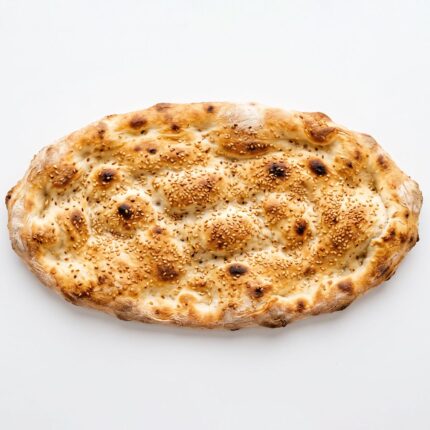
Chefhola Bakery Pides Plain Pide
Bring the authentic, artisanal taste of Türkiye directly into your home kitchen. Plain pide is a classic, high-temperature baked pastry that delivers the ultimate textural contrast: a delightfully crispy, golden-brown exterior giving way to a cloud-like, soft interior. Crowned with aromatic sesame and nigella seeds, this premium flatbread is an indispensable, mouth-watering companion to any meal.
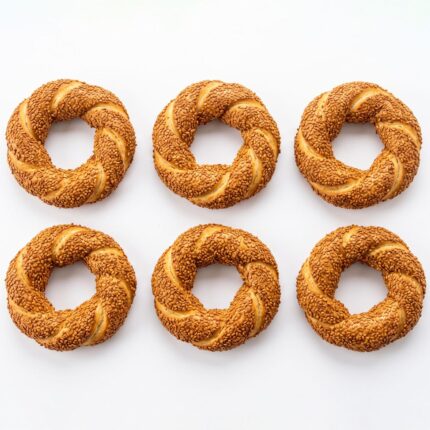
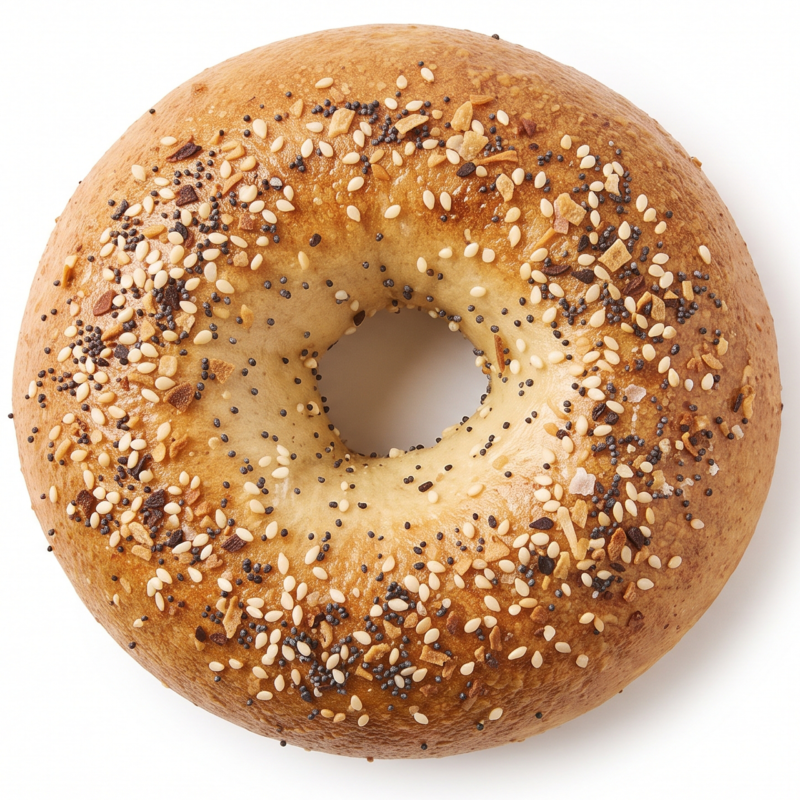
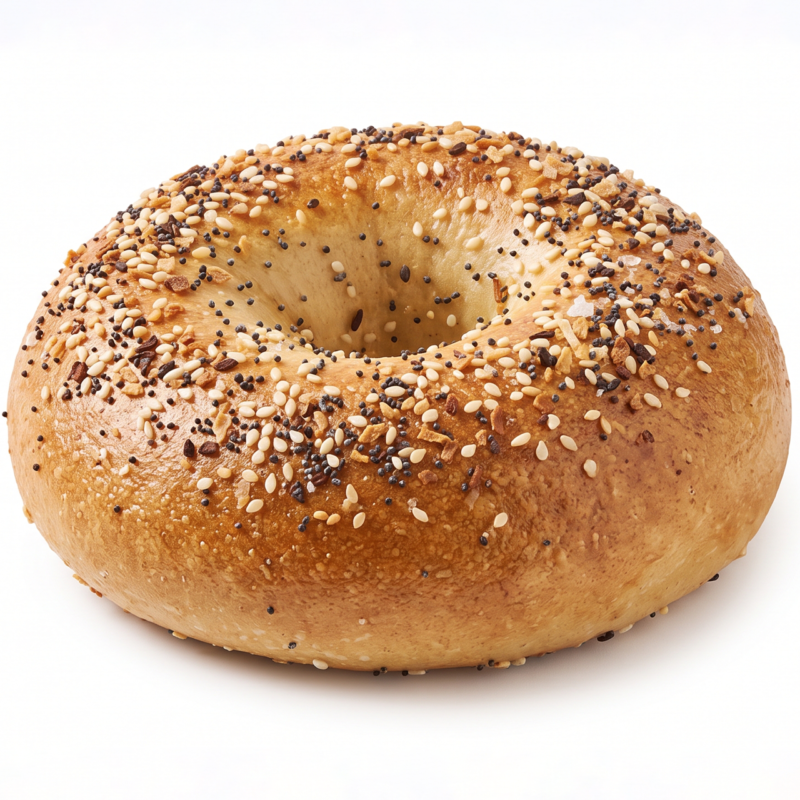
Chefhola Bakery Small Bagel Festival Bagel
Bring the authentic taste of a historic bakery directly to your kitchen. Known for its melt-in-your-mouth crumbly texture and the signature aromatic touch of mahleb, this traditional Turkish treat is an indispensable companion for tea time. Whether you are baking for a special occasion or simply elevating your daily tea ritual, this premium recipe helps you recreate a cherished culinary masterpiece at home.
Reviews
There are no reviews yet.