

Chefhola Mediterranean Rices Tavern Classic Rice
$429.00
Consequat a scelerisque suspendisse vel et eget eu vitae adipiscing nibh scelerisque semper cum adipiscing facilisis adipiscing est accumsan lorem vestibulum. Aliquet mus a aptent ullam corper metus accumsan. Habitasse a purus nec ipsum a urna ac ullamcorper varius metus blandit posuere.
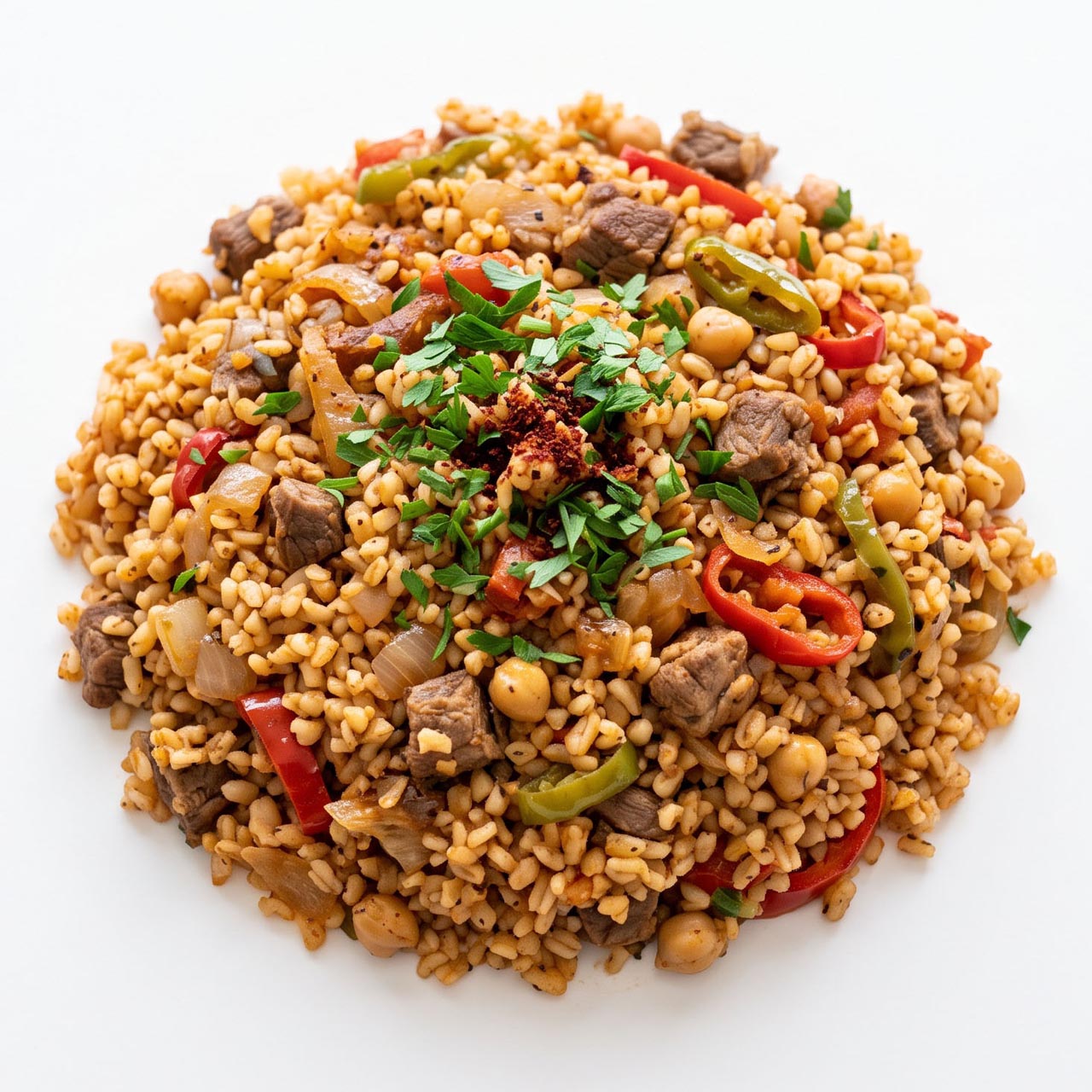
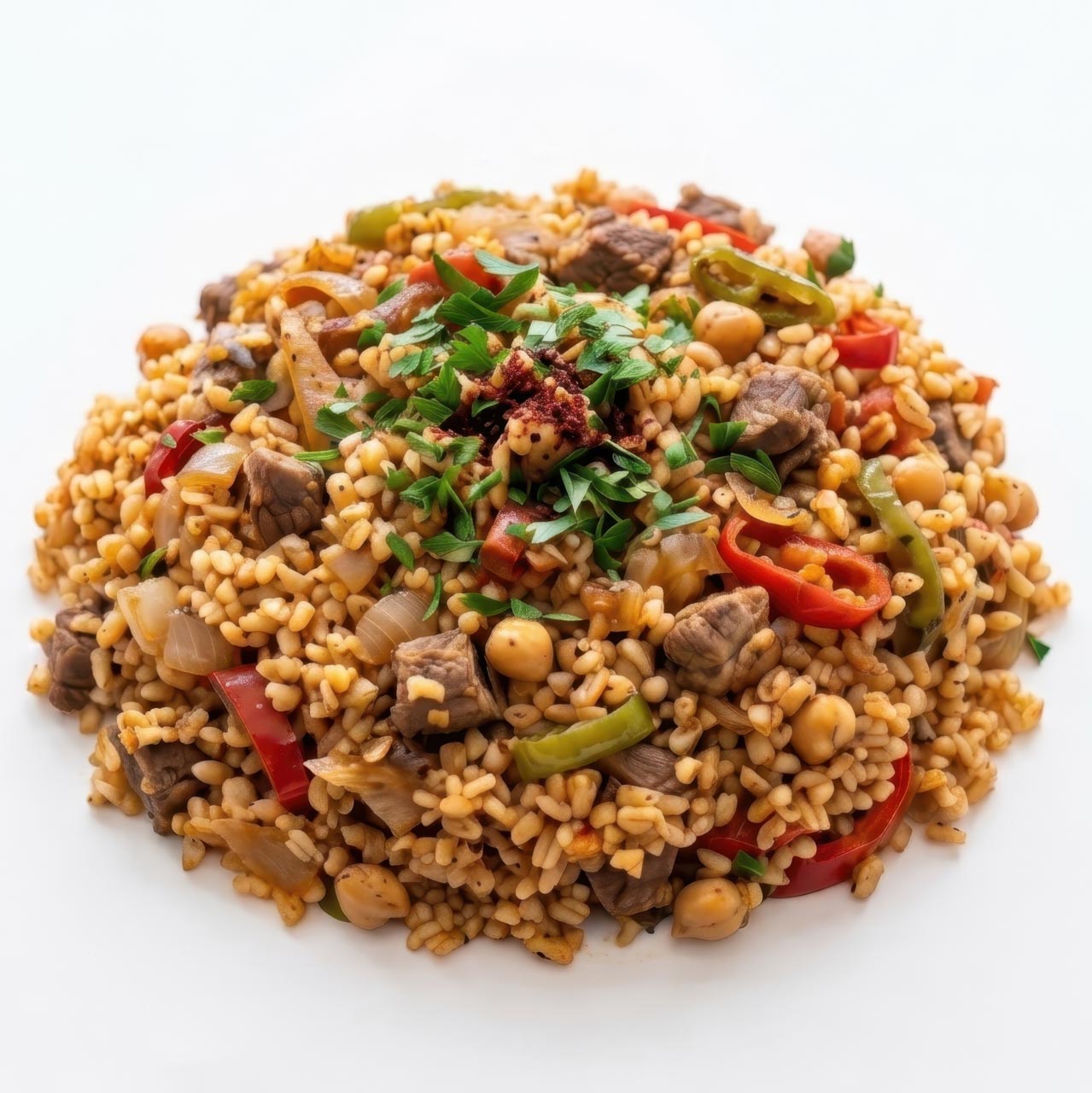
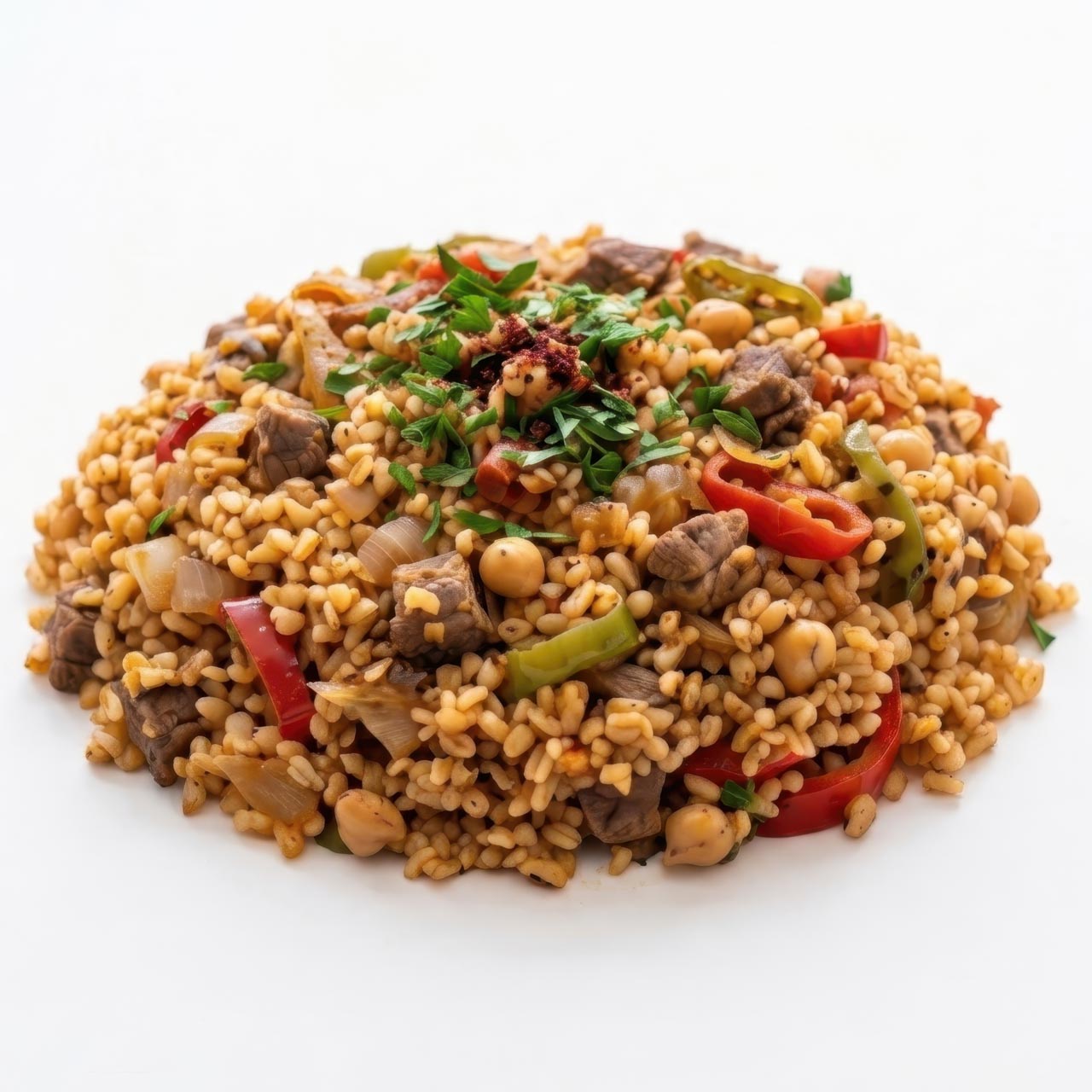
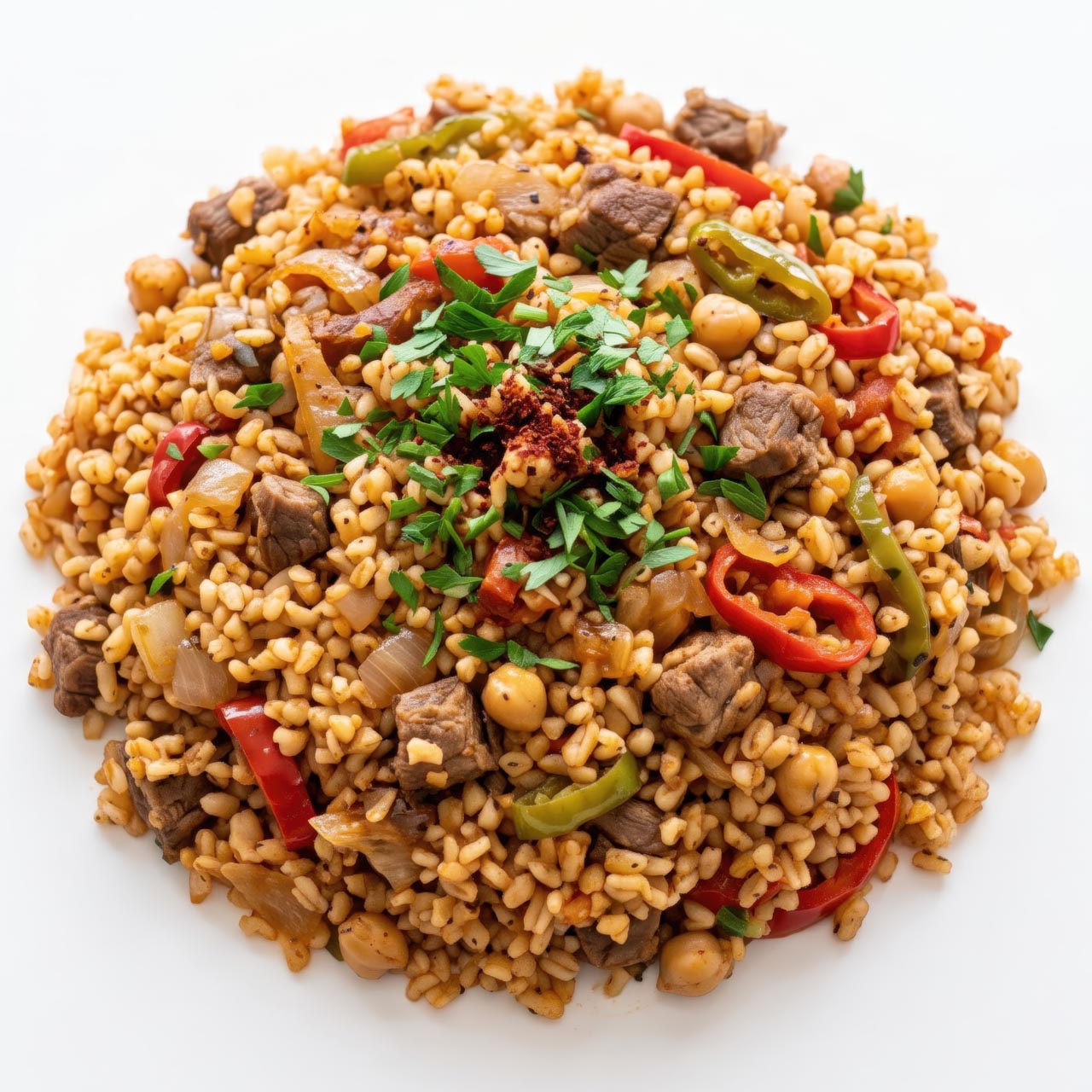
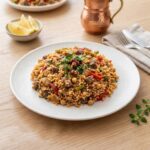
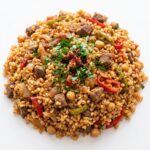
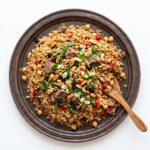
Meyhane Pilavı (Tavern-Style Bulgur Pilaf): A Rich and Abundant Anatolian Classic
Summary of the Dish
Unlike plain rice pilafs, Meyhane Pilavı is a complete feast, packed with the intense flavors of tomatoes, peppers, and onions. Colorful, nutritious, and highly aromatic, this dish serves perfectly as a satisfying main course on its own or as an excellent accompaniment to meat dishes.
Historical Background
The name “Meyhane” (tavern) comes from the fact that this dish was frequently served in traditional neighborhood taverns alongside meat or as part of meze spreads. Its origins lie in the Anatolian “rural kitchen” tradition; it was created to avoid waste by combining bulgur with leftover vegetables from the harvest or the kitchen. It is one of the most delicious symbols of the Anatolian culture of “not wasting what you have” and “bountiful tables.”
Recipe and Ingredients
The star of this recipe is “başbaşı” or “pilavlık” (coarse) bulgur. The earthy taste of the bulgur combines with the acidity of the tomatoes and the aroma of the peppers to create a unique texture.
Ingredient List (Serves 4-6)
- Main: 2 cups coarse bulgur
- Vegetables: 3 medium tomatoes (diced), 2 green peppers (finely chopped), 1 onion (diced)
- Aromatics: 2 cloves garlic, 1 tablespoon pepper paste (salça)
- Fats: 3 tablespoons olive oil + 1 tablespoon butter
- Liquid: 3.5 cups hot water or broth
- Spices: 1 teaspoon salt, 1 teaspoon red pepper flakes, 1/2 teaspoon black pepper, 1 teaspoon dried mint
Preparation Process
- Sautéing: In a wide pan, melt the butter in the olive oil. Sauté the onions until translucent, then add the peppers and cook further.
- The Base: Add the pepper paste and cook until fragrant. Add the diced tomatoes and minced garlic, cooking until the tomatoes release their juices and soften.
- Bulgur: Add the rinsed and drained bulgur, sautéing for 2–3 minutes until it integrates with the vegetables.
- Cooking: Add the hot water (or broth) and spices. Cover the pot and cook over low heat until all the water is absorbed and small “eye-like” holes appear on the surface.
- Steaming: Turn off the heat. Place a paper towel over the pot, cover with the lid, and let it rest for at least 20 minutes.
Recipe Tips
- Flavor Booster: For a deeper aroma, you can add finely chopped pastirma (cured beef) or dried meat during the sautéing stage.
- Texture: Bulgur absorbs water quickly; if you prefer a firmer texture, reduce the amount of water by half a cup.
- Smoky Aroma: If you have dried peppers, adding one whole while cooking will give the dish a wonderful smoky flavor.
Presentation
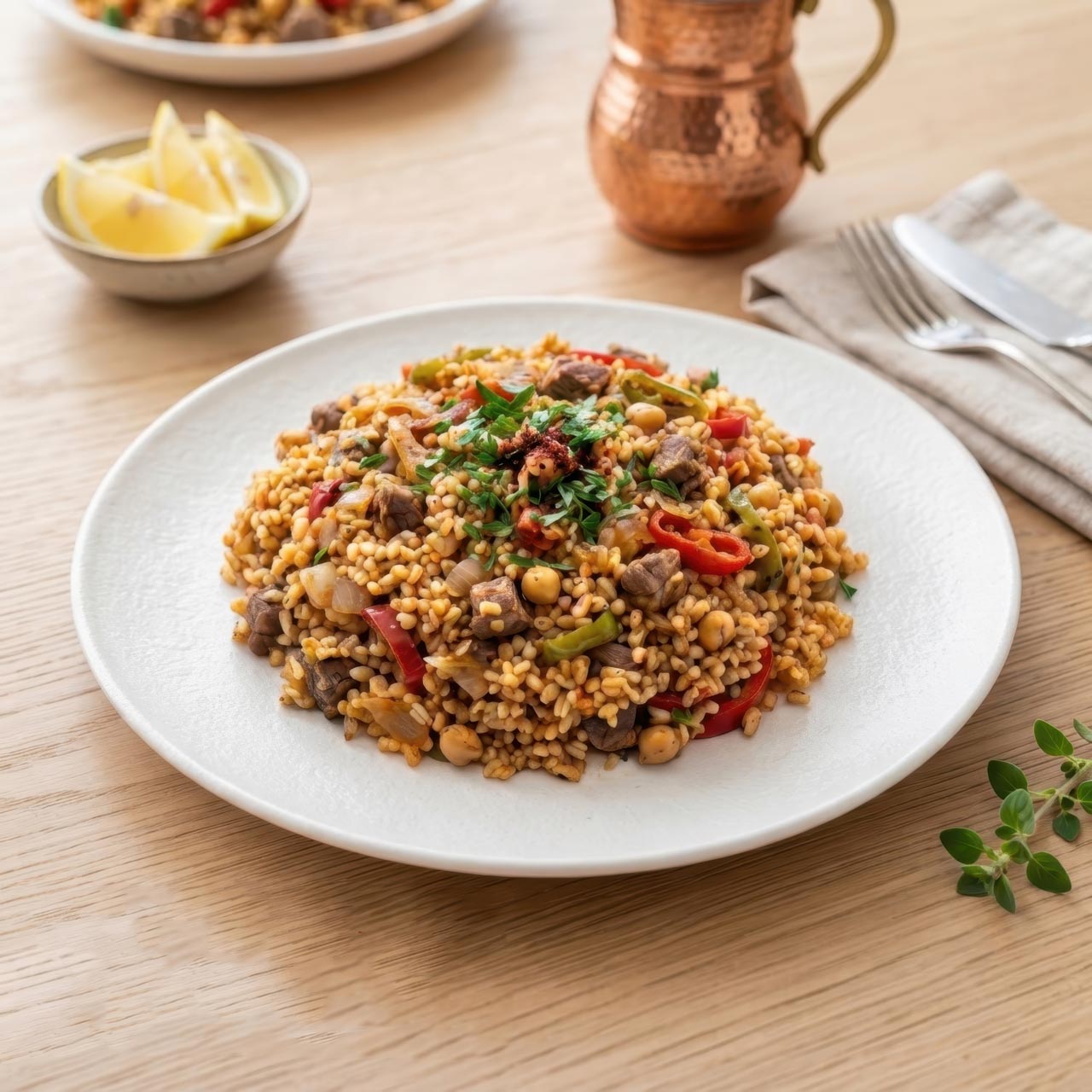
Serve on a large platter, garnished with fresh parsley or mint. It should be served with a side of thick, homemade cacık (yogurt and cucumber dip).
Nutritional Values (Per Serving – Approximate)
- Calories: 340 kcal
- Carbohydrates: 58g
- Protein: 10g
- Fat: 9g
- Fiber: 8g
Category and Place in World Cuisine
- Category: Main Course / Side Dish (Pilaf)
- World Cuisine: Turkish / Mesopotamian Cuisine
Who is this for?
- Bulgur lovers.
- Vegetarians/Vegans.
- Those looking for a traditional, filling, and budget-friendly meal.
Allergy Warnings
- Gluten: Since bulgur is a wheat product, it contains high levels of gluten.
Why should I eat this dish?
Bulgur has a much lower glycemic index than white rice and is high in fiber. It balances blood sugar and keeps you full for a long time; it is ideal for those who aim for healthy and balanced nutrition.
Frequently Asked Questions
- Q: Can it be made with rice?
- A: Traditionally it is made with bulgur; when made with rice, it turns into “Domatesli Pilav” (Tomato Rice).
- Q: Can other vegetables be added?
- A: Yes, regional variations including diced eggplant or zucchini in the summer are quite common.
- Q: Is dried mint necessary?
- A: It is the most important spice that completes the flavor; it is highly recommended.
- Q: How can leftovers be used?
- A: It can be added to a soup pot the next day to make a wonderful “vegetable soup with bulgur.”
Zero Waste Note
Use the last pepper or half a tomato left in the fridge for this recipe. Save the stems and peels in the freezer to make vegetable stock later.
#Hashtags
#MeyhanePilavi #BulgurPilaf #TraditionalFlavors #TurkishCuisine #VegetarianRecipes #HealthyEating #ZeroWasteKitchen #AnatolianCuisine
| Color | Beige, Black, Blue, Brown, Yellow |
|---|

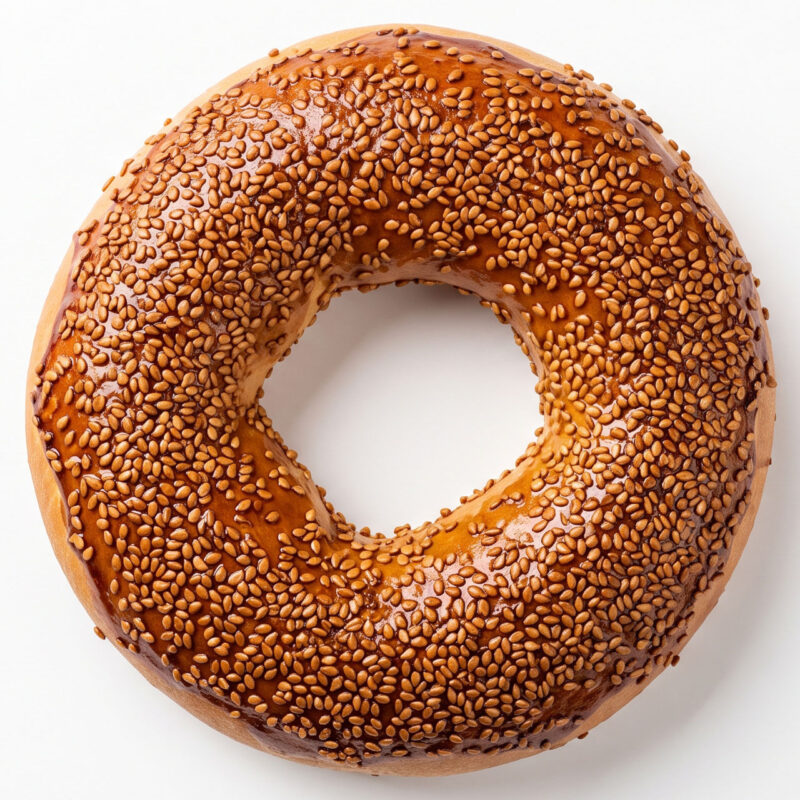





Related products
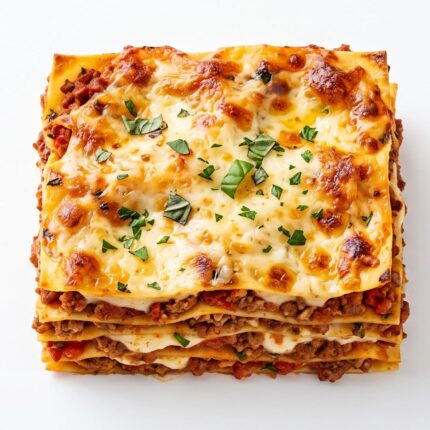
Chefhola Mediterranean Filled Pasta Lasagna
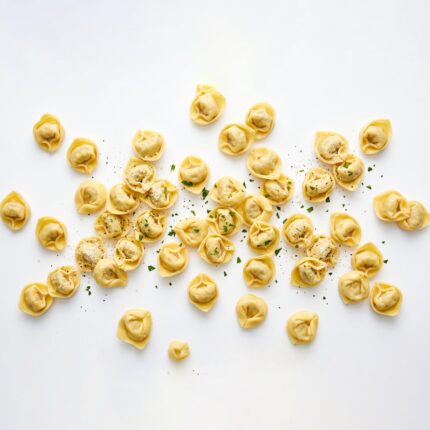
Chefhola Mediterranean Filled Pasta Tortellini
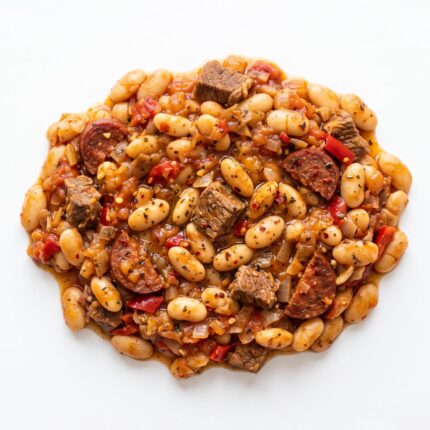
Chefhola Mediterranean Legumes Dried Beans
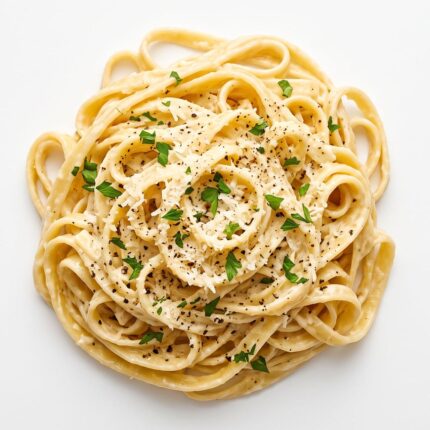
Chefhola Mediterranean Long Pasta Fettuccine
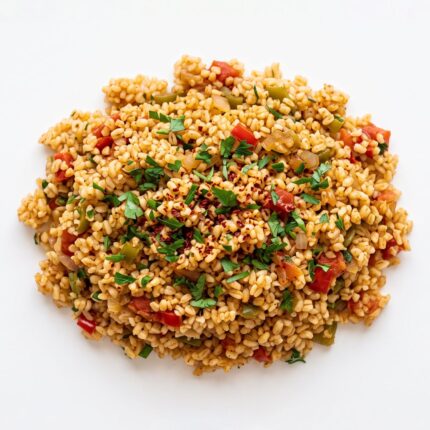
Chefhola Mediterranean Rices Bulgur Rice
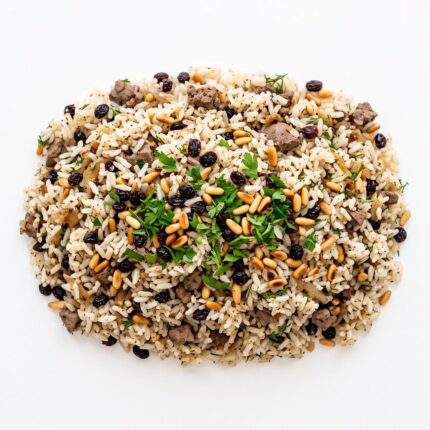
Chefhola Mediterranean Rices Inner Rice
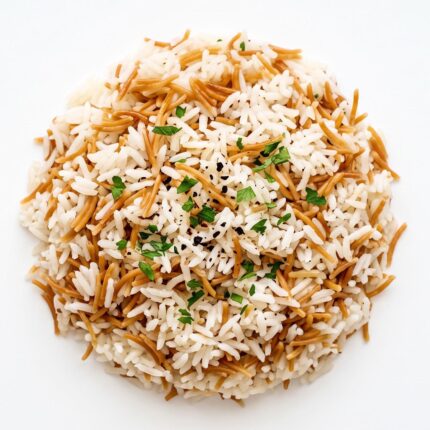
Chefhola Mediterranean Rices Vermicelli Rice
Reviews
There are no reviews yet.